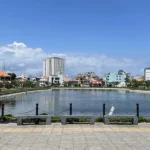
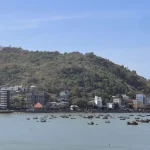
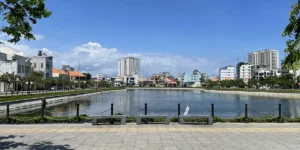
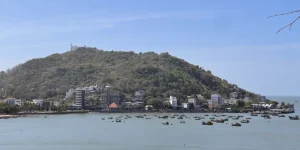
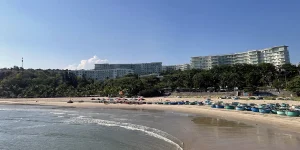
Mui Ne sits on the coast of southern Vietnam in what was formerly Binh Thuan Province, now part of the merged Lam Dong Province. The town lies roughly 125 miles (200 kilometers) east of Ho Chi Minh City. For most visitors arriving from Saigon by bus, train, or car, it serves as one of the closest proper beach destination. However, the beaches in Mui Ne work differently from what travelers expect of a Southeast Asian coastal resort town.
Wind, tides, seawalls, and hotel fences all shape the experience, and this guide covers what the beach strip actually looks like on the ground.
This guide to Mui Ne beaches covers seasonal swimming conditions, beach access workarounds, safety, and details that resort marketing leaves out.
Based on multiple visits over the past decade, last updated with ground data in April 2026.
📍Map links open directly in Google Maps.
For a broader overview of the area, see our full guide to things to do in Mui Ne.
Table of Contents
Understanding the Geography: Mui Ne vs. Phan Thiet vs. Ham Tien
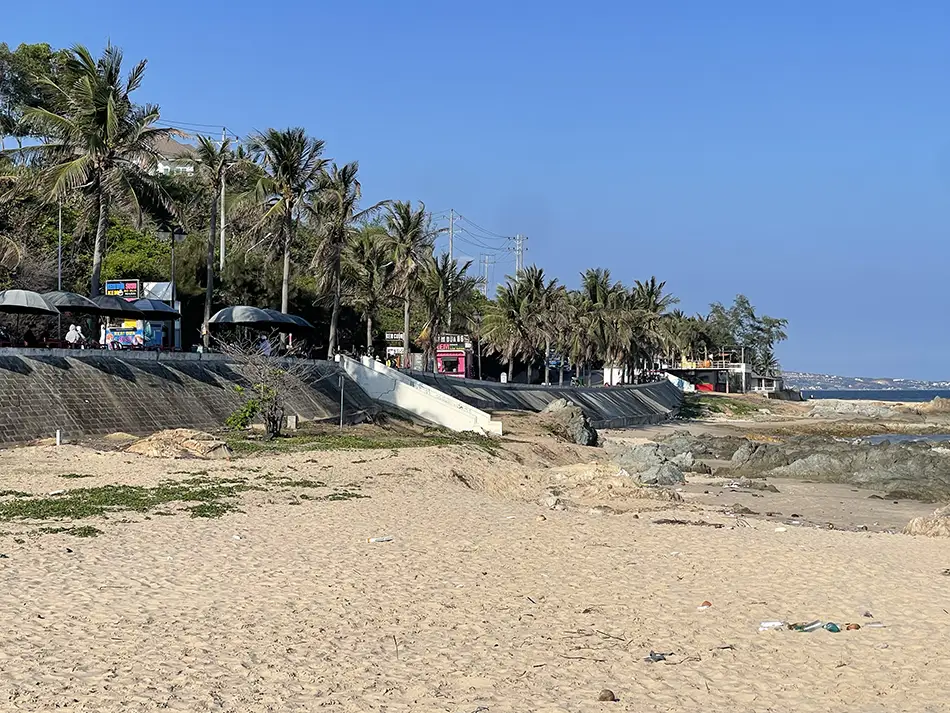
A common source of confusion deserves clearing up first. The stretch of coastline that tourists, booking platforms, and travel content call “Mui Ne Beach” is technically Ham Tien Beach, a resort strip running along Nguyen Dinh Chieu Street.
The actual Mui Ne is a fishing town about 4 miles (7 kilometers) up the coast to the northeast, at the far end of the bay, where the round coracle boats and Mui Ne Fish Market sit.
Phan Thiet is the nearest city and the administrative center for the area, which is why many hotels and booking sites list their address as “Phan Thiet” rather than “Mui Ne.”
Since the travel industry has long adopted “Mui Ne Beach” for the Ham Tien strip, this article does the same.
What to Expect on the Main Beach Strip
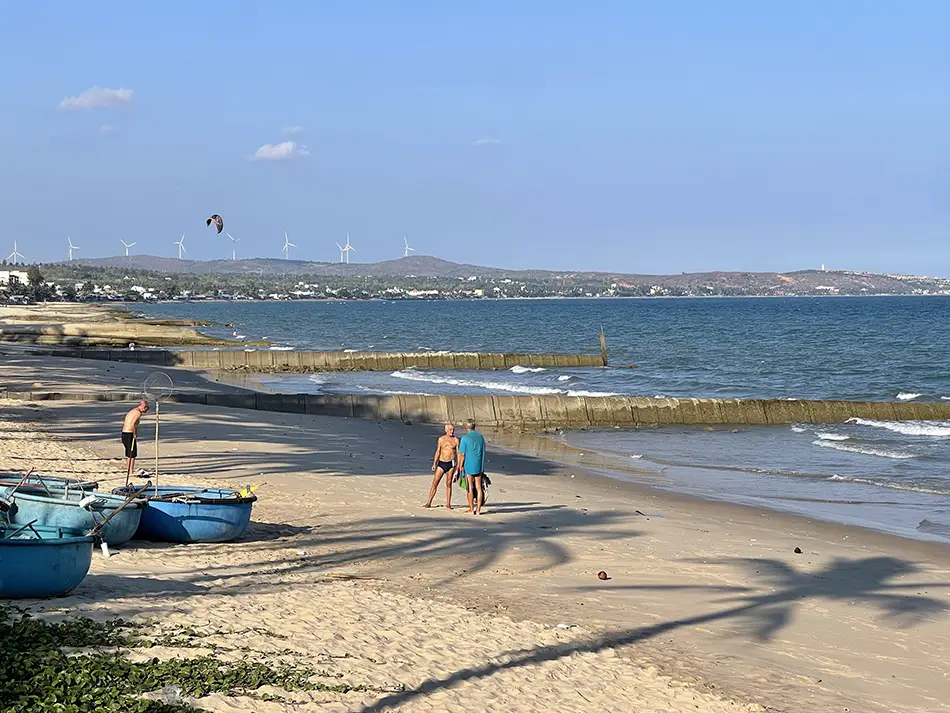
On a map, the Mui Ne coast reads as one continuous shoreline. Walking it tells a different story. Roughly half of the beachfront is interrupted by seawalls, concrete foundations, or narrow gaps between hotels where the sand disappears at high tide.
Some seafront properties sit on concrete platforms with limited or no direct access to the water. The width of any given section changes dramatically with the tide: at low tide, wide flats of wet sand open up nearly everywhere, while at high tide some hotel frontages lose their beach entirely, leaving guests on sun decks above concrete.
The sand on Mui Ne beaches is mostly fine and golden, not rocky. The water near the shore, however, is consistently murky — noticeably so compared to destinations like Phu Quoc or the offshore islands near Nha Trang. Conditions improve somewhat during the calmer months from April through October, but clear turquoise water is not something Mui Ne’s main beach delivers.
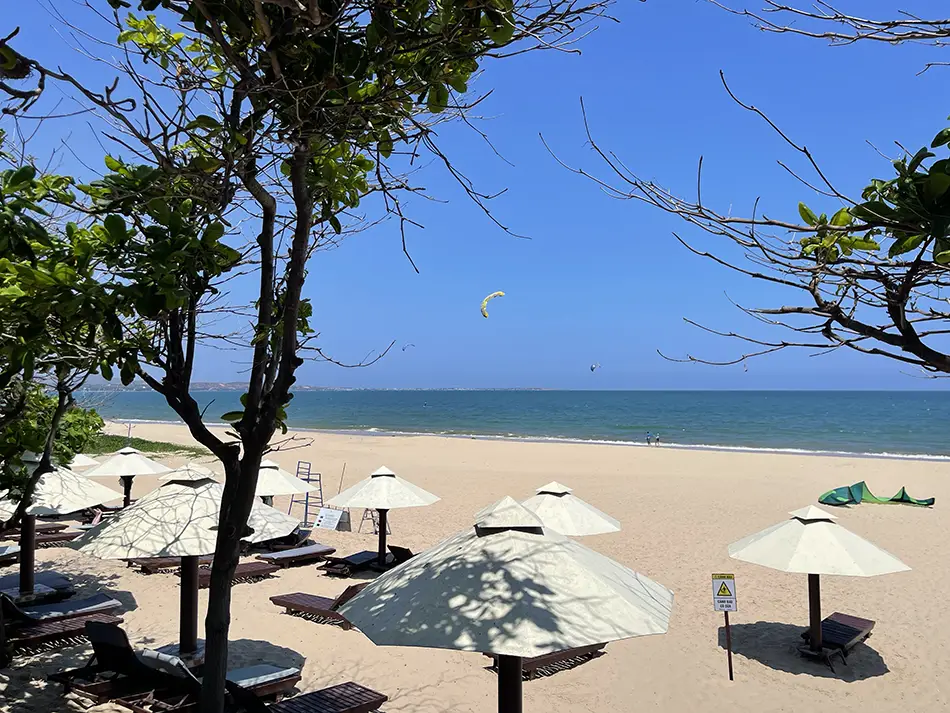
Several resorts maintain notably wide beach sections that hold sand even at high tide. Among them: Romana Resort, White Sand Resort, Phu Hai Beach Resort, Lotus Mui Ne, The Cliff, Ocean Vista and Sea Links, Alezboo, The Clay, Sea Lion, Anantara, Seahorse, The Anam, Cham Villas, Four Oceans, Terracotta, Sailing Club, Ocean Star, and Mana Beach Resort. Checking recent guest photos for your specific hotel before booking saves disappointment.
Personal Opinion:
The difference between a resort with a stable beach and one perched above a seawall is the difference between a beach holiday and a pool holiday. This single factor matters more than star rating or price when choosing where to stay.
On the Other Side of the Cape: The East Coast
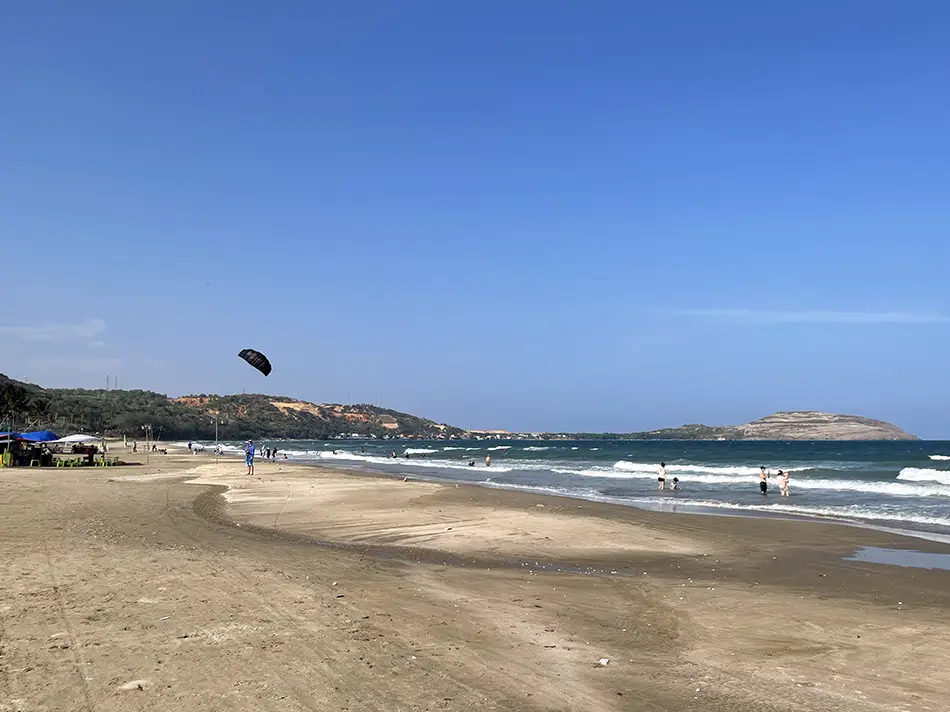
The eastern coastline stretches from the fishing village past the red sand dunes toward Hon Rom. This is where the actual Mui Ne beach is (at least according to Google Maps).
Unlike the main strip (Ham Tien Beach), there are no seawalls here, so the beach runs as one unbroken line — the longest continuous beachfront in the area. The trade-off: the sand is narrower, and hotels sit shoulder to shoulder just as they do in Ham Tien. Many of them are abandoned and crumbling, and the beaches in front sit unmaintained, with trash accumulating where no operating property takes responsibility.
Public access is limited to one small 📍sand road, though visitors can also walk through the 📍Malibu Resort property for a small fee of under a dollar — mentioning a kite school as your destination helps.
When to Visit: Seasons, Swimming, and What to Expect
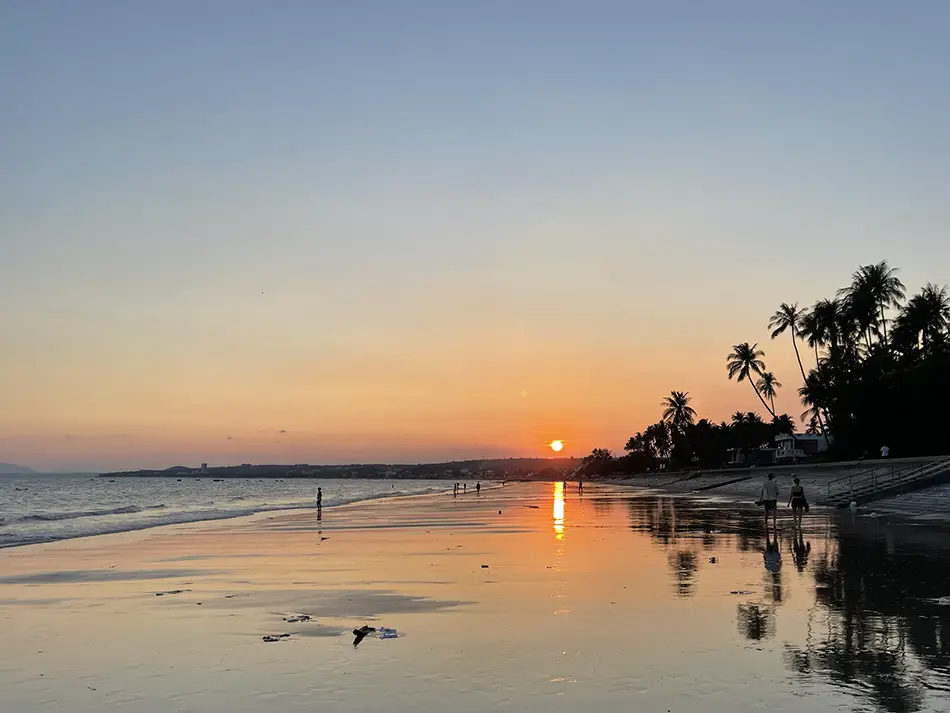
Choosing the best time to visit depends entirely on what you plan to do, because the two main seasons offer almost opposite experiences.
Wind Season (November to March)
This period overlaps with what hotels market as “high season” and the dry season, so many visitors arrive expecting ideal beach weather. The reality is different. Strong winds generate large, chaotic shore-break waves that crash close to the sand. On windy afternoons, airborne sand stings exposed skin. Casual swimming becomes unpleasant and potentially dangerous for inexperienced swimmers or children.
Mornings are the exception. From sunrise until roughly 10:00 or 11:00 AM, waves tend to be smaller and wind lighter, creating a brief window for swimming before conditions deteriorate.
This is also the peak season for kitesurfing, with the strongest and most consistent winds drawing riders from around the world.
Warm and Wet Season (April to October)
The winds drop and the sea flattens, making this the better window for general beach time. For anyone asking which is the best beach in Mui Ne for swimming, the answer during these months is straightforward: any resort-fronted section with a wide sand strip works well.
From April through May, daytime temperatures climb to around 90°F (32–33°C) with high humidity. From June onward, the wet season brings occasional storms and afternoon downpours, though rain in Mui Ne tends to be short-lived.
Ground Observations:
Arriving in December or January expecting a calm beach holiday leads to frustration. Those months work for kitesurfing and morning beach walks, but the rest of the day pushes most non-surfers toward hotel pools.
Public Beaches in Mui Ne and How to Access the Sand
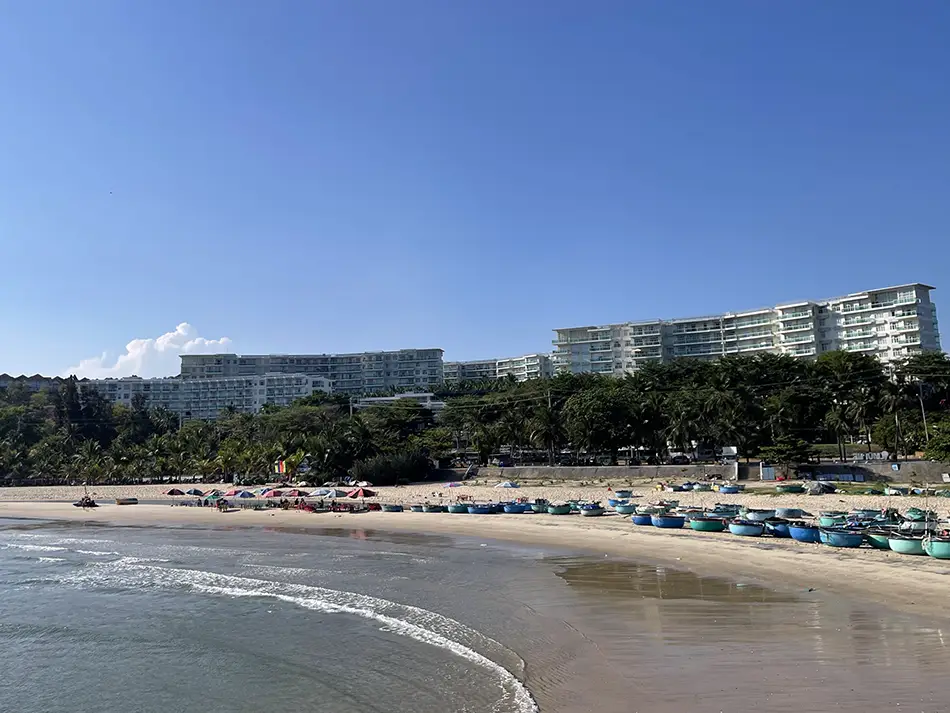
Hotels in Mui Ne line the shore shoulder to shoulder, and the official public access roads sit at the outskirts of the main strip, not conveniently spaced along it. If your accommodation has no direct beach frontage, reaching the water requires some planning.
Three Main Public Entry Points
📍Sea Links Beach. The most established public beach, maintained by the Ocean Vista Sea Links Resort complex. A seawall here partially breaks the waves, creating a small area of calmer water that functions year-round. Paid parking and sunbed rentals are available.
The downside: the beach is shared with fishermen, and their coracle boats and gear mean the surrounding area can be messy.
📍Near Anantara Resort. Anantara, the first five-star resort on this coast, has a public access road running alongside the property down to the sand. This section holds good width even at varying tides and is generally well maintained, though plastic debris appears at the waterline during low tide.
📍Near Alezboo Resort. Another vehicle-accessible entry point with a wide, reliable beach section. One of the more dependable public spots on the central strip.
Other Ways
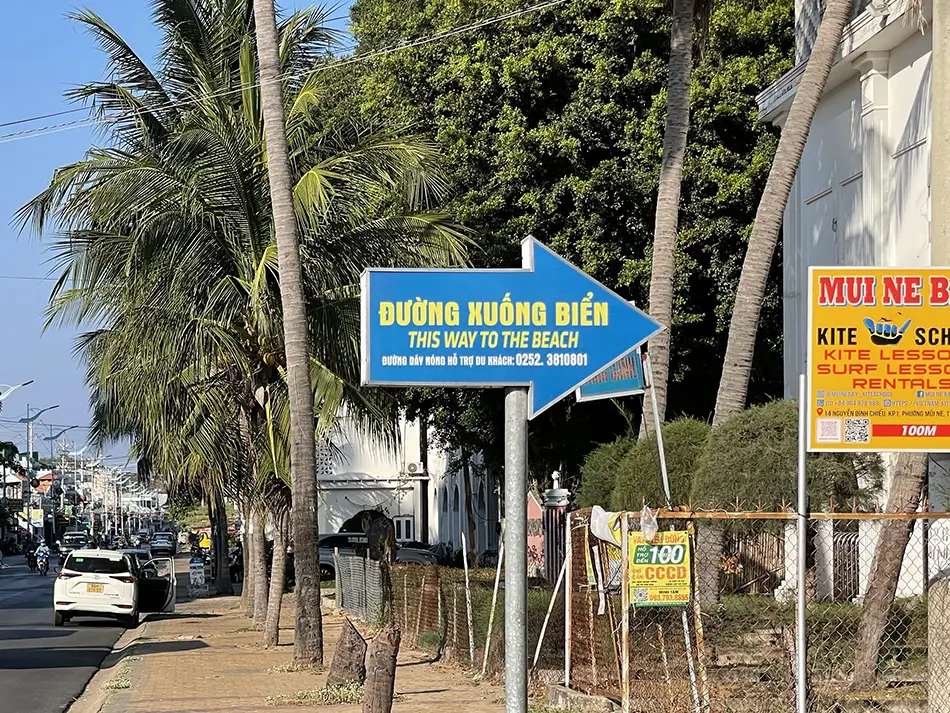
Resort day passes. Many beachfront hotels sell day-use packages at around 300,000–500,000 VND ($11.4–19.0/€9.7–16.2). These typically include pool access, a sunbed, and use of the resort beach.
Walk through a hotel. Walking through confidently works much of the time, though security occasionally redirects non-guests.
Use a kite school as your entry point. Every kite school rents space from a beachfront hotel. Identify one near you on a maps, note its name, and walk into the host hotel stating you are heading to the school. This provides a legitimate reason to pass through.
Personal opinion:
Blocking off kilometers of public coastline behind private hotel fences is a genuine problem in Mui Ne. The workarounds above are common practice, born out of necessity rather than mischief.
Beach Activities and Water Sports in Mui Ne
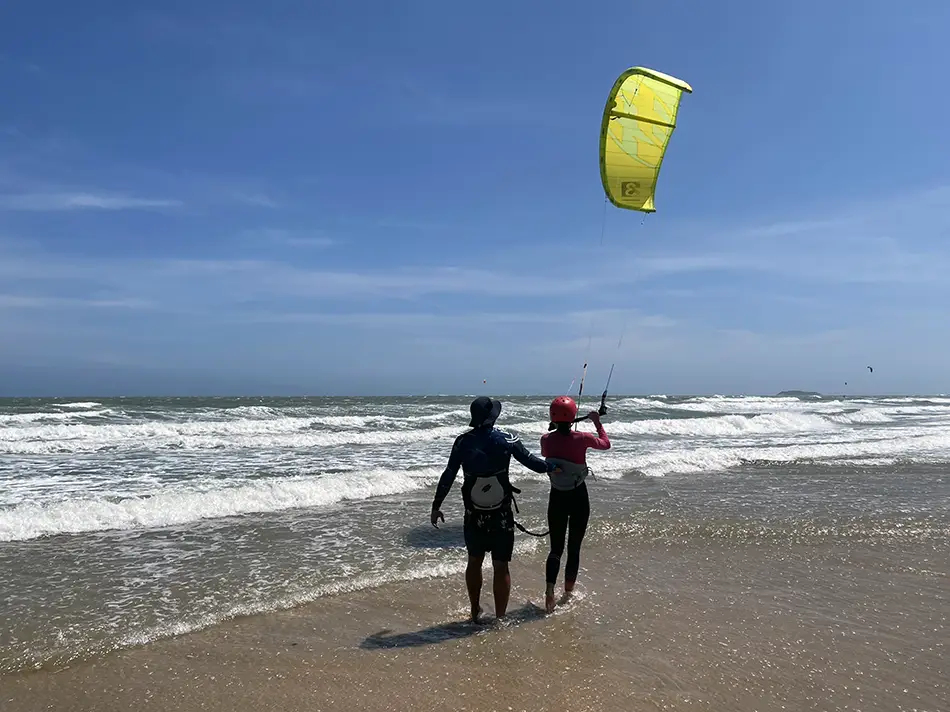
Kitesurfing, Windsurfing, and Wing Foiling
Mui Ne Beach is the main kitesurfing area, with a sandy bottom free of rocks and reefs and over a dozen schools along the strip. For beginners, expect at least five hours of kitesurfing lessons before the basics click, and around ten hours with an instructor before riding independently downwind. Lessons run approximately 1,300,000–1,700,000 VND ($50–65/€40–55) per hour. The time commitment makes these sports better suited to longer stays or dedicated enthusiasts than to a short holiday. Equipment rental for experienced riders is available at every school.
Surfing
The most accessible water sport for first-time visitors. A couple of hours with an instructor is enough to catch small waves. Lessons cost 650,000–1,050,000 VND ($25–40/€20–35) per hour including a board and safety equipment.
Parasailing, Jet Ski, and Other Powered Water Sports
As of 2026, 📍Pineapple Mũi Né is the main spot offering non-wind-powered activities. Located steps from the beach it offers parasailing, flyboarding, jet ski rentals, banana boat rides, and stand-up paddleboard (SUP) tours. The venue doubles as a beach bar with DJs, a food menu, and one of the best sunset viewpoints in Mui Ne.
How Clean Are Mui Ne Beaches?
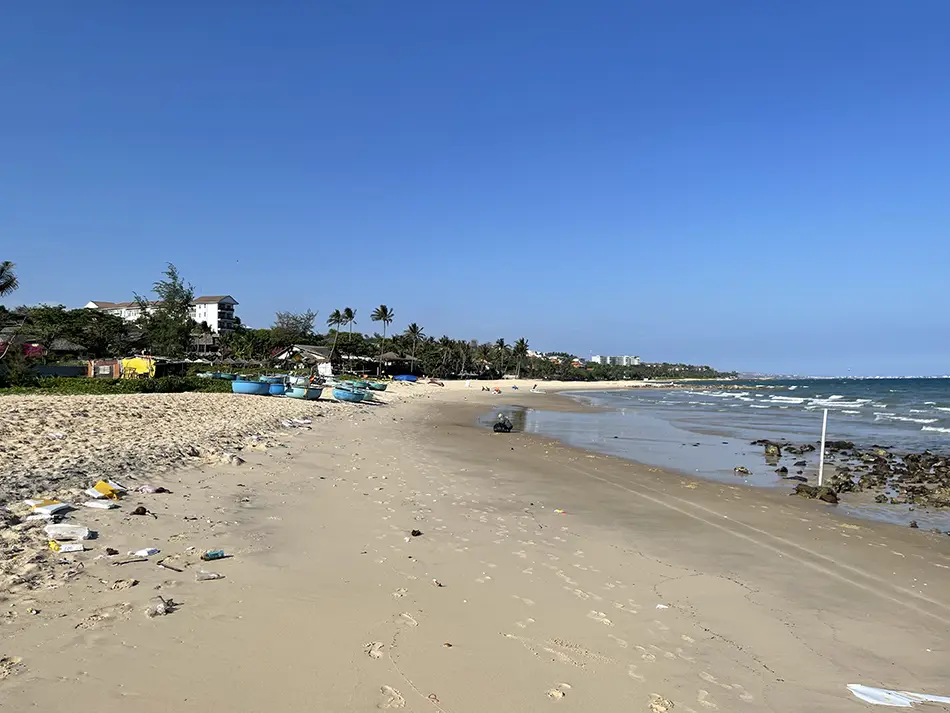
Most beaches belonging to operating resorts are cleaned and raked daily, which keeps them free of litter and also reduces sandfly populations (more on sandflies below).
However, responsibility ends precisely at the property boundary. If your resort neighbors an abandoned hotel (several exist along the strip), or a restaurant without beach maintenance, the contrast is stark. Plastic waste, tangled fishing nets, and general debris accumulate on unmanaged sections. This matters especially if your idea of a beach day involves walking along the shore rather than staying within your hotel’s footprint.
Mui Ne Beach Safety
Lifeguards and Rescue Equipment
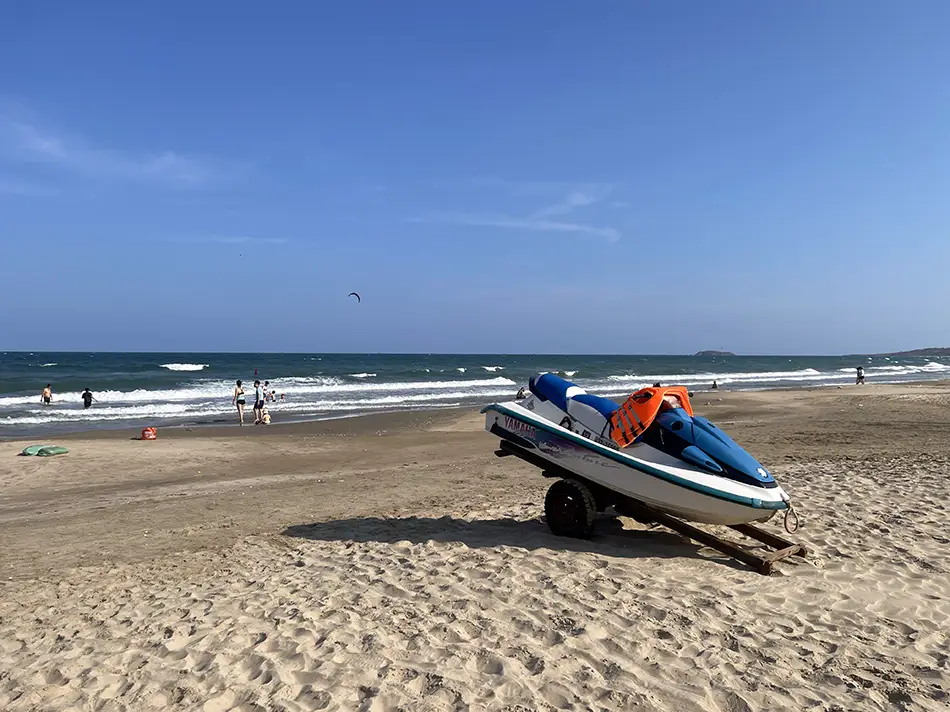
Trained lifeguards are rare on Mui Ne beaches. Some resorts station a security guard at the waterline whose role amounts to blowing a whistle when someone wades too deep. Rescue jet skis appear at some properties, but most seem non-operational on closer inspection.
During the wind season, the combination of strong shore break, undertow, and absent professional rescue coverage makes swimming risky for anyone who is not a confident open-water swimmer. Children should not swim unattended, and even supervised child swimming is inadvisable from November through March.
Staying Safe Around Kitesurfers
Kitesurfing equipment shares beach space with swimmers and sunbathers, so a basic understanding of what is happening around you reduces risk.
Parked kites sit on the sand and look like a tent. The only hazard is the lines lying on the ground. Step over them carefully.
Launching or landing kites are in a crescent shape with someone holding them. The kite connects to a rider by thin lines up to 75 feet (23 meters) long, nearly invisible in sunlight. Walking into the line path puts both you and the kiter at risk. Wait until the kite is secured, or pass behind the rider’s back, between them and the water.
Near students and instructors, the safest route past a lesson is behind the student’s back, staying on the seaward side.
If a kite flies toward you, it does not always mean a crash, but if impact seems imminent, cover your ears tightly with your palms and move to the left if facing the sea. This takes you upwind of the crash path during the northeast wind season (November through March), so the kite and lines move away from you rather than toward you.
Jellyfish
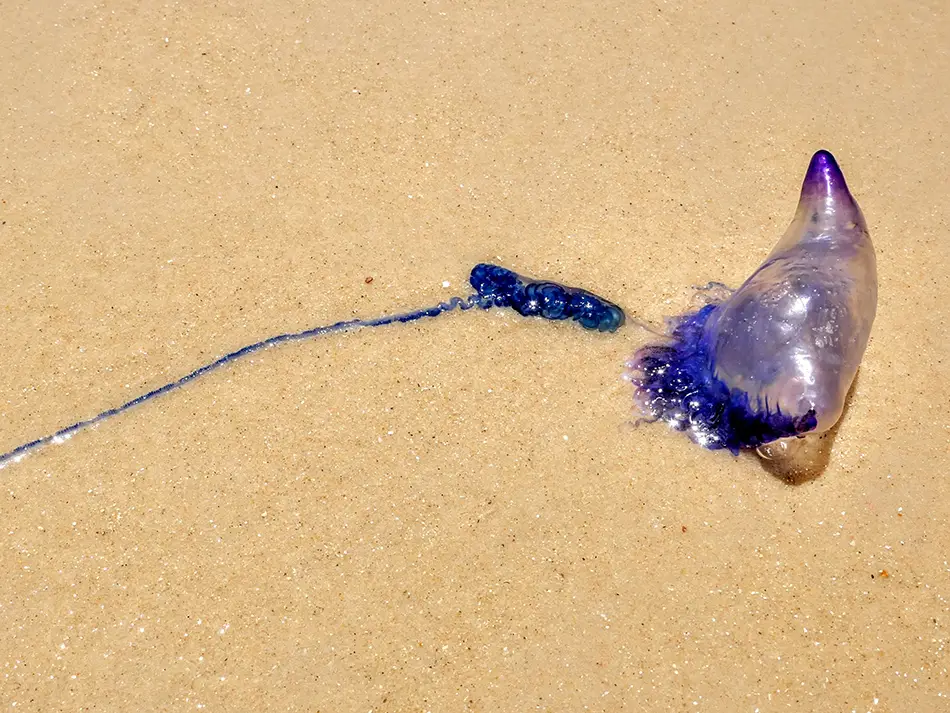
Jellyfish appear in Mui Ne waters, particularly during the warmer months from roughly April through August when water temperatures rise above 82°F (28°C). Common large white jellyfish cause mild to moderate stings.
More concerning is the Portuguese man-of-war (Physalia physalis), technically not a jellyfish but a colonial organism called a siphonophore. These small floating blue-purple bladders, roughly the size of a tennis ball, trail long tentacles that deliver intensely painful stings. Their venom can cause severe welts lasting weeks, and in rare cases trigger allergic reactions affecting breathing — particularly dangerous for children.
That said, they are not a constant presence in Mui Ne. They typically show up once or twice per season for a few days at a time, drifting in with the current and then disappearing. A common precaution is walking along the beach for a few minutes before going in. When man-of-war are around, their blue bladders usually wash up on the sand.
Sandflies
Sandfly bites are not dangerous but intensely itchy, and the irritation lasts for weeks. They thrive on neglected beach sections with accumulated fishing debris and organic matter. Well-maintained resort beaches in Mui Ne where sand is raked daily rarely have them. The risk increases on semi-wild stretches and near fisherman landing areas. Strong DEET-based mosquito repellent offers effective protection.
Beach Vendors
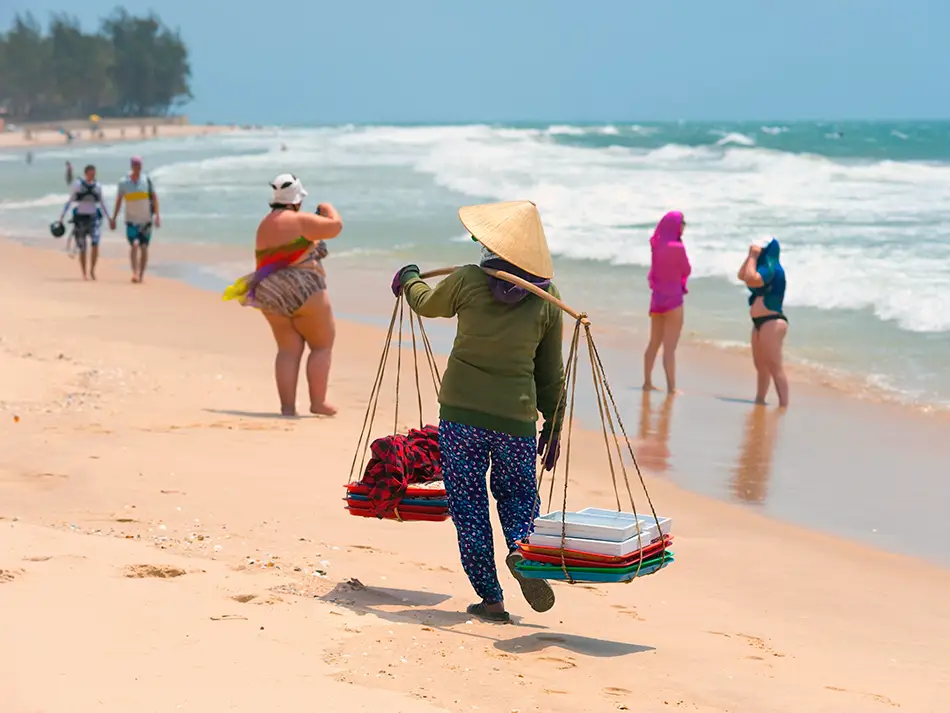
Elderly women carrying baskets of fruit, snacks, and drinks walk the beach throughout the day. While most transactions are straightforward, scams involving unclear pricing are well documented. Three guidelines keep interactions trouble-free:
- First, confirm the price before accepting anything. Ask twice if there is any ambiguity. A price that sounds like 40,000 VND ($1.5/€1.3) can be claimed as 400,000 VND ($15.2/€12.9) once the item changes hands.
- Second, when paying with a large-denomination bill, hold it visibly while the vendor counts the change. Only release the bill once the correct change is ready.
- Third, do not photograph vendors without asking. Beyond basic respect, being spotted taking unsolicited photos can lead to an insistent demand for payment. These women carry heavy loads in the sun for long hours and are assertive about protecting their livelihood.
Bargaining on the initial price is normal and expected. A polite exchange with a smile keeps things friendly.
Mui Ne vs. Nha Trang
This comparison comes up frequently, and the answer depends on priorities. Mui Ne’s advantages are proximity to Ho Chi Minh City, lower prices, the unique landscape of nearby red and white sand dunes. The beach experience itself is limited by wind, erosion, and access issues described above.
Nha Trang sits on a wide sheltered bay with calmer water, clearer visibility, and established snorkeling and diving around offshore islands. It is a more conventional beach resort city with a longer public promenade, more nightlife, and a wider range of restaurants.
In short: Mui Ne for wind sports, sand dunes, and a low-key atmosphere close to Saigon. Nha Trang for swimming, underwater activities, and a more developed resort scene.
Beaches Near Mui Ne
Mui Ne resort strip is where most visitors spend their time, but the wider Phan Thiet coastline holds several beaches with a different character. None of these are walking distance from the hotel zone — all require a taxi, motorbike, or organized tour — yet each offers something the main strip does not.
📍Ke Ga Beach lies about 19 miles (30 kilometers) southwest of Phan Thiet. The main draw is the Ke Ga Lighthouse, built by the French in 1899, the tallest in Vietnam and the oldest in Southeast Asia. The surrounding beach is rocky in places and not ideal for swimming, but the lighthouse and the boulder-strewn coastline make it a popular photography stop. The sandy beach nearby, however, is heavily littered with fishing nets, ropes, and plastic waste from the local fishing industry, so the postcard-worthy views are limited to the lighthouse side.
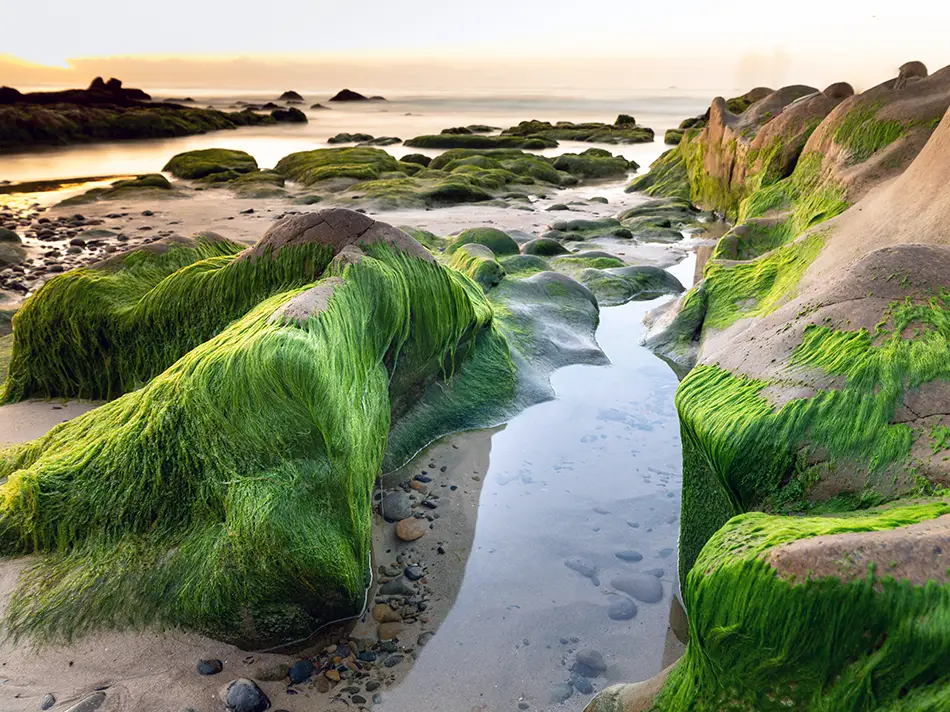
📍Co Thach Beach sits roughly 44 miles (70 kilometers) from Mui Ne. Its main feature is a field of colorful rock formations along the shore that becomes covered in bright green moss during the wet season, typically from June through September. Outside that window the rocks are dry and less photogenic.
📍Doi Duong Beach is the city beach of Phan Thiet proper. It faces a calm bay, has a paved promenade, and draws mostly local families rather than international visitors. The beach sits next to Doi Duong Park. In the evenings, the promenade fills with food vendors, families, and groups exercising along the waterfront — a side of local beach life that the Mui Ne hotel strip does not show.
Responsible Beach Behavior

Plastic waste on unmanaged sections of the Mui Ne beaches is already a visible problem. Carrying a reusable water bottle, taking snack wrappers back rather than leaving them on the sand, and declining plastic straws at beachfront restaurants all help.
Buying a coconut or snack from a beach vendor contributes directly to local livelihoods in a town where tourism revenue does not reach everyone equally.
Final Thoughts
Mui Ne beaches are not the polished tropical postcard that Vietnam’s tourism marketing likes to sell. The water is murky, half the shoreline hides behind hotel fences and seawalls, and for five months of the year the wind turns the shore into a sandblasting zone. None of that is a reason to skip it.
What Mui Ne does offer is something harder to find along Vietnam’s increasingly developed coast: a beach town that still runs on its own terms. Fishermen haul their catch in round coracle boats a few hundred meters from resort pools. Kites crisscross the sky above sunbathers. The red sand dunes sit just up the road, and the Fairy Stream winds through its quiet canyon.
The key is matching your expectations to the reality. Come in April for calm water and empty beaches. Come in December for wind sports and dramatic sunsets. Book a resort with a stable beach section, not one perched on a seawall. And treat Mui Ne for what it is: a rough-edged, wind-scoured stretch of coast with genuine character, rather than a sanitized resort experience.
The travelers who enjoy it most are the ones who arrive knowing exactly what they are getting into.