Finding a place to practice yoga often means looking past the most famous retreats to find spots that prioritize genuine rhythm over commercial polish. Many travelers are now seeking original destinations outside India that focus on slow travel. In these locations, the goal is not just to attend a class. Instead, you integrate into a community that moves at a more intentional pace. These spots offer a chance to ground yourself in local landscapes that naturally encourage a quieter state of mind.
We have selected the following locations because they maintain a distinct character and a dedicated wellness infrastructure. They remain worthy of attention for anyone seeking a consistent practice away from the mainstream tourist circuit.
From the mountains of Argentina to the coastlines of Portugal, these international hubs provide high-quality instruction without the typical crowds. Each one offers a unique environment where the daily routine supports a deeper, more grounded sense of well-being.
1. Ubud, Indonesia
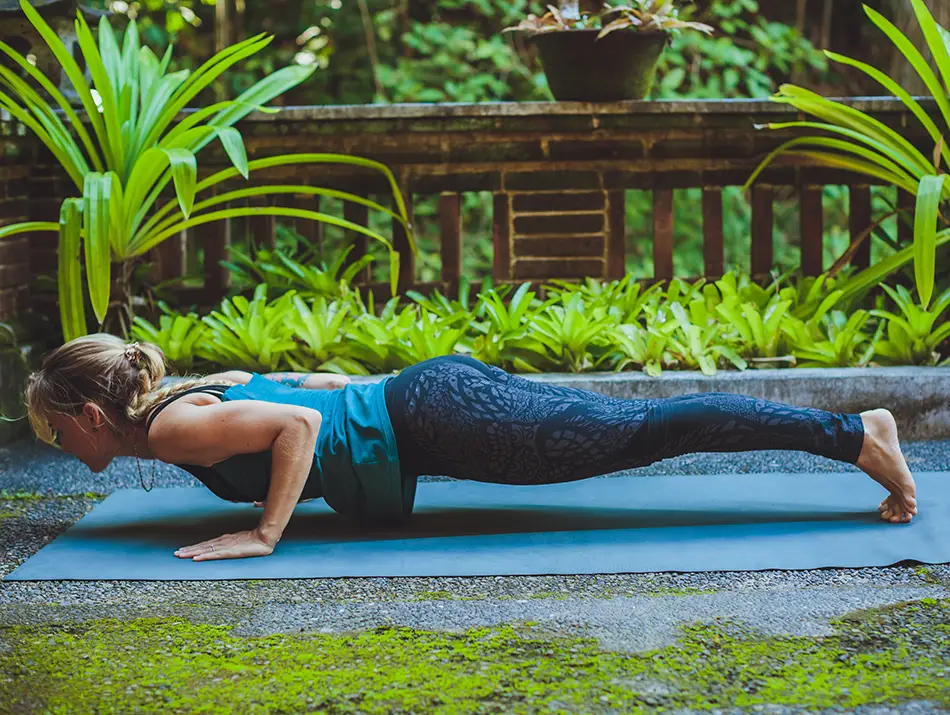
Ubud continues to serve as a primary global center for yoga, though the experience in 2026 depends heavily on where you stay. The town center is vibrant and busy, filled with organic cafes and large-scale studios. However, the true “slow” experience has moved to the surrounding rice fields of Sayayan and Penestanan. Here, you can find smaller shalas (open-air yoga halls) where the sound of the jungle replaces the noise of motorbikes.
The yoga scene here is incredibly diverse. You will find everything from traditional Hatha to modern sound healing and “ecstatic dance.” This latter practice is a popular form of free-movement meditation. To dive deep, many travelers buy month-long passes at the larger centers. This makes it easy to build a steady daily routine. You can start with a morning practice and follow it up with a slow walk through the rice terraces. One downside is the humidity and the occasional overcrowding in popular classes, which can detract from the sense of solitude.
- Setting: Lush tropical jungle and tiered rice terraces with narrow, paved walking paths.
- Best Time for Outdoor Practice: April to June or September, when the weather is dry and temperatures are around 82°F (28°C).
2. Koh Phangan, Thailand
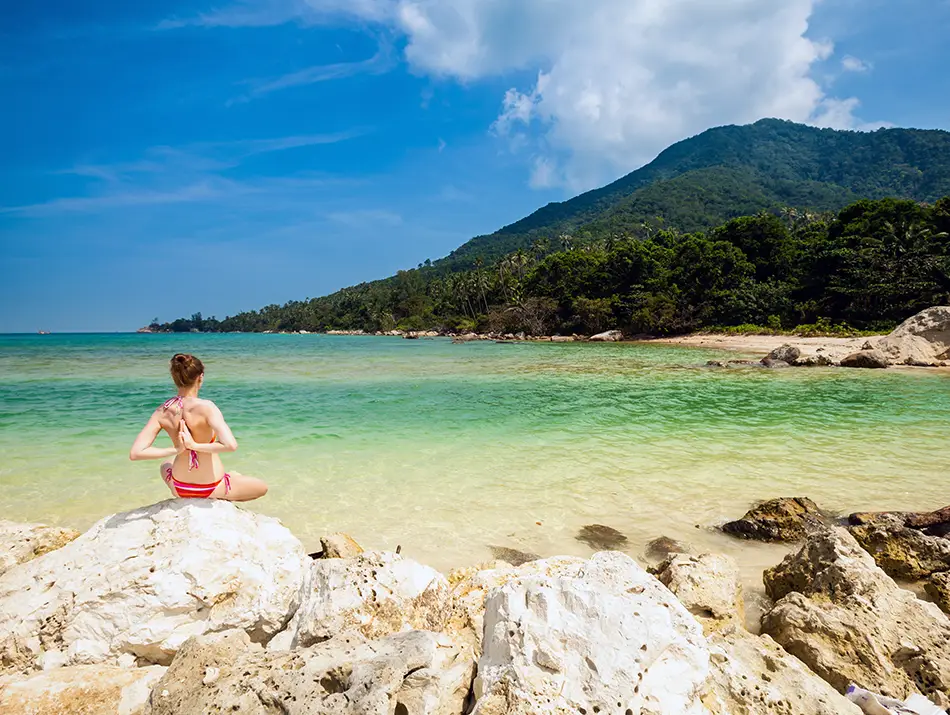
While known for its beach parties, the northwest corner of the island, specifically the Srithanu area, has evolved into one of the most concentrated yoga communities in the world. Life here revolves around the “conscious” scene. You will find people in practice attire at every fruit stall, and the daily schedule is dictated by the timing of sunrise meditations and evening breathwork sessions.
The specialty here is the focus on community-led workshops and “Tantra” (a practice focused on energy and connection). The shalas sit directly on the beachfront or tucked into the jungle canopy. It is a place where you can easily find long-term rentals and settle into a very affordable, health-conscious lifestyle. Be aware that the “spiritual” intensity can feel a bit overwhelming for some, and the island’s steep hills make getting around by scooter a necessity.
- Setting: Coastal jungle with steep, winding roads and soft sand beaches.
- Best Time for Outdoor Practice: January to March, during the dry season with steady sea breezes and temperatures near 86°F (30°C).
3. Pai, Thailand
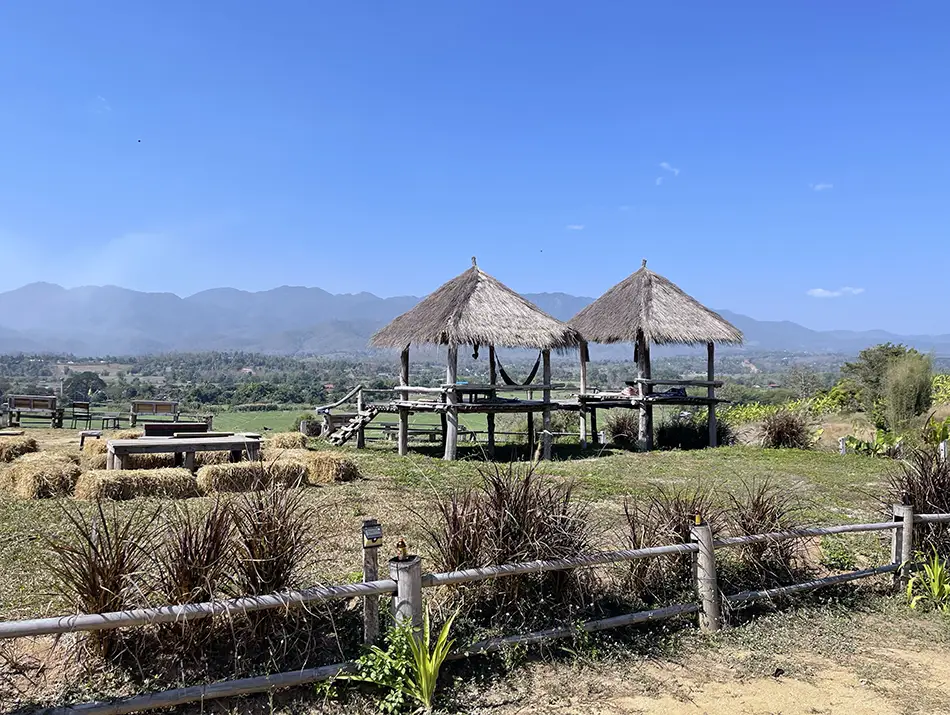
Nestled in a valley in Northern Thailand, Pai offers a cooler, more temperate alternative to the tropical islands. The town is famous for its relaxed “hippie” vibe, but in 2026, it has become a significant hub for somatic work and restorative yoga. The pace is noticeably slower here. Mornings often start with a thick mist over the Pai River, providing a natural silence that is perfect for meditation.
The yoga scene is less about “power” and more about “presence.” You will find many practitioners focusing on slow, gentle movements and Yin yoga. A unique feature of Pai is the abundance of natural hot springs, which many yogis use for post-practice muscle recovery. However, the “burning season” (usually February to April) brings heavy smoke from local farming, making it a poor time for outdoor breathing exercises.
- Setting: Mountainous valley with pine forests, waterfalls, and river-side trails.
- Best Time for Outdoor Practice: November to January, when the air is crisp and clear with morning temperatures around 59°F (15°C).
4. Hiriketiya, Sri Lanka
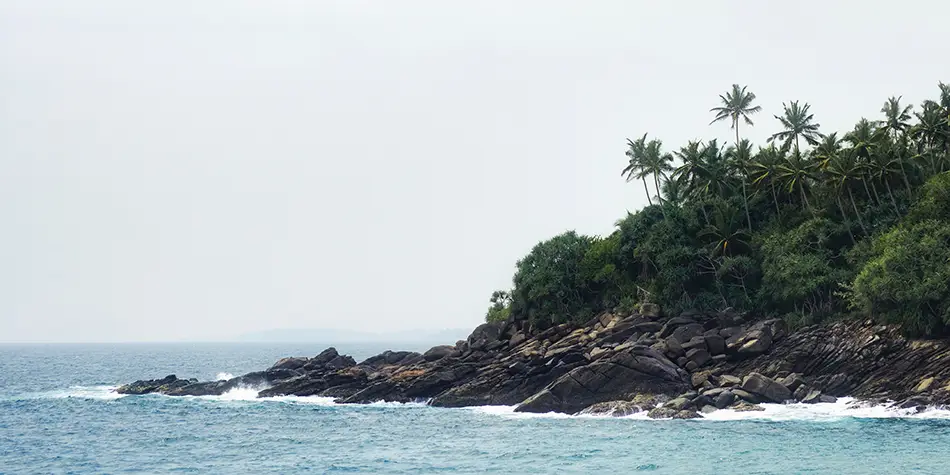
This horseshoe-shaped bay on the southern coast has become a favorite for those who like to pair their yoga with surfing. Unlike the busier beaches of Weligama, “Hiri” feels tucked away. The yoga scene is integrated into the jungle that lines the sand, with several boutique shalas offering views of the Indian Ocean. It is a highly grounding location where the day is regulated by the tides.
Practitioners here often focus on Vinyasa or “Flow” styles that mirror the rhythm of the waves. It is common to see people transition directly from a morning surf to a mid-morning yoga class. While the atmosphere is friendly and social, the village is small, so the variety of studios is more limited than in Thailand or Bali. It is a place for simplicity rather than a wide menu of different yoga styles.
- Setting: Tropical coastline with rocky points and sandy bays surrounded by dense palm groves.
- Best Time for Outdoor Practice: December to March, during the dry season with temperatures around 84°F (29°C).
5. San Marcos La Laguna, Guatemala
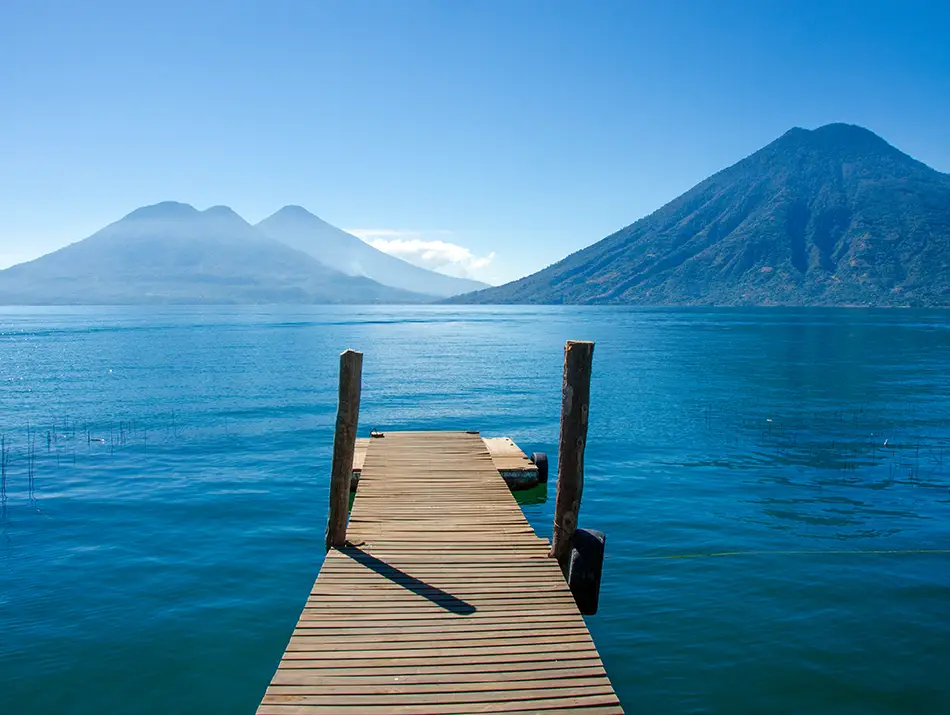
Located on the shores of Lake Atitlan and surrounded by three volcanoes, San Marcos is often described as a “vortex” for spiritual seekers. The town is essentially a maze of narrow walking paths where cars are rare. This lack of traffic noise creates an incredibly quiet environment that supports deep, inward practice.
The yoga here is often high-altitude and paired with local Mayan traditions, such as cacao ceremonies or “Temazcal” (a traditional Mesoamerican sweat lodge). The focus is heavily on the “spiritual” side of yoga rather than just the physical workout. One challenge for travelers is the rugged nature of the village; the paths can be slippery when it rains, and the “Atitlán stomach bug” is a common hurdle for those not used to the local water or food preparation styles.
- Setting: High-altitude volcanic lakeside with steep, terraced gardens and dirt paths.
- Best Time for Outdoor Practice: November to April, the dry season, with temperatures averaging a comfortable 72°F (22°C).
6. Oaxaca City, Mexico
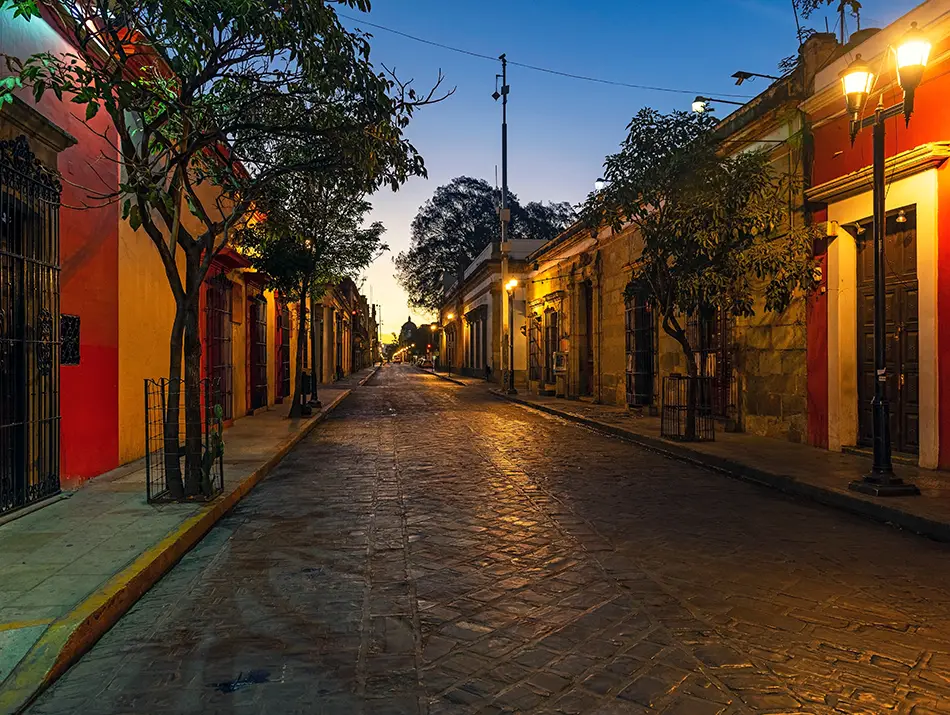
Oaxaca is a cultural heavyweight where yoga has found a home within the city’s slow, colonial rhythm. Instead of jungle shalas, you will find practice spaces in restored courtyard houses or on rooftops overlooking the city’s many church spires. The experience here is about “grounding” through ritual, food, and movement.
The local yoga scene is often intertwined with “Curanderismo” (traditional healing). After a class, it is easy to find nourishing, plant-based takes on traditional Oaxacan mole or visit local markets for herbal remedies. While the city is beautiful, it is an urban environment, so you won’t have the same “nature” immersion as a beach or mountain town. The thin air at high altitudes may also make your first few Vinyasa classes feel more challenging than usual.
- Setting: High-altitude urban valley with cobblestone streets and nearby mountain trails.
- Best Time for Outdoor Practice: October to March, with sunny days and cool nights around 65°F (18°C).
7. Ericeira, Portugal
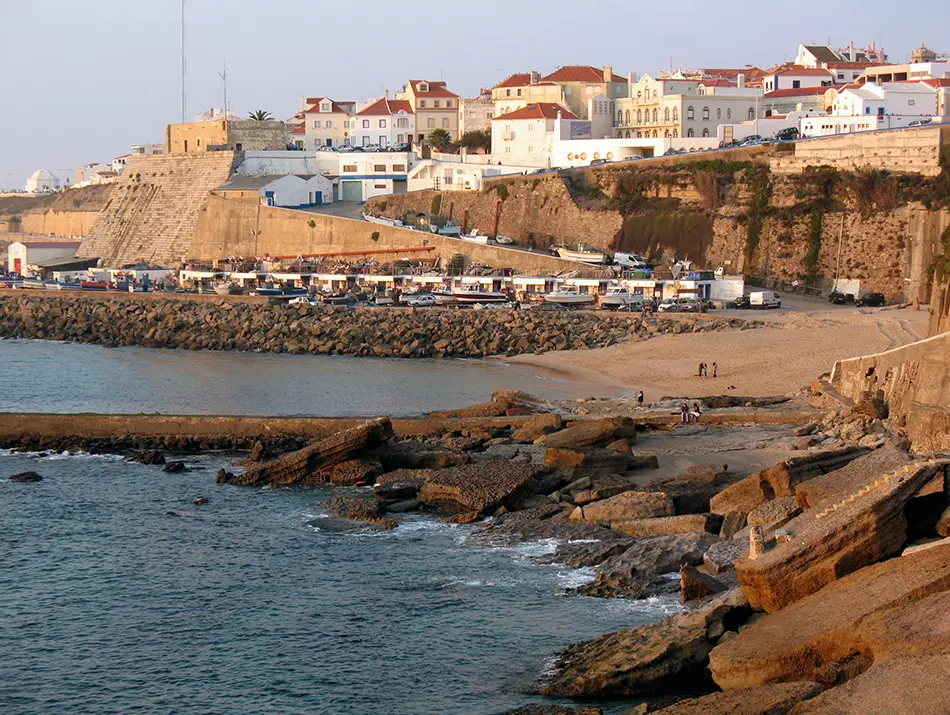
Ericeira is a World Surfing Reserve that has developed a very solid, high-quality yoga scene. The town sits on Atlantic cliffs, and the air is constantly filled with a salty mist. This provides a very different type of “grounding” than the tropics—it feels fresh, bracing, and energizing. Most studios here offer floor-to-ceiling windows to take in the ocean views.
The specialty in Ericeira is “Surf-Yoga,” which focuses on core strength, balance, and shoulder mobility. However, there are also many studios dedicated to Hatha and meditation for those who don’t surf.
The town is impeccably clean and organized, but the Atlantic water is cold year-round, and the wind can be quite strong, which might make outdoor practice on the beach less comfortable than it looks in photos.
- Setting: Rugged coastal cliffs with sandy beaches and paved clifftop boardwalks.
- Best Time for Outdoor Practice: June to September, when the weather is warm and winds are lighter, around 75°F (24°C).
8. Aljezur, Portugal
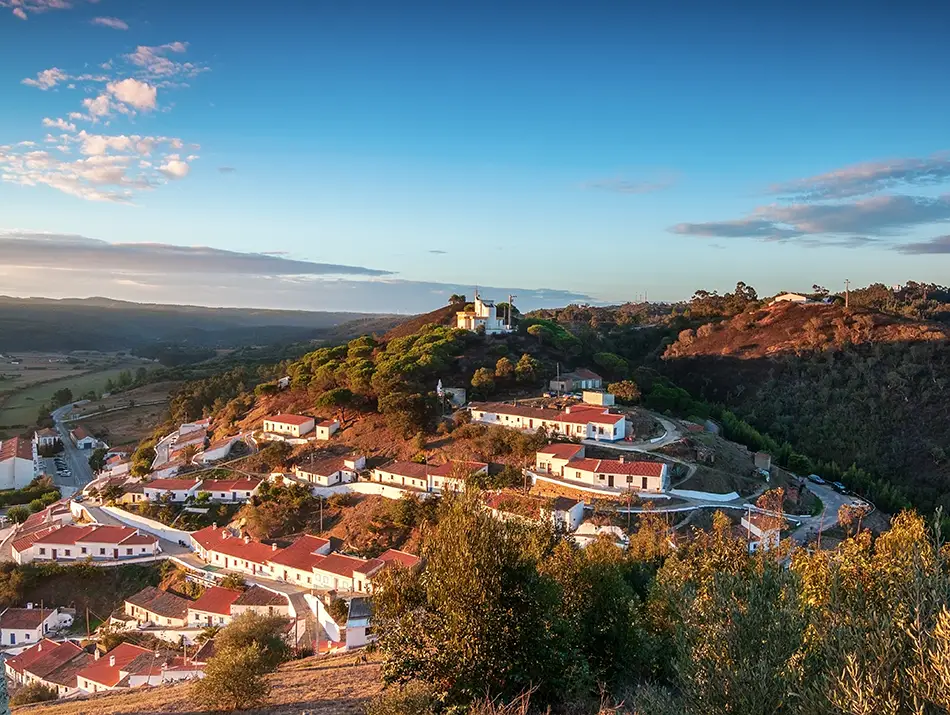
Located further south in the Costa Vicentina Natural Park, Aljezur is the quieter, more rural cousin to Ericeira. This is where you go for true silence. The “town” is split into a historic moorish hillside and a newer valley, surrounded by vast stretches of wild, protected land. The yoga scene here is scattered among small guest houses and rural retreats rather than big commercial studios.
The focus here is on “Eco-Yoga” and sustainability. Many retreats offer a farm-to-table experience where you practice in the morning and help in the organic garden in the afternoon. It is an ideal spot for long-stay travelers who want to disappear into nature. The main downside is that a car is almost essential to get between the town, the studios, and the beaches.
- Setting: Wild, scrubby hillsides, river valleys, and vast, empty Atlantic beaches.
- Best Time for Outdoor Practice: May, June, and September to avoid the peak summer heat and wind, around 72°F (22°C).
9. Lefkada, Greece
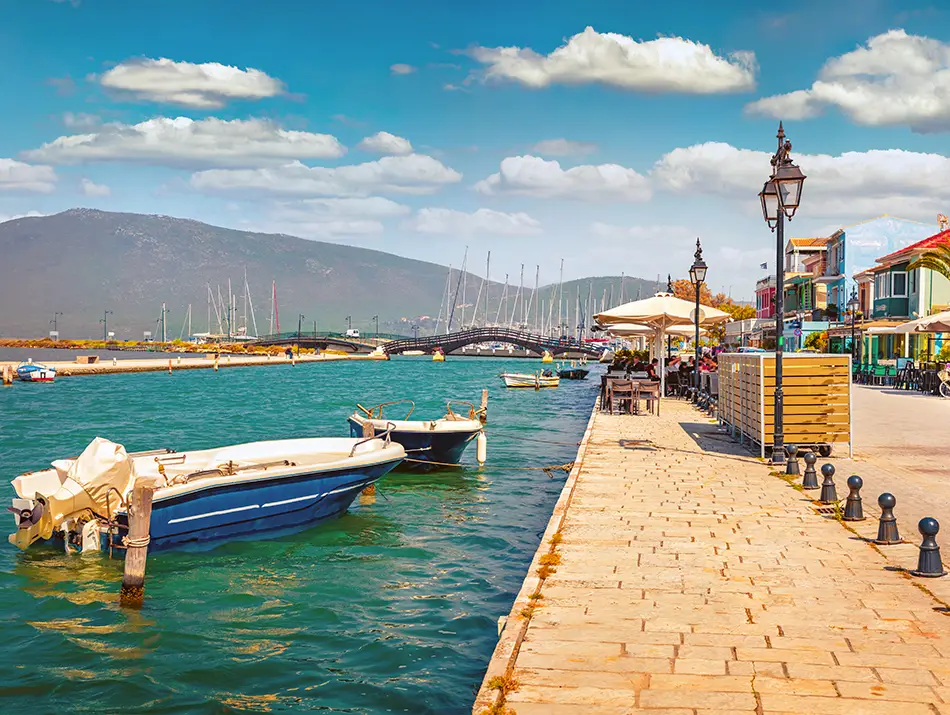
Lefkada is an Ionian island connected to the mainland by a small bridge, making it more accessible than many other Greek islands. It has avoided the high-intensity nightlife of places like Mykonos, choosing instead to market itself as a wellness destination. The yoga here is defined by the incredible “electric blue” water and the olive groves that cover the hills.
Retreats are the primary way to practice here, often held in villas overlooking the sea. The style tends to be restorative and meditative, taking advantage of the quiet landscapes. While beautiful, the island can feel a bit “empty” during the winter months, with many businesses closing down. It is best visited during the shoulder seasons when the weather is warm but the crowds have thinned.
- Setting: Steep limestone cliffs, white pebble beaches, and hilly interior forests.
- Best Time for Outdoor Practice: May to June or September to October, with temperatures near 77°F (25°C).
10. Byron Hinterland, Australia
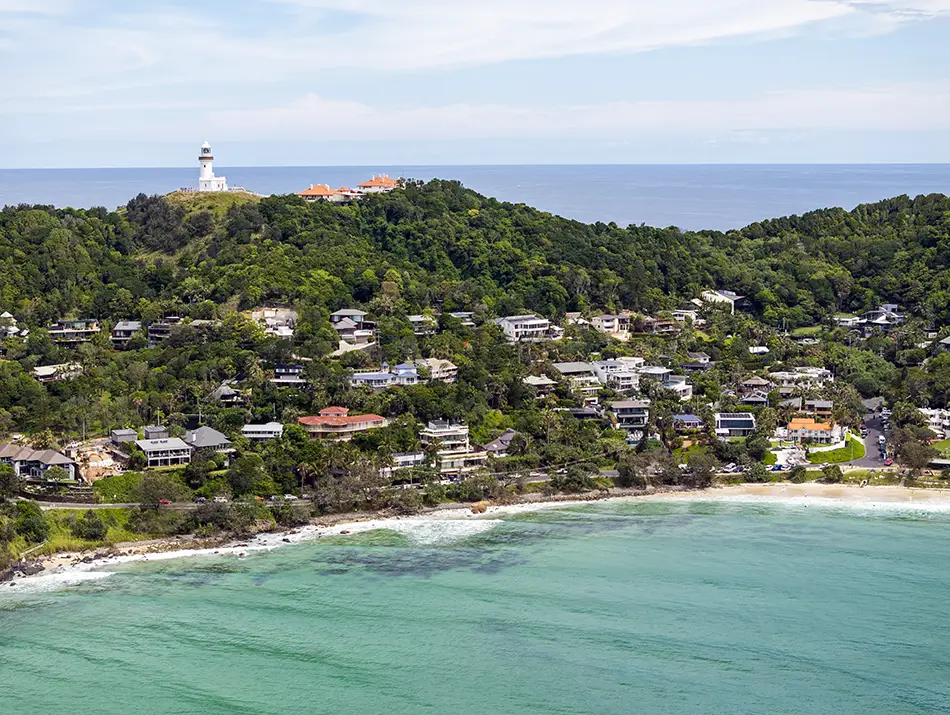
The “Hinterland” refers to the rolling green hills just inland from the famous Byron Bay. While the beach town can feel trendy and crowded, the Hinterland remains deeply committed to serious, long-term practice. This is the home of some of Australia’s oldest and most respected yoga ashrams (places for spiritual practice) and retreat centers.
The scene here is very “earthy.” You can expect to practice in wooden shalas surrounded by ancient rainforest and macadamia orchards. There is a strong emphasis on “Purna” yoga, which integrates the physical, mental, and ethical sides of the practice. It is a premium destination, so prices for food and accommodation are high compared to Southeast Asia or Central America.
- Setting: Rolling volcanic hills, subtropical rainforest, and winding country lanes.
- Best Time for Outdoor Practice: September to November (Spring) for mild weather around 73°F (23°C).
11. El Bolson, Argentina
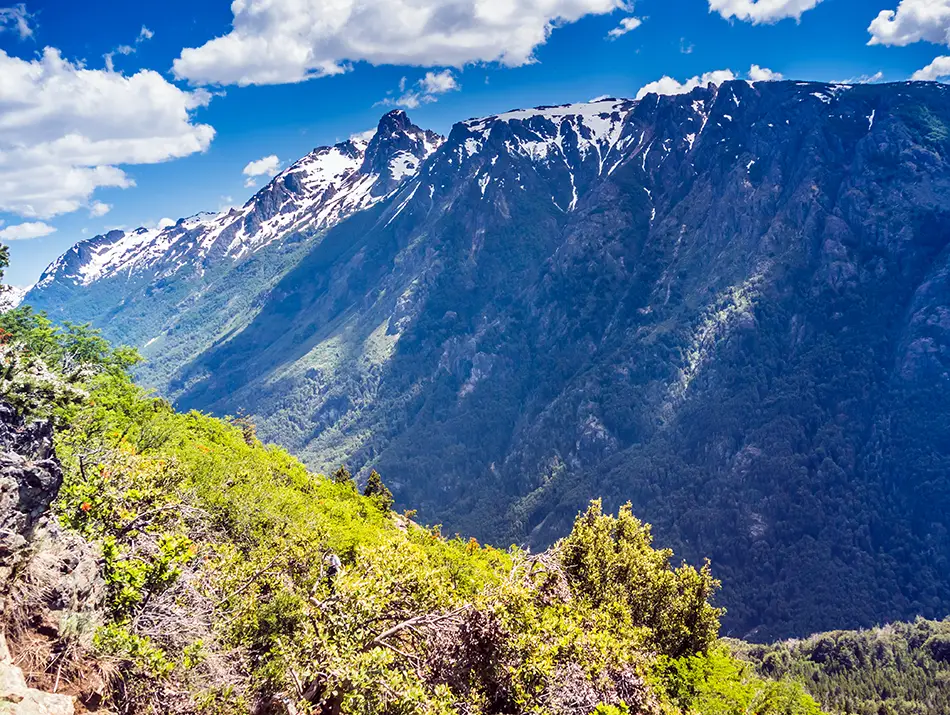
Located in the northern part of Patagonia, El Bolson has a long history as a haven for artists and “alternative” lifestyles. It is a spectacular place for yoga because of the sheer scale of the Andes mountains. The town feels like a giant park, with clear turquoise rivers and jagged peaks in every direction.
The yoga scene is communal and simple. You won’t find many “luxury” shalas here; instead, practice happens in community halls, wooden cabins, or outdoors by the river.
It is a place for “Mountain Yoga,” where the practice is used to prepare the body for long hikes. Language can be a barrier here, as English is not as widely spoken as in Bali or Thailand, but the welcoming “Patagonico” hospitality usually bridges the gap.
- Setting: Alpine valleys, coniferous forests, and rocky mountain trails.
- Best Time for Outdoor Practice: December to February (Southern Summer), with long days and temperatures around 75°F (24°C).
Choosing a destination for slow yoga travel is about more than finding a good instructor. It is about finding a place where the environment itself encourages you to exhale.
Each of these locations outside India offers a different way to reconnect with your practice. You might prefer the humid jungles of Indonesia or the crisp, high-altitude air of Guatemala. Others might find their rhythm in the wild Atlantic winds of Portugal.
These global hubs prove that grounding travel is possible in many corners of the world. By stepping away from the typical tourist paths, you can find a pace that truly supports your well-being. We invite you to explore our other travel inspiration articles and guides to discover your next adventure. Whether you are a seasoned practitioner or just beginning, there is always a new landscape waiting to help you find your center.