In 2026, the global travel landscape is shifting away from bucket-list snapshots and toward meaningful, slower immersion. Iconic trails like the Camino de Santiago or the West Highland Way remain undeniably beautiful. However, they often come with crowds and booked-out hostels that can detract from the solitude many seek in nature. Exploring off the beaten path hiking destinations offers a rare chance to reconnect with the landscape on a more personal level. In these quiet corners, the trail feels like it belongs solely to you and the few locals you encounter along the way.
We aren’t suggesting these are the only places worth your time, but they represent a curated selection of routes that are currently hitting their stride with updated infrastructure and new accessibility.
These destinations offer a blend of deep history, untouched ecosystems, and community-led conservation that feel particularly relevant this year. From the high-altitude yurt camps of Central Asia to the ancient meteorite craters of Quebec, these paths provide a worthy alternative for anyone looking to step away from the mainstream.
Via Transilvanica, Romania
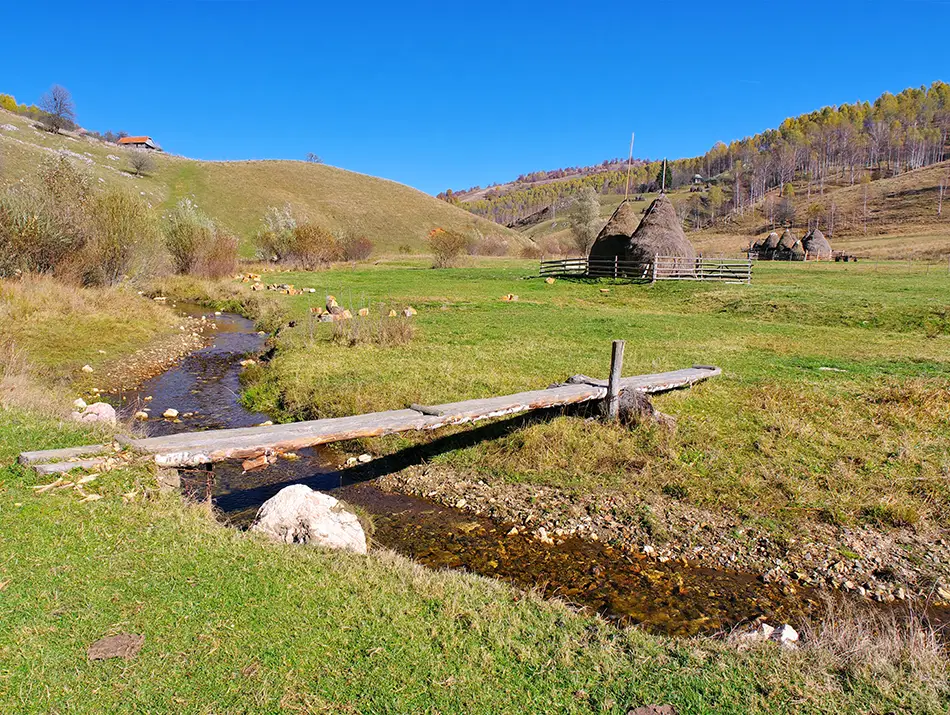
Known as the “Camino of the East,” this long distance trail has reached a total length of 870 miles (1,400 kilometers) as of 2026. The route cuts a diagonal line across Romania, connecting distinct cultural regions and several UNESCO World Heritage sites. You will find yourself walking through a landscape that looks like a living medieval museum. Here, horse-drawn carts are still common and Saxon villages retain their 12th-century charm.
The terrain varies from the dense forests of the Carpathian Mountains to the rolling pastoral hills of Transylvania. One of the features of this hike is the series of individually carved andesite milestones. They help turn the route into an open-air gallery, with a different carved marker appearing kilometer by kilometer.
While the hospitality is legendary, be prepared for some language barriers in smaller hamlets and the occasional need to navigate around large shepherd dogs protecting their flocks.
- Accommodation: Hikers stay in local guesthouses, renovated Saxon farmhouses, or simple rooms provided by village priests and monasteries.
- Best Season: May to October. Autumn is particularly colorful but brings colder nights.
- Challenge Level: Moderate. The difficulty comes from the distance rather than technical climbing.
- Guides: Not mandatory. The trail is excellently marked, making it very manageable for solo hikers with a GPS map.
- Wild camping: Generally tolerated in remote areas but not a formal right. Camp discreetly, avoid private land, no fires, and be bear-aware in forested sections.
Southwestern Tien Shan, Kyrgyzstan
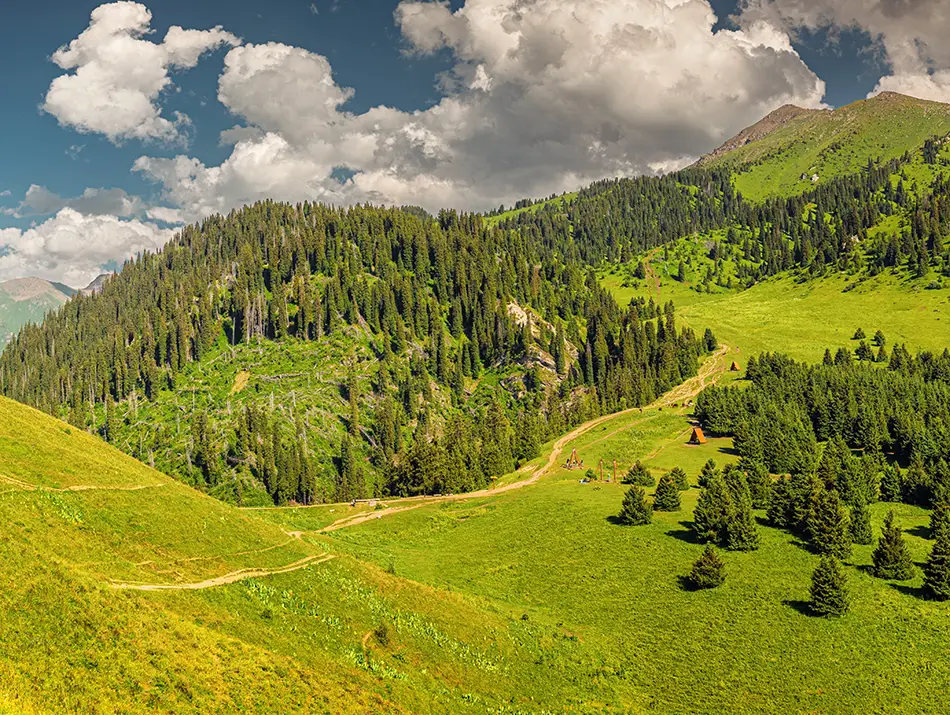
Kyrgyzstan has recently expanded its trail networks in the southwestern reaches, positioning itself as a premier frontier for off the beaten path hiking. This region offers the staggering scale of the Himalayas but with a fraction of the foot traffic. You will move through a world of high-altitude turquoise lakes, jagged limestone peaks, and vast alpine meadows where the only neighbors are semi-nomadic herders.
The experience here is deeply tied to Kyrgyz culture. You aren’t just passing through the land; you are participating in a way of life that has existed for centuries. A typical day involves crossing a high mountain pass and descending into a valley to find a cluster of yurts.
However, the weather is fickle; even in July, you might encounter a sudden snowstorm at higher elevations. The lack of fixed infrastructure means you must be comfortable with very basic facilities and high-altitude trekking.
- Accommodation: Most nights are spent in traditional yurts with local families or in high-quality trekking tents.
- Best Season: July to early September when the high passes are clear of snow.
- Challenge Level: Strenuous. Expect high altitudes often exceeding 11,500 feet (3,500 meters).
- Guides: Highly recommended. While not strictly required by law, the lack of clear trail signage and the complexity of high-mountain passes make a local guide essential for safety and cultural translation.
- Wild camping: Widely accepted and common outside villages and yurt camps.
Sierra Norte de Oaxaca, Mexico
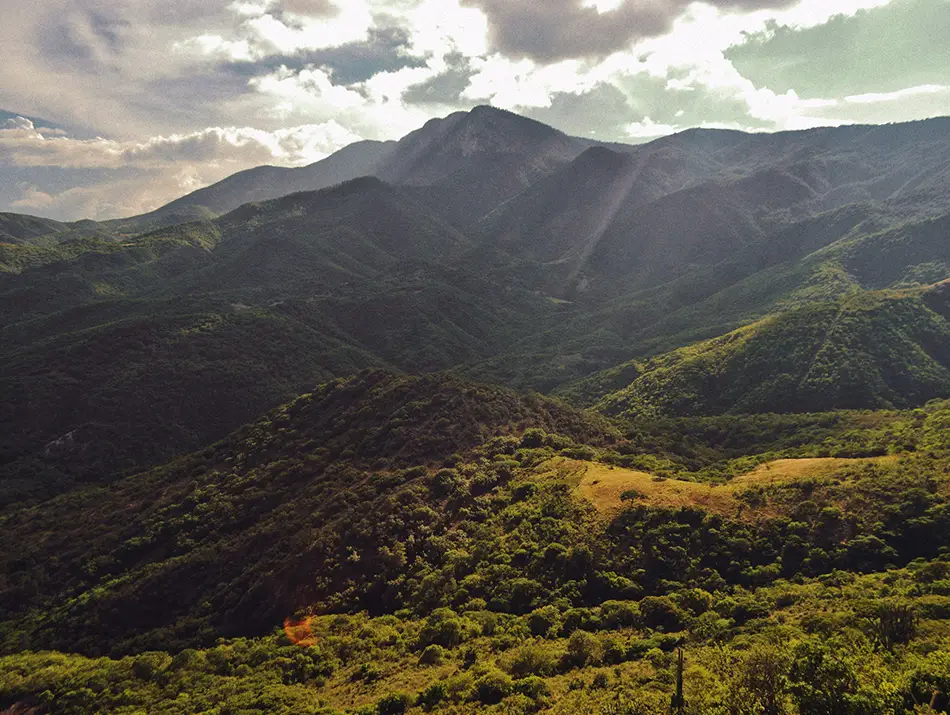
High above the famous food markets of Oaxaca City, a cooperative of eight Zapotec villages operates a thriving tourism project. This initiative is entirely indigenous-led and has become highly successful. This is a perfect example of an underrated hiking destination that avoids the typical resort experience. You hike along ancient trade routes through cloud forests draped in moss and bromeliads, moving between villages situated at elevations up to 10,500 feet (3,200 meters).
The cultural immersion is the primary draw here. In each village, you can participate in workshops ranging from traditional bread making to herbal medicine. The community-led nature of the project ensures that funds go directly back into local schools and conservation.
- Accommodation: Each village has comfortable, rustic community-run cabins, often equipped with fireplaces for the chilly mountain nights.
- Best Season: November to April, offering clear skies and comfortable temperatures.
- Challenge Level: Moderate to Difficult due to steep climbs and high altitude.
- Guides: Mandatory. The community cooperative requires all hikers to be accompanied by a local Zapotec guide to ensure you stay on designated paths and to support the local economy.
Los Dientes de Navarino, Chile
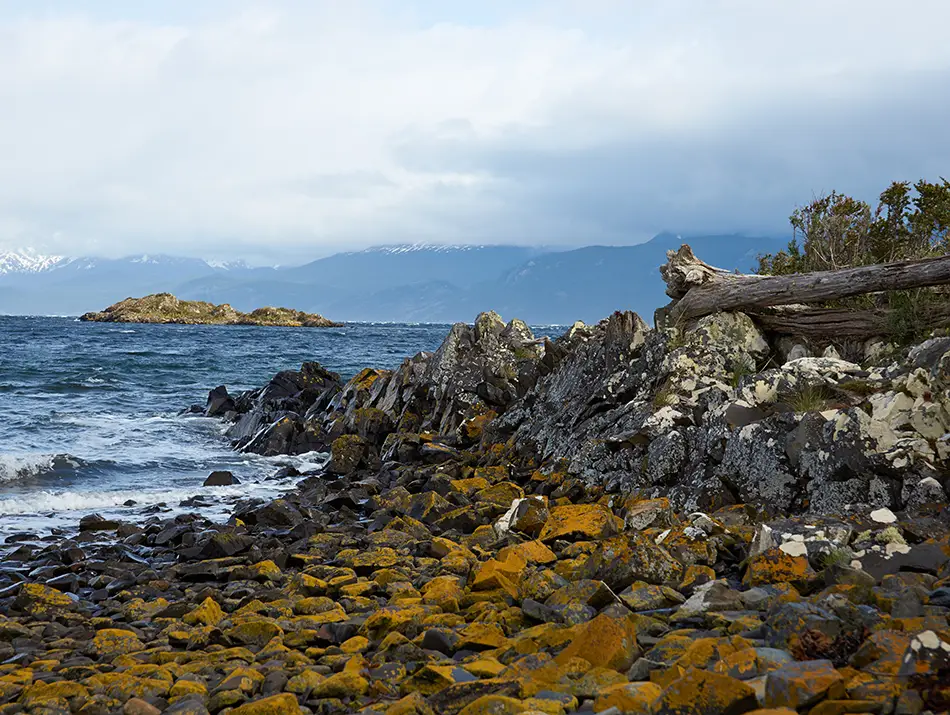
Located on Navarino Island at the tip of South America, this route is often cited as the “southernmost hike in the world.” While the famous Torres del Paine to the north is now strictly regulated and often crowded, the Dientes circuit remains rugged and wild. The trail loops through the “Teeth of Navarino,” a range of jagged peaks overlooking the Beagle Channel and the distant islands of Cape Horn.
The scenery is featuring sub-Antarctic forests and wind-whipped ridges. However, this is not a hike for beginners. The trail is often just a series of stone cairns, and the weather can change from sunshine to a blizzard in minutes. You must be entirely self-sufficient and prepared to carry all your gear and food. There are no refuges or supply points once you leave the tiny town of Puerto Williams.
- Accommodation: Strictly backcountry camping. You must bring a high-quality, wind-resistant tent.
- Best Season: December to March, though summer here still feels like a brisk autumn elsewhere.
- Challenge Level: Very High; requires advanced navigation skills and cold-weather experience.
- Guides: Not mandatory. However, hikers must register with the local police (Carabineros) in Puerto Williams before starting.
Rwenzori Mountains, Uganda
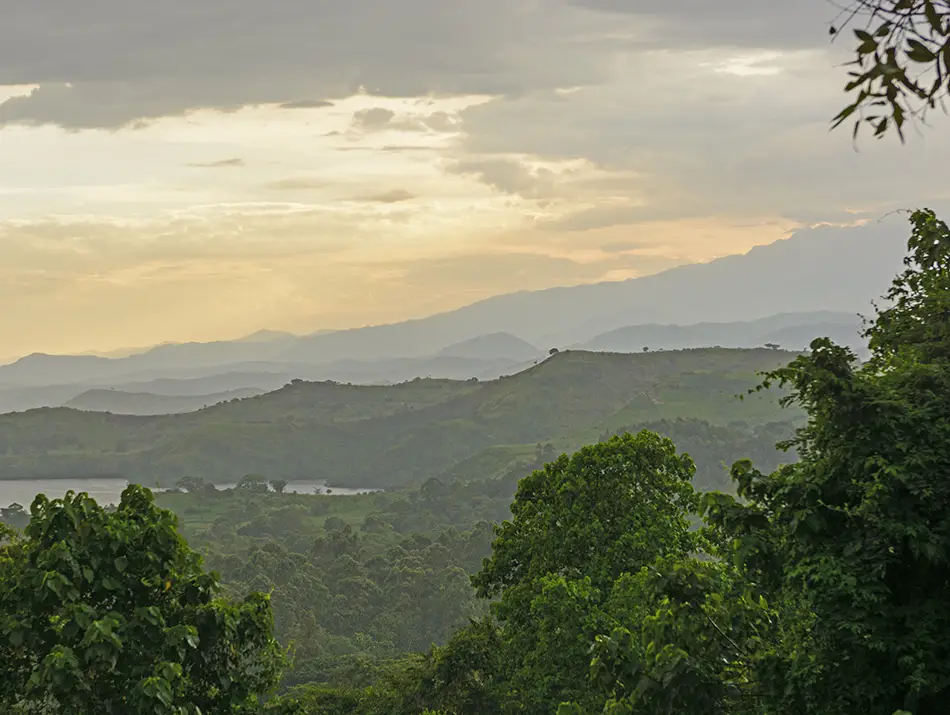
The “Mountains of the Moon” are a surreal world that feels entirely detached from the African savannah below. This range holds some of the continent’s last remaining glaciers and a landscape of giant !lobelias and groundsels. It is a challenging, misty environment where the trails are often boggy and the weather is perpetually damp.
Hiking here is as much about the unique Afro-alpine ecosystem as it is about reaching the summits. You will pass through giant heather forests dripping with moss before reaching the rocky heights of Mount Stanley. The main drawback is the physical toll. The “vertical bogs” require high-quality rubber boots and a high tolerance for being wet. It is a grueling experience, but the reward is a solitude that you simply cannot find on more famous peaks.
- Accommodation: Basic wooden mountain huts are located at key intervals along the established trekking circuits.
- Best Season: June to August and December to February.
- Challenge Level: Extremely Strenuous. Requires fitness and resilience against cold, wet conditions.
- Guides: Mandatory. You are required to trek with a licensed guide and a specialized support team.
Via Adriatica Trail, Croatia
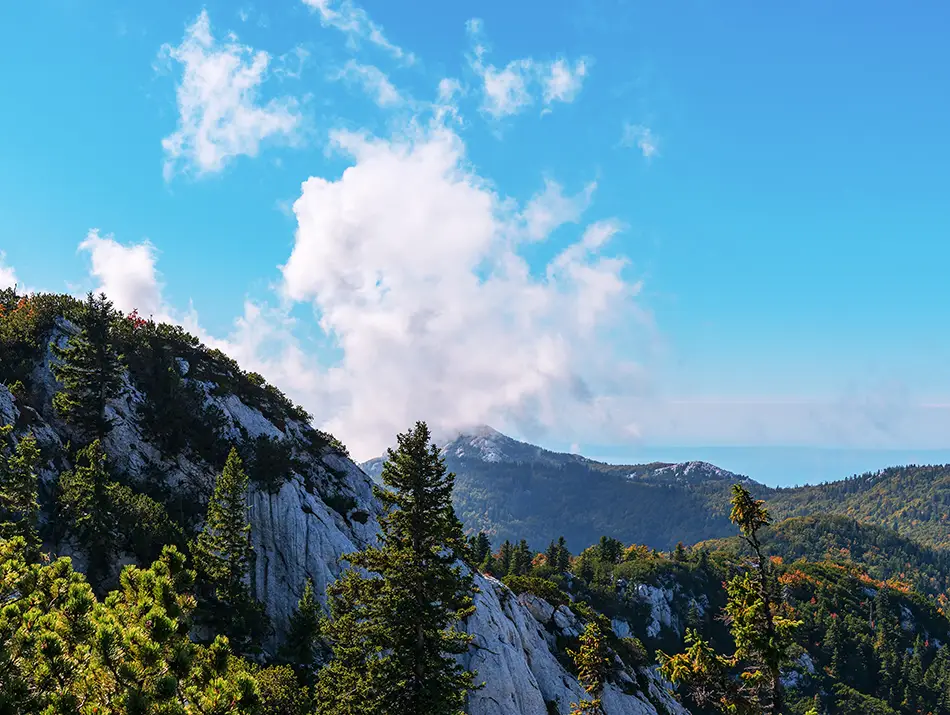
While most travelers stick to the crowded beaches of the Dalmatian coast, the Via Adriatica offers a view of Croatia from the limestone ridges above. This 684-mile (1,100-kilometer) route stays primarily in the mountainous interior, traversing national parks like Northern Velebit and Biokovo. You get the best of both worlds: rugged, alpine hiking during the day and views of the sapphire Adriatic Sea in the distance.
The trail is characterized by sharp karst topography—dramatic white limestone cliffs and deep sinkholes. It is a quiet alternative to the busier European coastal paths. One major challenge here is water. The limestone is porous, meaning surface water is scarce. Hikers must plan their water refills carefully at mountain shelters or specific wells. The terrain is also very rocky, which can be hard on the knees and requires sturdy footwear.
- Accommodation: A mix of unmanned mountain shelters, “mountaineer huts”, and campsites.
- Best Season: May to June and September to October.
- Challenge Level: Moderate to Strenuous. The rocky ground is technically demanding.
- Guides: Not mandatory. The trail is largely maintained by volunteers and is open for self-guided trekking, though joining a local mountaineering club for specific sections can be helpful for finding water.
- Wild camping: Officially not allowed and subject to fines. Some tolerance exists in very remote areas, but using legal campsites is recommended.
Arunachal Pradesh, India
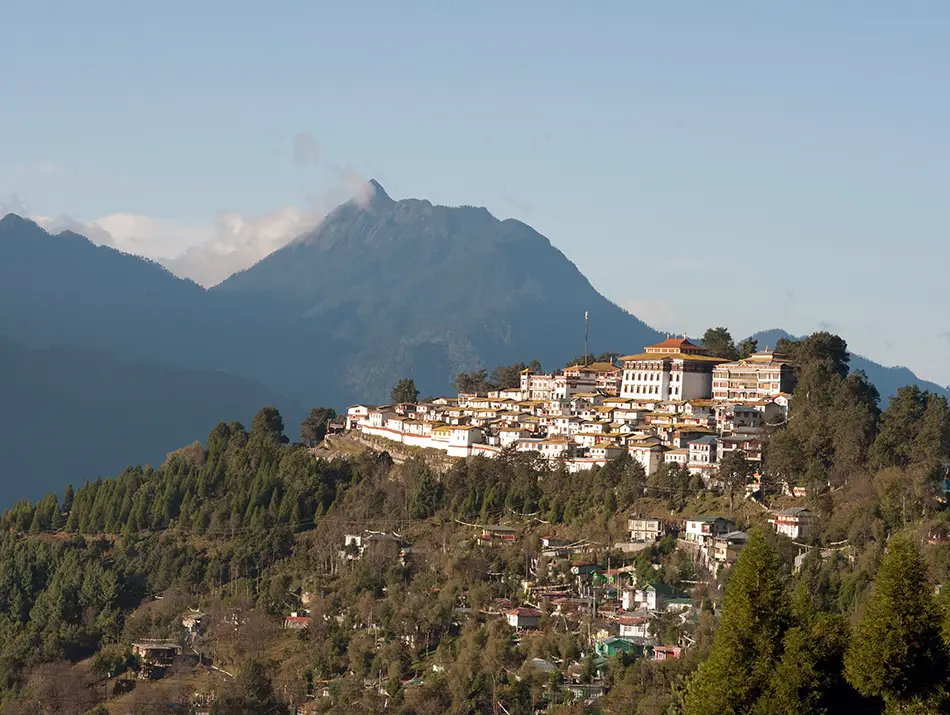
Arunachal Pradesh is the remote frontier of the Indian Himalayas, tucked between Bhutan, Tibet, and Myanmar. In 2026, the state is focusing on “homestay-led trekking” in the Tawang and Ziro valleys. This approach allows travelers to stay with the Monpa and Apatani people, offering a deep look at Tibetan Buddhist and tribal cultures that remain largely untouched by mass tourism.
The hikes here take you through rhododendron forests, past ancient monasteries (gompas), and over high-altitude passes decorated with prayer flags. The scenery is lush and dramatic, often compared to Bhutan but without the high daily tourism tariff. However, the region is logistically complex. You will need a Protected Area Permit (PAP) for foreign nationals, and the roads leading to the trailheads are often narrow, winding, and subject to landslides.
- Accommodation: Primarily village homestays, where you eat and sleep with local families, or basic guest houses in larger towns.
- Best Season: October to April.
- Challenge Level: Moderate to Strenuous depending on the specific valley and elevation.
- Guides: Mandatory.
Charlevoix Traverse, Quebec, Canada
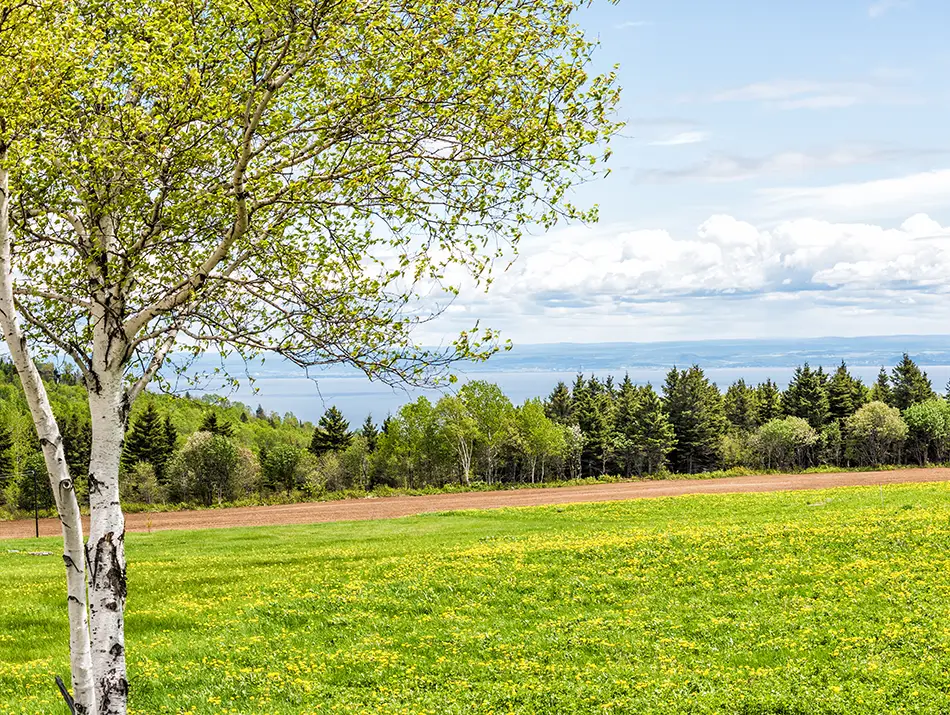
This 65-mile (105-kilometer) trek through a UNESCO Biosphere Reserve offers a unique experience. The route follows the rim of a massive, ancient meteorite impact crater. The trail offers a “hut-to-hut” experience that is rare in North America, allowing you to hike for a week through the Canadian wilderness without carrying a heavy tent. You move through a mix of boreal forests, alpine barrens, and river valleys with views of the St. Lawrence River.
The trail is well-maintained but can be physically demanding due to the constant “up and down” nature of the crater’s rim. In 2026, it has become a top North American alternative for those who want European-style logistics in a more rugged, wilderness setting. Be aware that black bears and moose are common in this area, so following wildlife safety protocols is essential. Also, the black fly season in early summer can be quite intense, making late summer or autumn the preferred window.
- Accommodation: A network of rustic backcountry huts (refuges) equipped with wood stoves, bunks, and basic cooking facilities.
- Best Season: July to late September. The autumn colors in September are world-class.
- Challenge Level: Moderate; well-marked but involves significant total elevation gain.
- Guides: Not mandatory. The trail is well-signed and the hut system is organized for independent hikers.
- Wild camping: Overnight stays are limited to official reserved campsites along the route, with strict leave-no-trace rules.
Southeastern Anatolia, Turkey
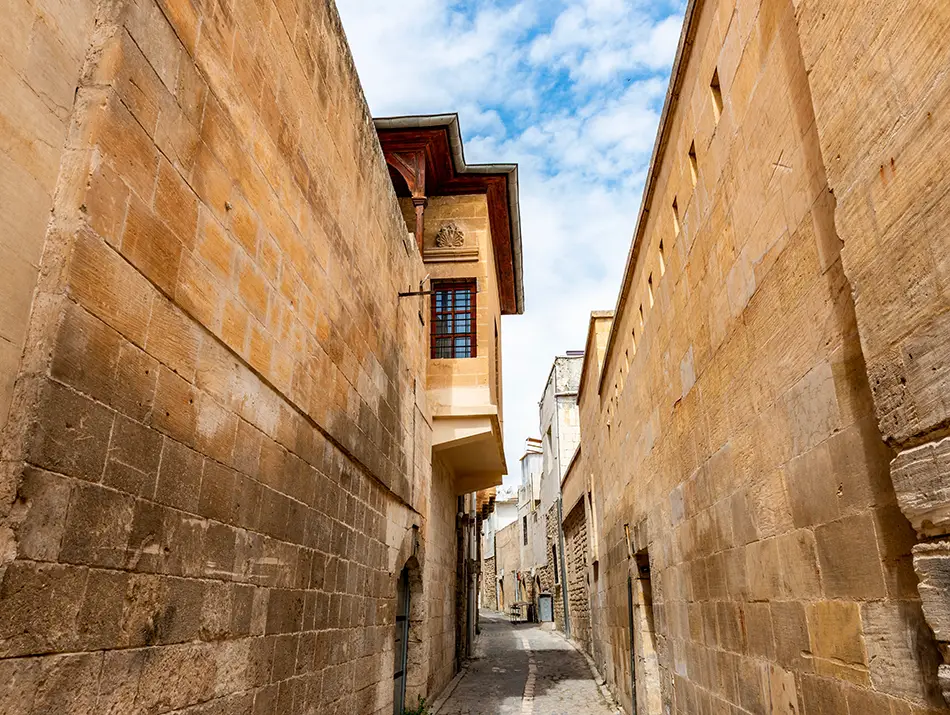
This region is currently being revitalized as a premier archaeological trekking destination. The trails around Sanliurfa lead you toward Göbeklitepe, the world’s oldest known temple site. Hiking here is essentially an odyssey through the “Cradle of Civilization.” You aren’t just walking through a landscape, you are passing through layers of human history. From Neolithic ruins to Roman bridges and hilltop beehive houses.
The terrain is a mix of arid plateaus and fertile river valleys near the Euphrates. While the historical depth is unmatched, the heat can be a significant factor. Mid-summer temperatures often soar above 104°F (40°C), making it nearly impossible to hike during the day. Therefore, timing your visit for the shoulder seasons is critical. Additionally, while the area is welcoming, it is a conservative region where dressing modestly and respecting local customs is expected.
- Accommodation: A mix of boutique hotels in historic stone buildings in towns like Sanliurfa and Mardin, and basic village guesthouses.
- Best Season: March to May and September to November.
- Challenge Level: Easy to Moderate. The challenge is the heat rather than the terrain.
- Guides: Recommended but not mandatory. While you can walk many paths independently, a guide is highly valuable for explaining the complex archaeological layers and navigating rural village etiquette.
- Wild camping: Generally discouraged and restricted in protected, archaeological, or military areas.
Alentejo Coastal Path, Portugal
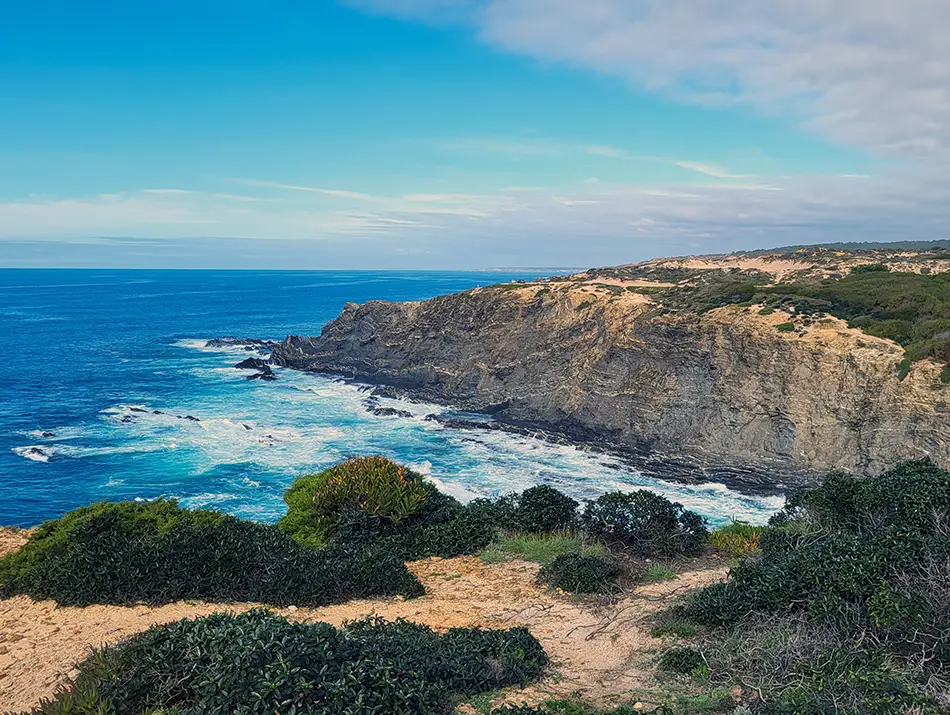
Part of the Rota Vicentina, the Fishermen’s Trail follows the raw, cliff-edged coast of the Alentejo region. This is arguably one of the last coastal wildernesses in Europe, where you walk along narrow sandy paths used by locals to reach secret fishing spots. The trail offers constant views of the Atlantic, with waves crashing against jagged rock formations and storks nesting on sea stacks.
It is a quiet alternative to the now-crowded Camino de Santiago. You will pass through sleepy white-washed villages where life revolves around the daily catch. The main difficulty is the sand. Roughly 60% to 70% of the trail consists of soft sand, which makes for a much slower and more tiring walk than the elevation profile suggests. However, the reward is a series of pristine, empty beaches and some of the best seafood in Europe at the end of every day.
- Accommodation: Small hotels, hostels, and bed-and-breakfasts in coastal villages like Vila Nova de Milfontes.
- Best Season: September to May. Summer is too hot and lacks shade.
- Challenge Level: Moderate.
- Guides: Not mandatory. The route is part of the well-marked network.
- Wild camping: Camping and overnight stays outdoors are forbidden within the natural park along the trail.
Hunza Valley, Pakistan
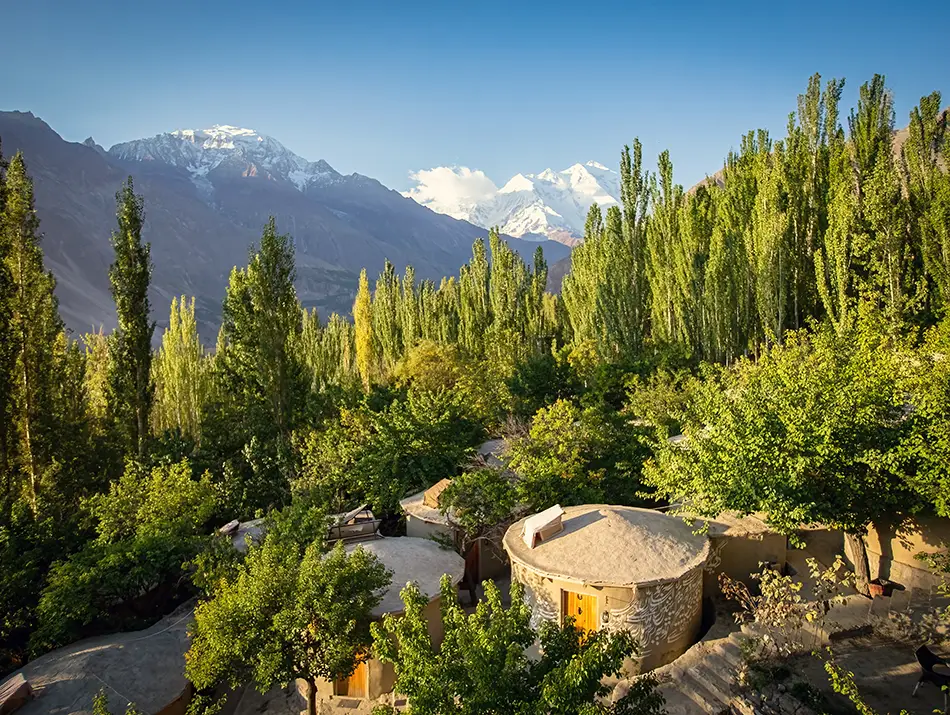
The Hunza Valley, located deep in the Karakoram Range, offers some of the most dramatic mountain scenery on the planet. In 2026, improved road infrastructure and a focus on safety have made this a standout destination. You can hike to the base camps of giants like Rakaposhi or trek across the massive, creaking glaciers that feed the Indus River.
The hospitality of the local community is famous, and the valley itself is an oasis of apricot orchards and ancient terraced fields. While the main Karakoram Highway is paved, the side roads to trailheads are often narrow dirt tracks. These routes are frequently carved directly into steep cliff faces. Hiking here requires a high tolerance for altitude and a flexible mindset, as local travel plans can be affected by weather. It remains a raw, high-stakes mountain experience for those who find more established trekking hubs too commercial.
- Accommodation: A combination of mountain lodges in the valley, village homestays, and high-quality camping setups.
- Best Season: June to September.
- Challenge Level: Strenuous. Primarily due to high altitude and rugged glacial terrain.
- Guides: Recommended and often required. For most treks involving glacier crossings or high-altitude passes, local regulations will require you to have a licensed guide.
- Wild camping: Often permitted in practice on open trekking routes. Always avoid cultivated land, ask near villages, and check zone-specific permit rules.
Hokkaido’s Daisetsuzan National Park, Japan
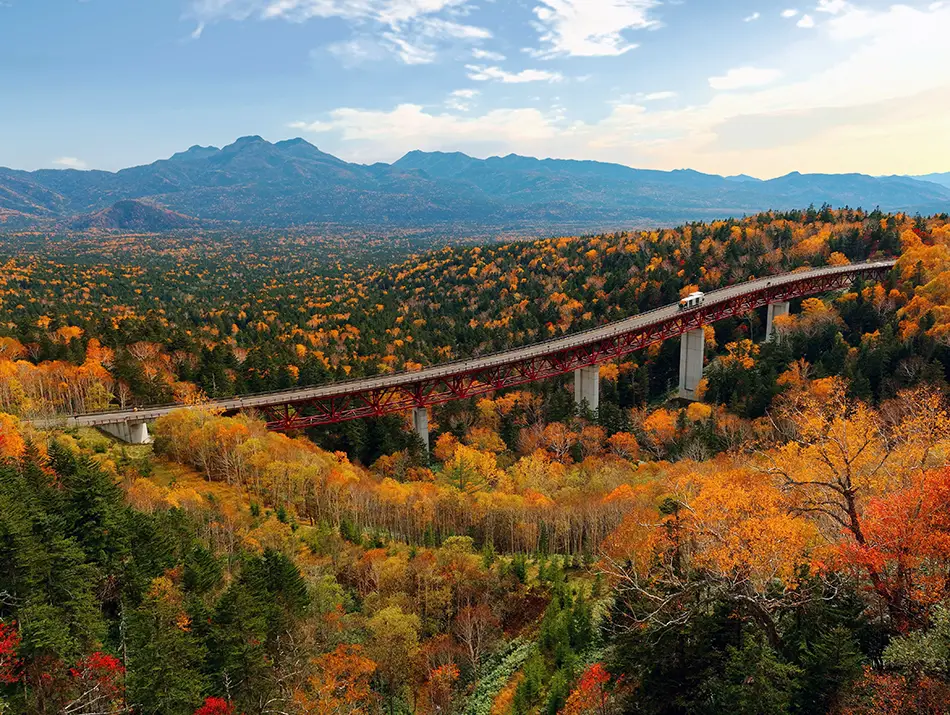
Often called “The Playground of the Gods” by the indigenous Ainu people, Daisetsuzan is the largest and wildest national park in Japan. It is a volcanic wonderland where you can hike across vast, treeless plateaus, past steaming vents, and through fields of rare alpine flowers. Unlike the more manicured trails of mainland Japan, Hokkaido offers a sense of true, untamed scale.
One of the highlights is the “adventure with an onsen” (natural hot spring) experience. Many of the multi-day routes end at remote hot-spring resorts where you can soak your tired muscles. However, the weather here is notoriously unpredictable and can turn dangerous quickly even in summer. Brown bears are also a very real presence. Hikers are encouraged to carry bear bells and follow strict food storage protocols at campsites.
- Accommodation: Designated mountain campsites and traditional onsen hotels at the trailheads.
- Best Season: July to September.
- Challenge Level: Moderate to Strenuous. Weather and navigation are the main risks.
- Guides: Not mandatory. The trail system is well-established, though hiring a guide is common for those unfamiliar with brown bear safety protocols or volcanic terrain navigation.
- Wild camping: Camping is only allowed at designated campsites, with strict rules on fires and strong bear-safety precautions.
Simien Mountains, Ethiopia
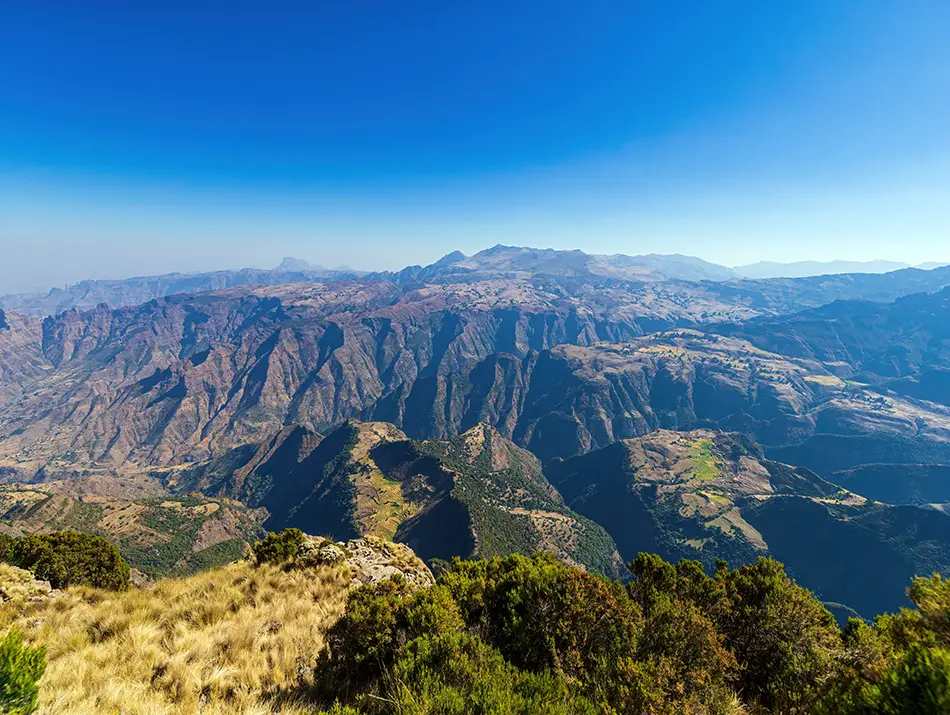
The Simien Mountains are a topographical marvel, featuring a massive plateau that has been eroded over millions of years into deep escarpments and jagged pinnacles. This place provides views that are visually distinct from any other mountain range.
Hiking here often feels like walking along the edge of the world, with drops of over 3,000 feet (915 meters) into the valleys below.
While the scenery is world-class, the infrastructure is basic. The high altitude can also be a challenge, as much of the trekking takes place above 10,000 feet (3,050 meters), leading to cold nights and thin air.
- Accommodation: Basic designated campsites with limited facilities; a few specialized eco-lodges are located in specific areas.
- Best Season: October to March.
- Challenge Level: Moderate to Strenuous due to altitude.
- Guides: You must trek with a trained, armed park scout, and a licensed guide is strongly recommended and commonly arranged through the park.
Tiwai Island, Sierra Leone

Tiwai Island is a unique rainforest sanctuary located in the Moa River. In 2025, it became part of Sierra Leone’s first UNESCO World Heritage inscription, the Gola-Tiwai Complex, which recognizes the area’s exceptional biodiversity.
This is not a mountain hike but rather an immersive trek through one of the last remaining fragments of the Upper Guinean Forest. It is a hotspot for biodiversity, home to rare pygmy hippos and eleven species of primates.
The experience is centered on slow, observant walking through dense canopy and across river systems by canoe. It is an intense sensory experience—the air is thick with humidity, and the sound of the forest is constant. West Africa remains a logistically challenging region for solo travelers, and visitors should be comfortable with tropical climates and basic local transport to reach this remote island.
- Accommodation: The sanctuary provides basic solar-powered tents on covered platforms.
- Best Season: November to April.
- Challenge Level: Easy to Moderate; the challenge is the climate rather than the terrain.
- Guides: Mandatory. To protect the delicate rainforest ecosystem and spot rare wildlife, visitors must be accompanied by a trained sanctuary guide.
The Arkaba Walk, Australia
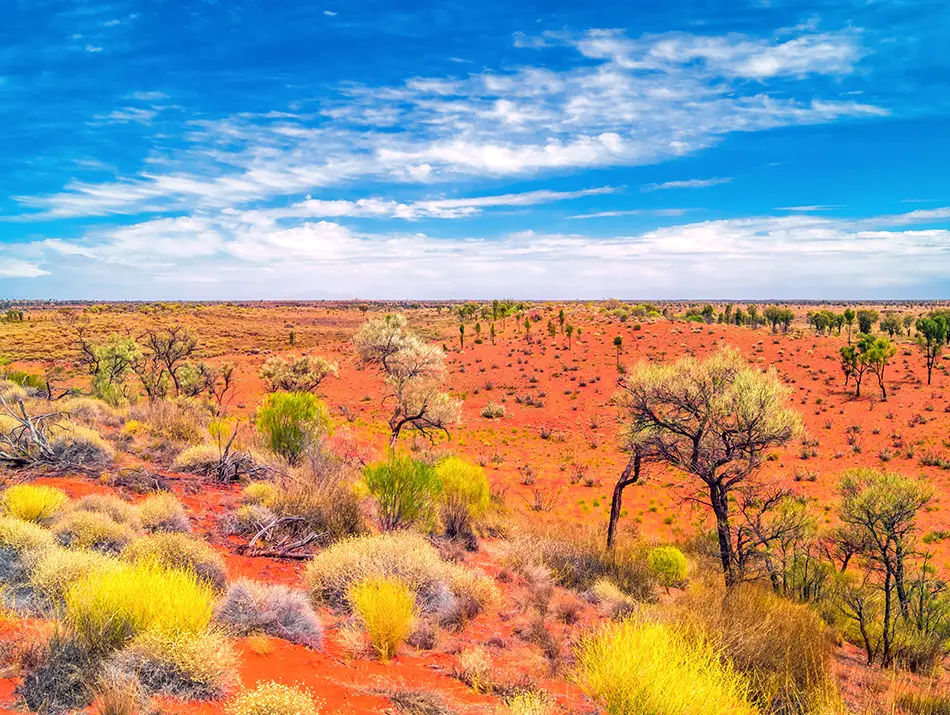
Located in the Flinders Ranges of South Australia, the Arkaba Walk is a “bushwalking” experience through 60,000 acres of private conservancy land. This represents the 2026 trend of “safari-trekking,” where the focus is shared between the physical hike and active wildlife conservation. You will walk through ancient cypress pine forests and red gum-lined creeks while learning about the 500-million-year-old geology of the Elder Range.
The scenery is classic Outback—deep red soil, rugged ridges, and abundant kangaroos and emus. Because it is a private conservancy, you won’t see other hiking groups. The downside is the cost. This is a fully catered, high-end experience that is significantly more expensive than a standard self-guided trek. It is designed for those who want to witness the raw Australian interior with professional guiding and high-quality meals.
- Accommodation: Guests sleep in “swags” (traditional canvas bedrolls) at semi-permanent bush camps, usually followed by a night in a restored 1850s homestead.
- Best Season: April to October.
- Challenge Level: Moderate.
- Guides: This is a guided-only experience.
Moving Forward on the Trail
Choosing an off the beaten path hiking destination away from the traditional tourist hubs is about more than just avoiding a crowd. It is about finding a deeper connection with the places we visit. Whether you are navigating the ancient stone-marked paths of Romania or the high-altitude plateaus of Japan, these journeys require a bit more preparation and a flexible spirit. The reward, however, is a collection of stories and sights that few other travelers will ever experience.
Exploring the world on foot remains one of the most honest ways to understand a new culture and its landscape.
As you plan your next adventure, consider stepping off the well-worn path to discover these emerging routes. For more ideas on how to make your travels more meaningful and unique, feel free to explore our other travel inspiration articles, guides, and stories from the field.