If you’re mapping out your trips for the year ahead, take a look at these new shopping destinations that are drawing travelers from all over. These spots offer fresh takes on retail, blending local culture with modern trends in ways that feel authentic and worth exploring. We focus on places where shopping goes beyond just buying things—think neighborhoods that mix history, innovation, and everyday life into the experience.
This article highlights a mix of emerging districts and flagship hubs that stand out for their unique vibes and offerings. You’ll find options for those who enjoy wandering through creative pop-ups or diving into high-tech retail spaces. Each one brings something different to the table, making them solid choices for anyone curious about global shopping scenes.
Trending Shopping Districts
Seongsu-dong, Seoul (South Korea)
Seongsu-dong sits in eastern Seoul. It has transformed from an old shoe manufacturing area into a lively hub for creative retail. You walk through converted warehouses that now house independent cafes, galleries, and fashion outlets.
What sets it apart is the constant rotation of pop-up stores from both local designers and international brands. This creates a sense of discovery on every visit.
We included it on our list because it represents trending shopping destinations where the experience feels more like exploring an art district than a traditional mall. For shopping-focused travelers, the area shines with affordable local fashion finds and Instagrammable setups. However, crowds can build up on weekends, making it harder to browse quietly.
Fun Fact: Seongsu-dong earned the nickname “Brooklyn of Seoul” due to its industrial roots and hipster appeal, much like New York’s borough.
Kokusai Dori & Shuri, Okinawa (Japan)
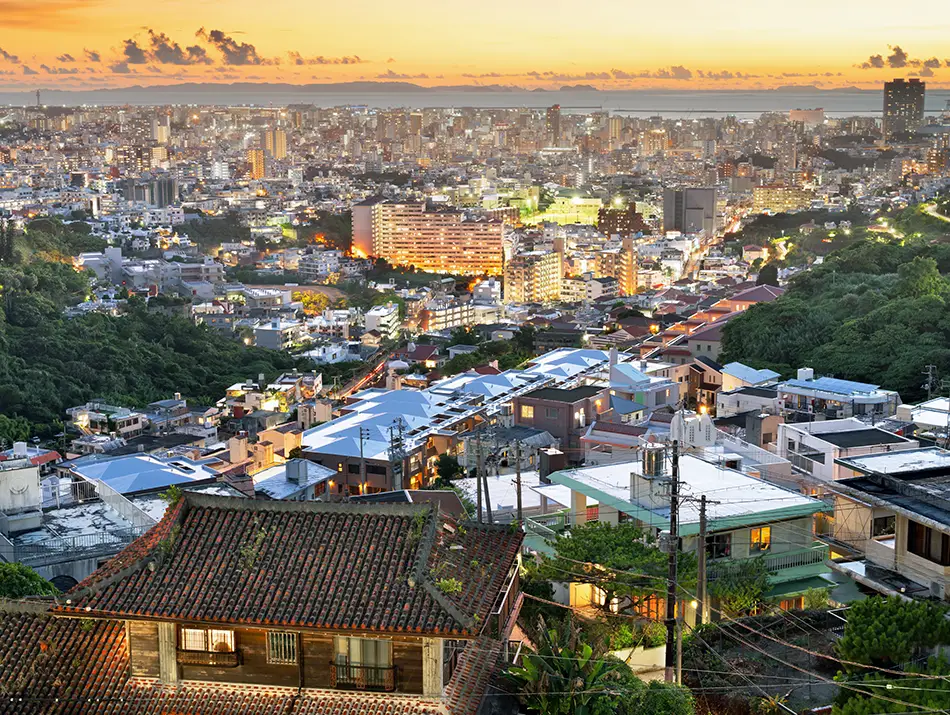
Kokusai Dori and nearby Shuri offer a slower, more tactile shopping experience shaped by Okinawa’s island geography. Shops focus on textiles, ceramics, and everyday objects made from local materials, often blending traditional techniques with contemporary forms.
Compared to mainland Japan, the atmosphere is relaxed and informal, with many workshops visible from the street. Shopping here often includes conversation with makers rather than quick transactions.
Historical Fact: Shuri Castle, a short walk from the shopping areas, served as the Ryukyu Kingdom’s royal palace until 1879. It underwent full restoration by 2026 after a 2019 fire.
The Knox District, Dallas (USA)
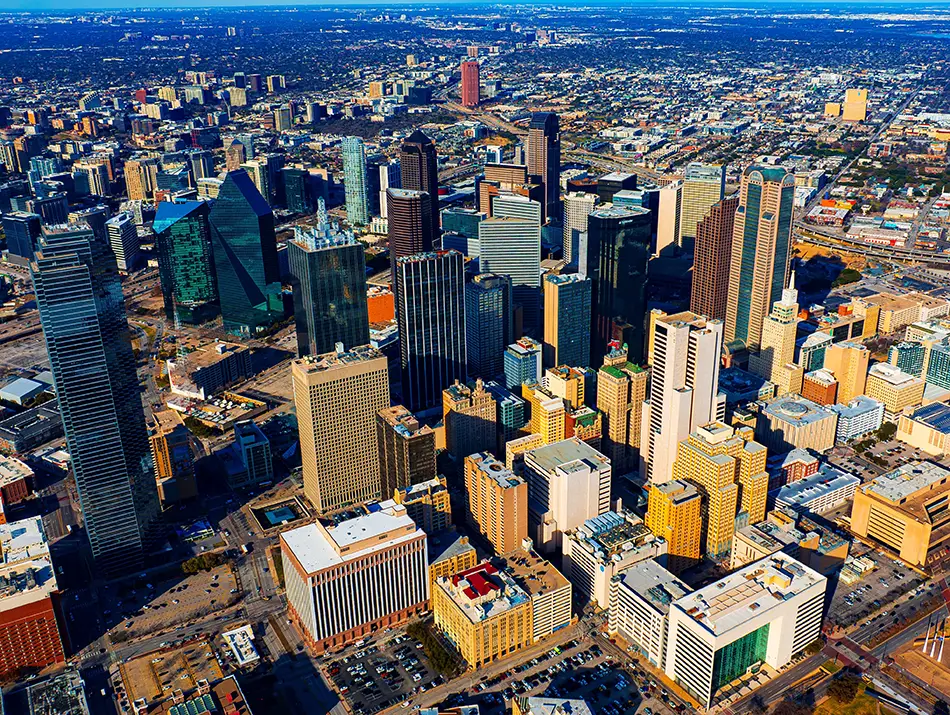
The Knox District represents a growing American shift toward “wellness retail.” Instead of enclosed malls, this compact neighborhood blends independent boutiques, fitness-oriented cafés, and green outdoor spaces along the Katy Trail. Shopping feels integrated into daily routines rather than a standalone activity.
It stands out among shopping destinations to visit in 2026 because it reflects how U.S. cities are rethinking retail density, walkability, and health-focused lifestyles.
Antwerp Fashion District (Belgium)
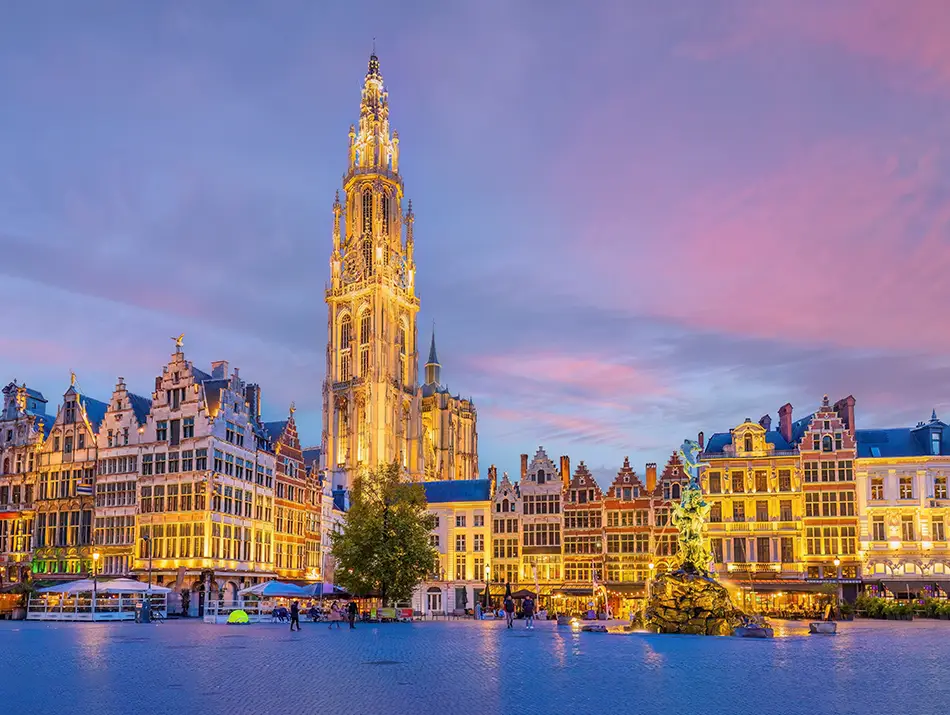
Antwerp’s Fashion District centers around Nationalestraat and nearby streets. It is home to designer ateliers and concept stores that emphasize avant-garde styles. The quiet, intellectual vibe encourages thoughtful purchases over impulse buys. It stands out for its focus on independent creators rather than big logos.
This area fits our list as a trending shopping destination due to 2026’s “Year of Fashion” celebrations marking the 40th anniversary of the Antwerp Six designers. Shopping enthusiasts will enjoy the apartment-style stores. But the high prices—often starting at $200 USD (180 euros) for basics—might limit options for budget travelers.
Avenida Presidente Masaryk, Mexico City (Mexico)
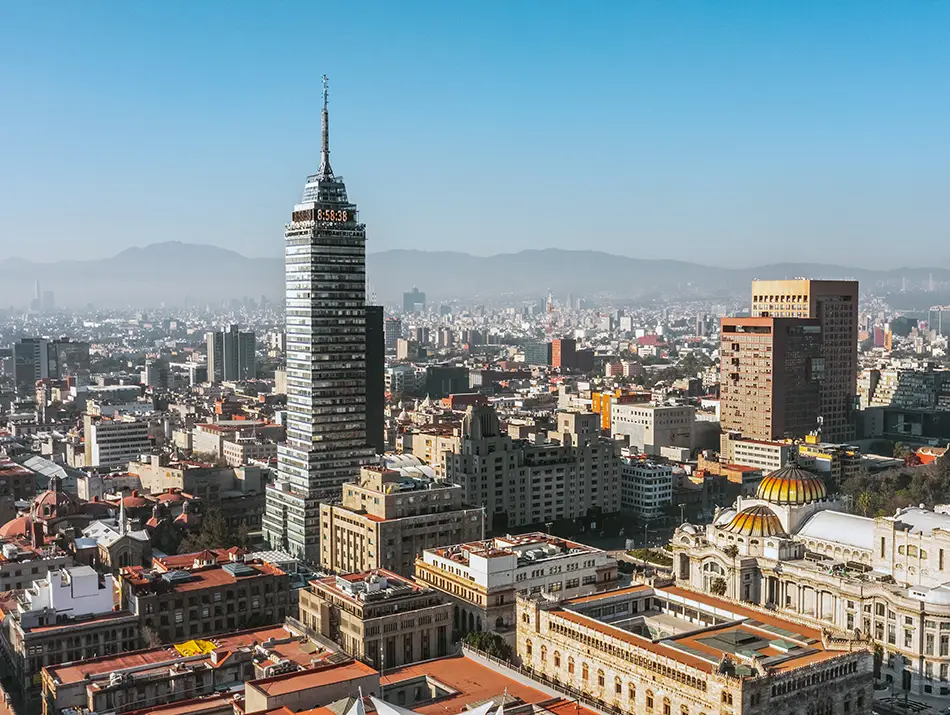
Avenida Presidente Masaryk has long been Mexico City’s luxury corridor, but its 2026 evolution is more cultural than commercial. Flagship stores now double as exhibition spaces, event venues, and community hubs. Streetwear collaborations and mural-inspired interiors are increasingly common.
The avenue made the list because it demonstrates how global brands adapt to local identity, making it one of the more dynamic emerging shopping hotspots in the Americas.
Art fact: Several flagship interiors reference Mexican muralism, using large-scale graphics inspired by Diego Rivera-era public art.
Next-Gen Flagship Hubs Worldwide
Westfield Riyadh (Saudi Arabia)
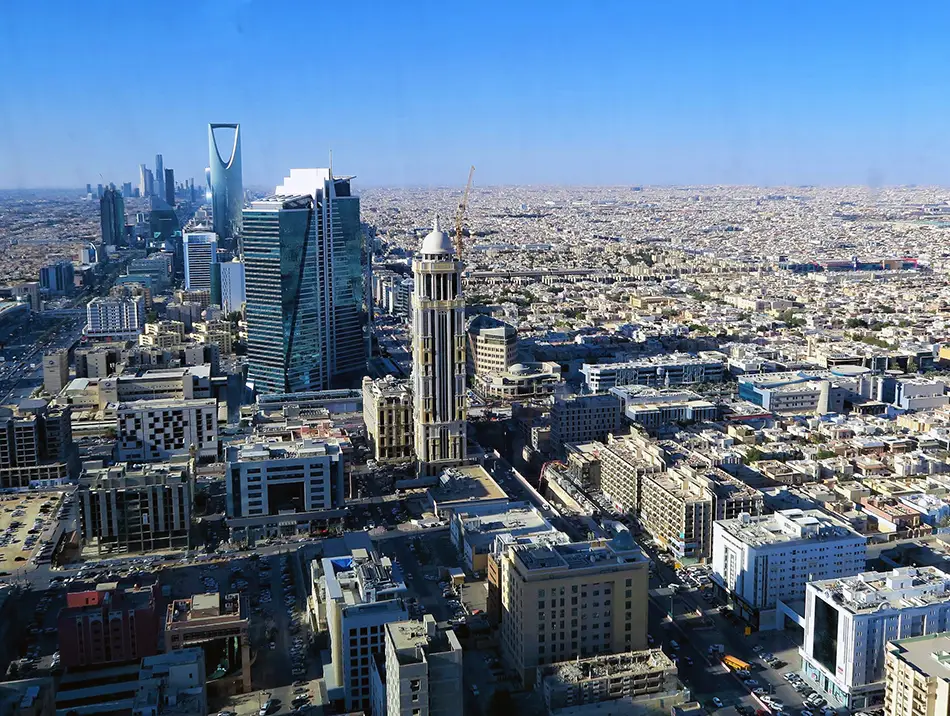
Westfield Riyadh is set to introduce a new model of large-scale retail built around climate adaptation. Scheduled to open around late-2026, the complex is designed with interconnected indoor and semi-outdoor zones that allow visitors to move comfortably throughout the space year-round.
The layout prioritizes experiential retail, where dining, leisure, and shopping overlap rather than exist as separate zones. Luxury boutiques are planned alongside entertainment venues and cultural programming, positioning the development as a place to spend time rather than simply shop once it opens.
Tech Fact: The mall includes smart features like app-integrated navigation. It sets a benchmark for Middle Eastern retail.
The Central (Northern District), Bangkok (Thailand)
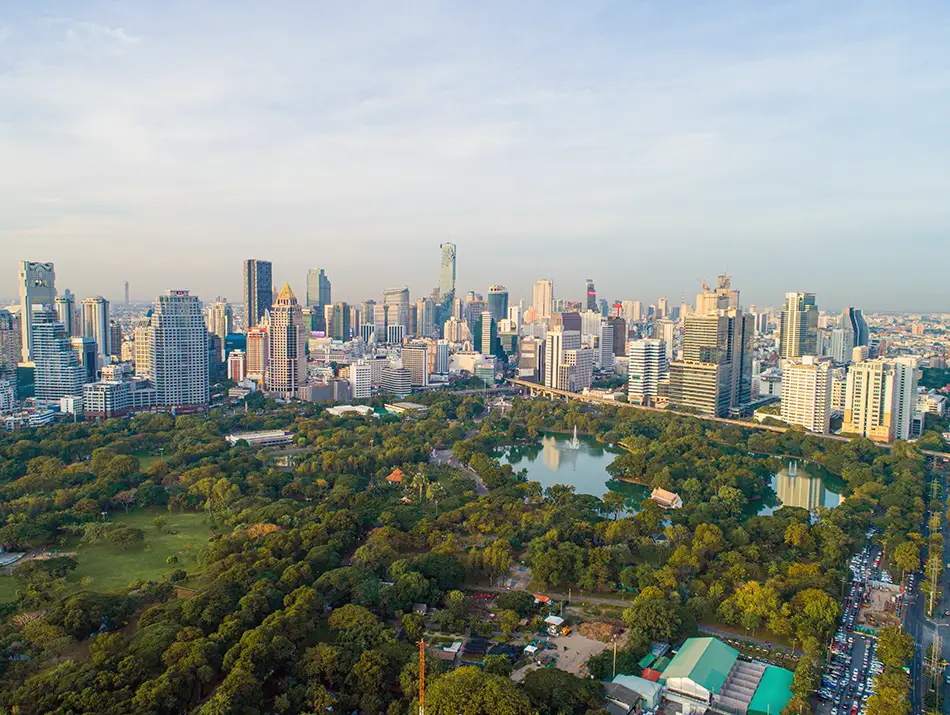
The Central’s Northern District expansion focuses on fluid, biomorphic architecture and experimental retail formats. A dedicated incubator wing allows visitors to shop directly from emerging Southeast Asian designers before they reach global markets.
It stands out among trending shopping destinations because it functions as both a mall and a fashion testing ground.
Industry fact: Designers selected for the incubator rotate every six months, keeping the retail mix constantly changing.
Plaza 66 Pavilion, Shanghai (China)
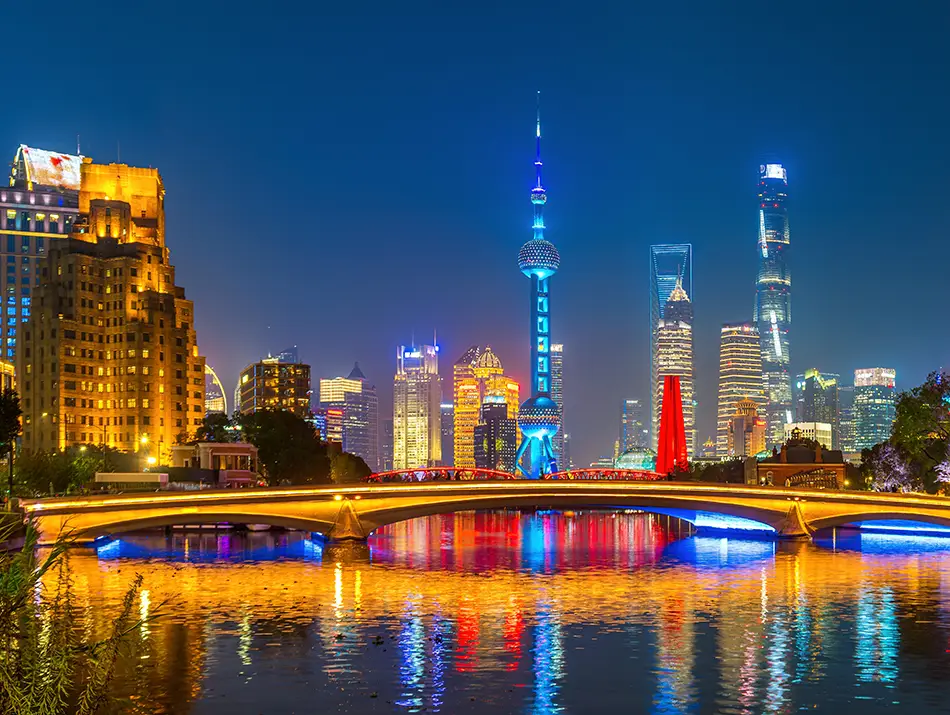
Plaza 66 Pavilion operates at the intersection of physical and digital retail. Traditional boutiques are paired with technology-enabled services, from virtual fitting to rapid customization.
The environment feels highly controlled and efficient, with shopping supported by data-driven personalization rather than browsing. For many visitors, the appeal lies in precision and convenience rather than spectacle.
Tech fact: Body-scanning booths allow shoppers to store measurements digitally and share them across multiple brands.
La Samaritaine, Paris (France)
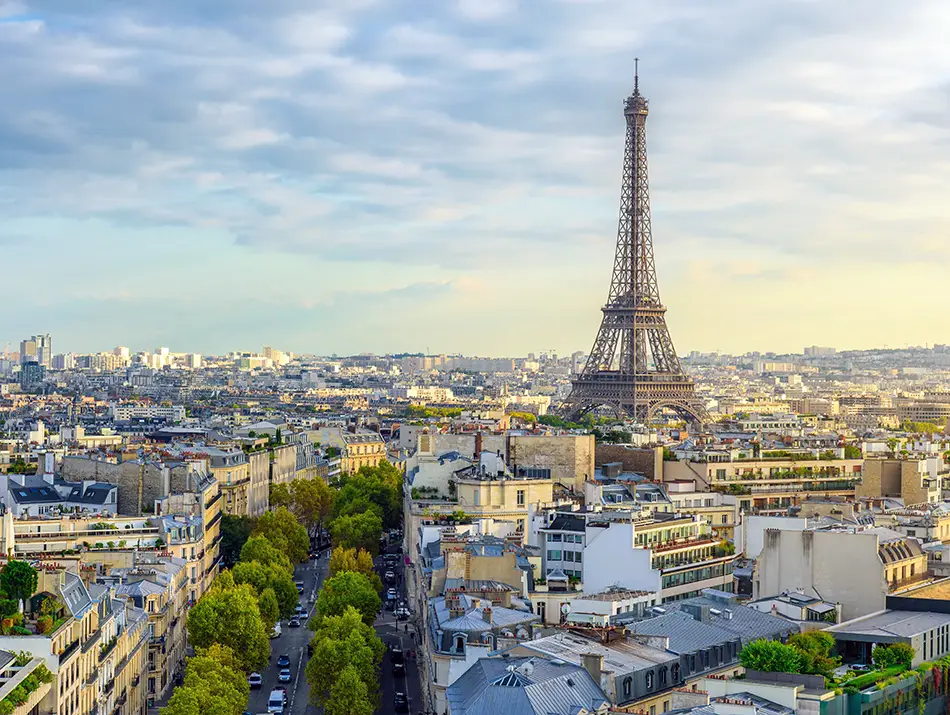
La Samaritaine now balances heritage architecture with contemporary retail practices. Alongside new collections, entire floors are dedicated to authenticated resale and restoration.
Workshops and labs are visible through glass walls, turning processes usually hidden from shoppers into part of the experience. Shopping here often feels educational, offering insight into garment longevity and craftsmanship.
Saadiyat Grove, Abu Dhabi (UAE)
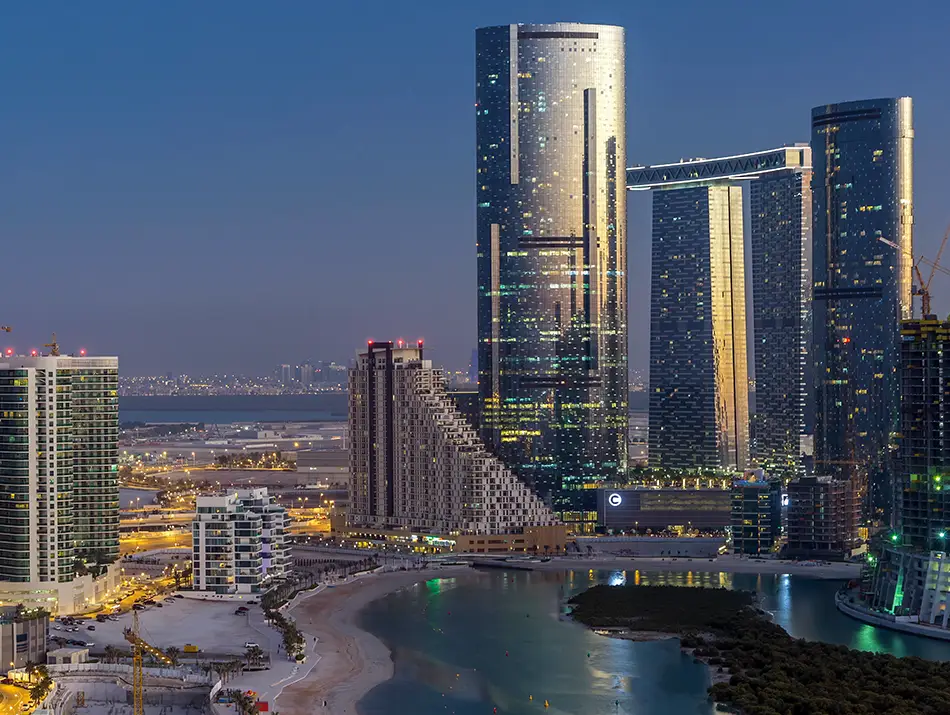
Saadiyat Grove blends retail with the surrounding museum landscape. Store concepts lean toward limited editions, art-driven design, and cross-disciplinary collaborations.
Objects are presented more like gallery pieces than products, encouraging slow engagement rather than impulse buying. Shopping becomes an extension of the cultural visit rather than a separate activity.
Art fact: Many items sold are produced in highly limited runs, often linked to temporary exhibitions nearby.
Final Thoughts
Shopping travel in 2026 is increasingly shaped by context rather than scale. From experimental neighborhoods to technologically advanced retail hubs, these places reflect how fashion, design, and commerce are evolving alongside cultural and urban change. Together, they highlight the direction in which new shopping destinations are moving, where experience, identity, and environment matter as much as what is being sold.
If these places sparked ideas, there is plenty more to discover. Explore other travel inspiration articles on Guides and Stories to see how food, design, culture, and everyday life come together in destinations influencing how people travel and shop in the year ahead.