The global dive map is shifting. Established icons still deliver, but a growing number of lesser-known regions are quietly stepping into the spotlight as new scuba destinations for 2026. These places are not defined by flashy resorts or mass tourism. Instead, they stand out for intact reef systems, lower diver pressure, and stories shaped by conservation, exploration, and changing access.
This article looks at where experienced divers and curious newcomers alike are heading next. Some locations are genuinely new to international itineraries, while others feel new because marine protection, infrastructure, or scientific attention has changed how they are dived. Alongside these emerging dive sites, a second section revisits enduring classics that continue to set the global benchmark in 2026, providing context for why the “new” spots matter.
Table of Contents
Fresh Frontiers for Underwater Exploration
The following locations represent some of the best emerging dive sites worldwide this year. Sites that are currently transitioning from “best-kept secrets” to must-visit entries on professional dive logs. While they offer incredible rewards, many are remote, meaning travel logistics can be more complex and amenities might be simpler than what you would find in a developed resort town.
Triton Bay, West Papua, Indonesia
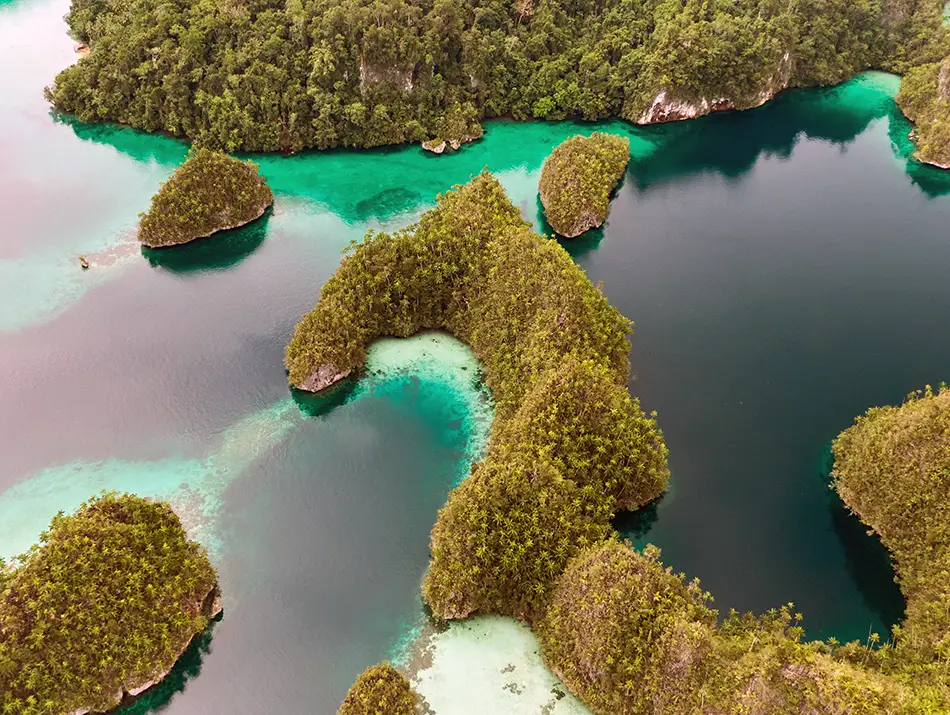
Located in the remote Kaimana Regency, Triton Bay is often called the “next Raja Ampat.” It is famous for its “soft coral capital” status, where every inch of rock seems covered in vibrant, feeding polyps.
The nutrient-rich water that fuels this growth can lead to variable visibility, which might frustrate photographers used to crystal-clear blue, but the sheer biomass makes up for it.
- Price: High (Liveaboards/Resorts approx. $380–$570 per day)
- Skills required: Intermediate to Advanced (Currents and remote safety)
- Number of dive sites: ~40
- Best Diving Season: October–April
- Water temperature: 81–86°F (27–30°C)
Farasan Banks, Saudi Arabia
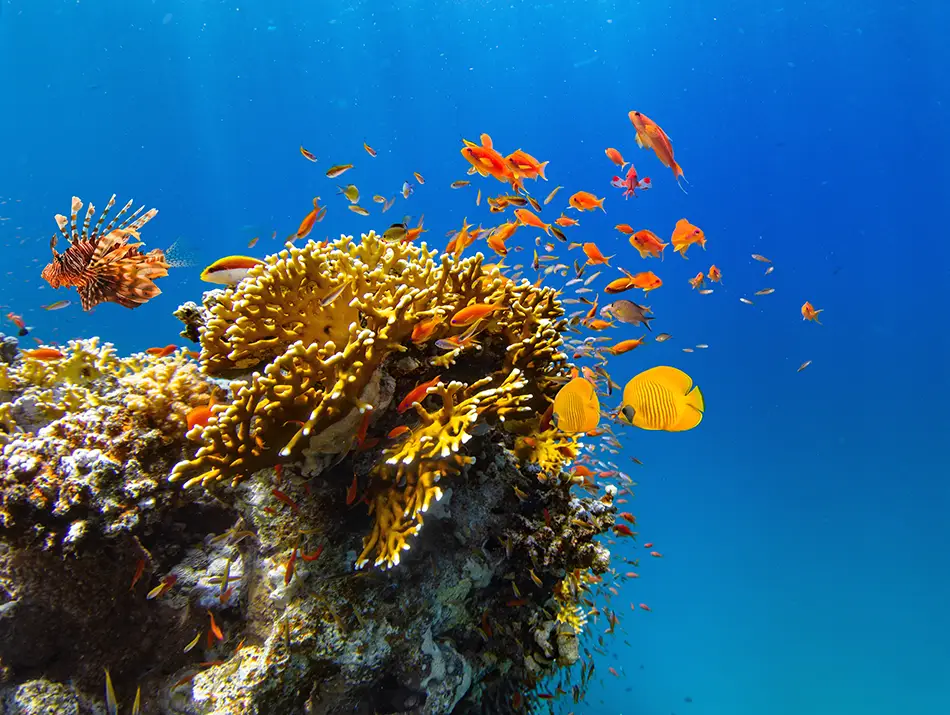
The Saudi Red Sea is opening up rapidly, and the Farasan Banks offer a glimpse into what the Red Sea looked like decades ago. This is a hidden gem diving locations pick because of its untouched reef systems and steep walls. Minimal fishing pressure has allowed fish populations to remain massive across the archipelago. However, tourism infrastructure is still in its infancy, so most diving is done via high-end liveaboards departing from Al Lith.
- Price: Mid to High (Liveaboards approx. $320–$480 per day)
- Skills required: Advanced (Deep walls and offshore conditions)
- Number of dive sites: ~35
- Best Diving Season: December–May (Best window for tiger sharks and large pelagics)
- Water temperature: 75–84°F (24–29°C)
Alonissos & Northern Sporades, Greece
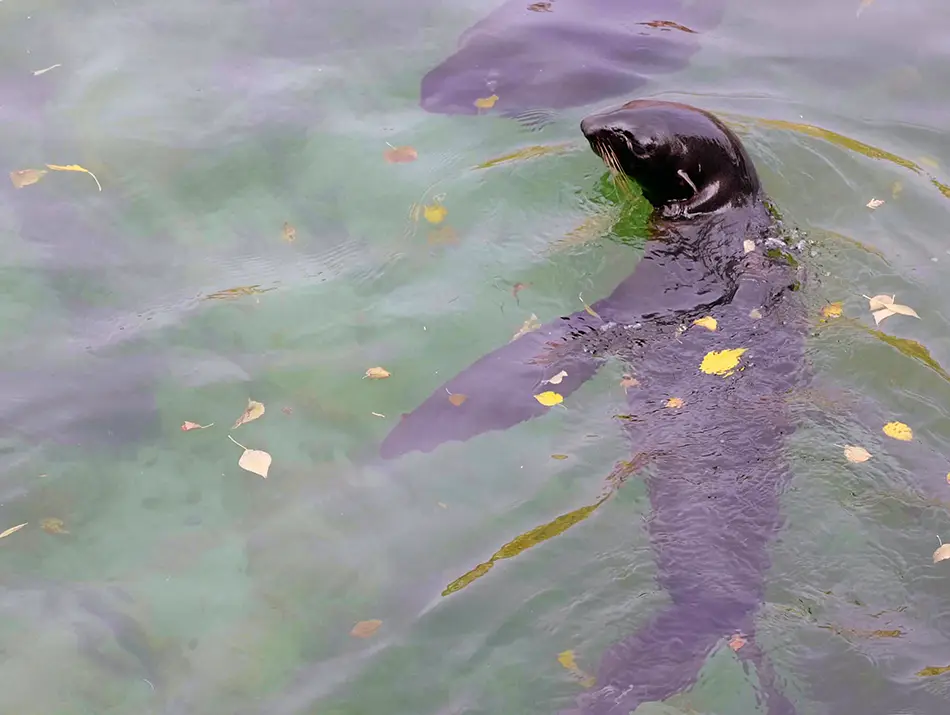
Greece has traditionally been known for clear water but limited fish life. That is changing in the Northern Sporades Marine Park, one of the largest protected areas in the Mediterranean. It is a vital habitat for the endangered Mediterranean monk seal.
While you likely won’t see a seal on every dive, the ecosystem is noticeably healthier here than in other parts of the region. The downside is the short season; outside of the summer months, the water can be quite chilly.
- Price: Mid (Single dives approx. $75–$95)
- Skills required: Any
- Number of dive sites: ~20
- Best Diving Season: June–September
- Water temperature: 64–77°F (18–25°C)
Great Sandy Marine Park, Australia
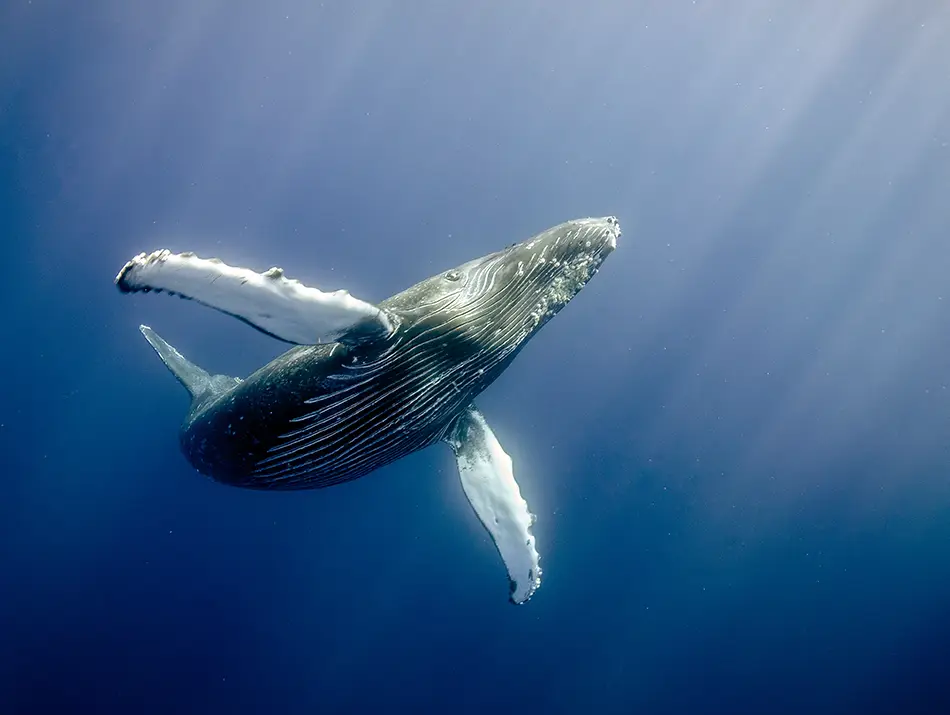
Hervey Bay is famous for whales, but the dive scene is evolving thanks to new artificial reef modules. These structures were designed to create habitat in areas that were previously sandy bottom. It’s an exciting opportunity to watch a reef grow in real-time.
Note that these are “young” reefs, so they don’t yet have the towering coral structures of the Great Barrier Reef, but the fish recruitment has been surprisingly fast.
- Price: Mid to High (Two-tank boat dives approx. $190–$240)
- Skills required: Any
- Number of dive sites: ~20
- Best Diving Season: June–October (Whale migration season and best underwater visibility)
- Water temperature: 68–79°F (20–26°C)
Tofo, Mozambique
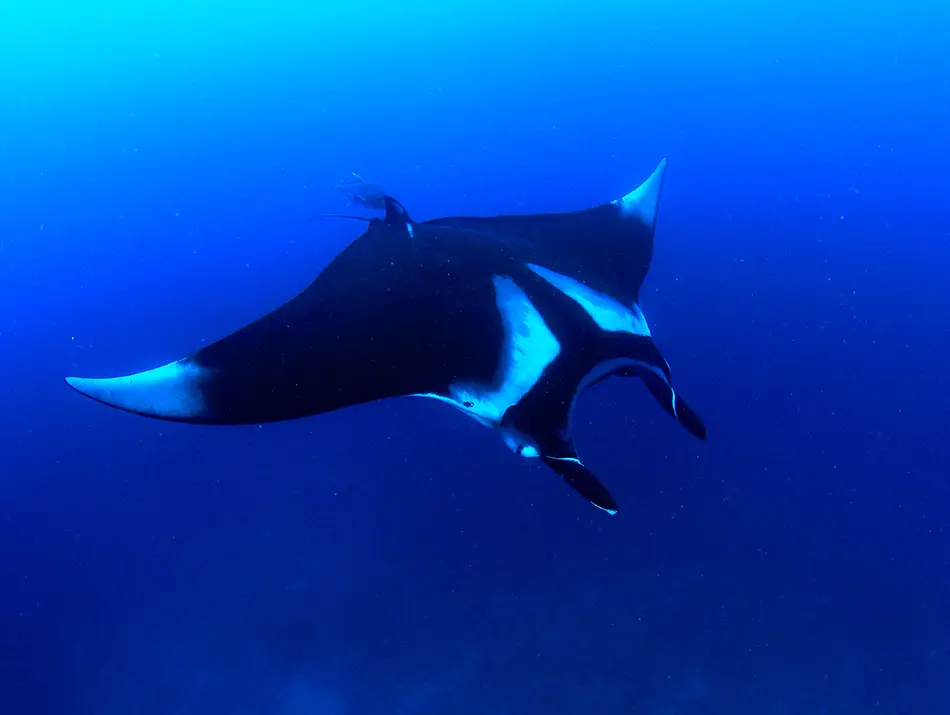
Tofo is a heavy-hitter for megafauna. If you want to see manta rays and whale sharks in the same afternoon, this is the place. It is a rugged, adventurous destination; boat entries involve “surf launches,” where the boat is pushed into the waves from the beach. It is an exhilarating start to the day, but it might be intimidating for those who prefer a calm pier departure.
- Price: Low to Mid (Single dives approx. $55–$70)
- Skills required: Intermediate (Deep dives and drift)
- Number of dive sites: ~30
- Best Diving Season: June–September (Humpback whales) and October–March (Whale sharks)
- Water temperature: 72–82°F (22–28°C)
Tuamotu Archipelago, French Polynesia
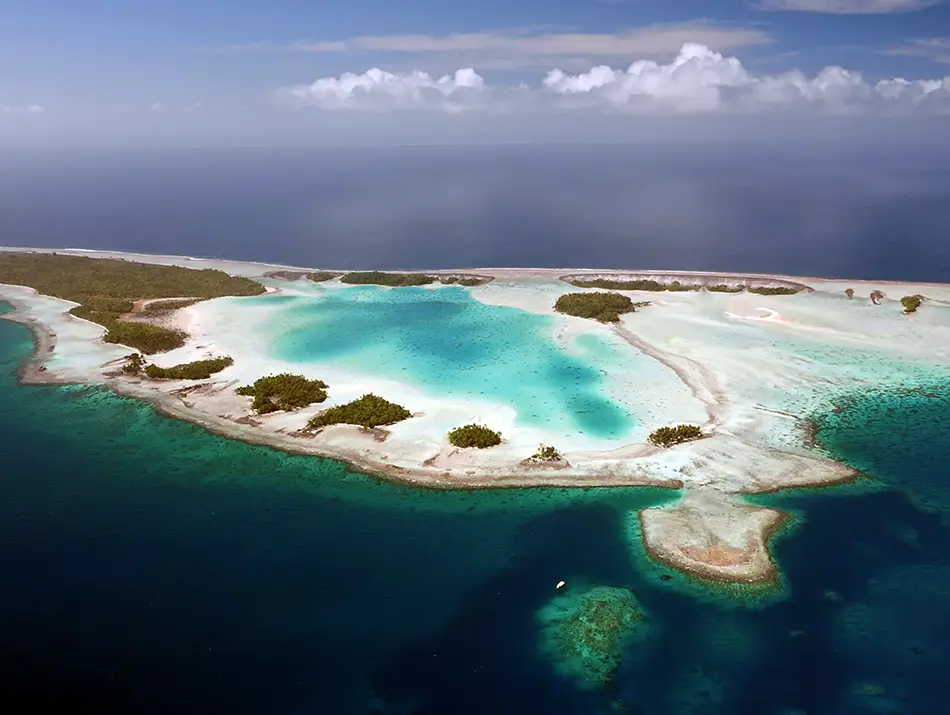
Pass diving in the Tuamotus is not new, but in 2026 it is framed increasingly by conservation and low-impact travel. This shift places the region firmly among trending diving sites, especially for divers seeking structured, well-managed ecosystems.
Strong currents and precise timing define the experience. These dives reward preparation but can be demanding for less experienced divers.
- Price: High (Single dives approx. $110–$145)
- Skills required: Advanced (Strong current management)
- Number of dive sites: ~30
- Best Diving Season: May–October (dry season with more consistent weather)
- Water temperature: 77–82°F (25–28°C)
The Gold Standard Classics
While searching for trending diving spots in 2026, don’t overlook the icons. These destinations have earned their reputations through decades of consistent, high-quality underwater experiences. They are well-equipped with professional dive centers, decompression chambers, and a variety of accommodation levels.
Raja Ampat, Indonesia
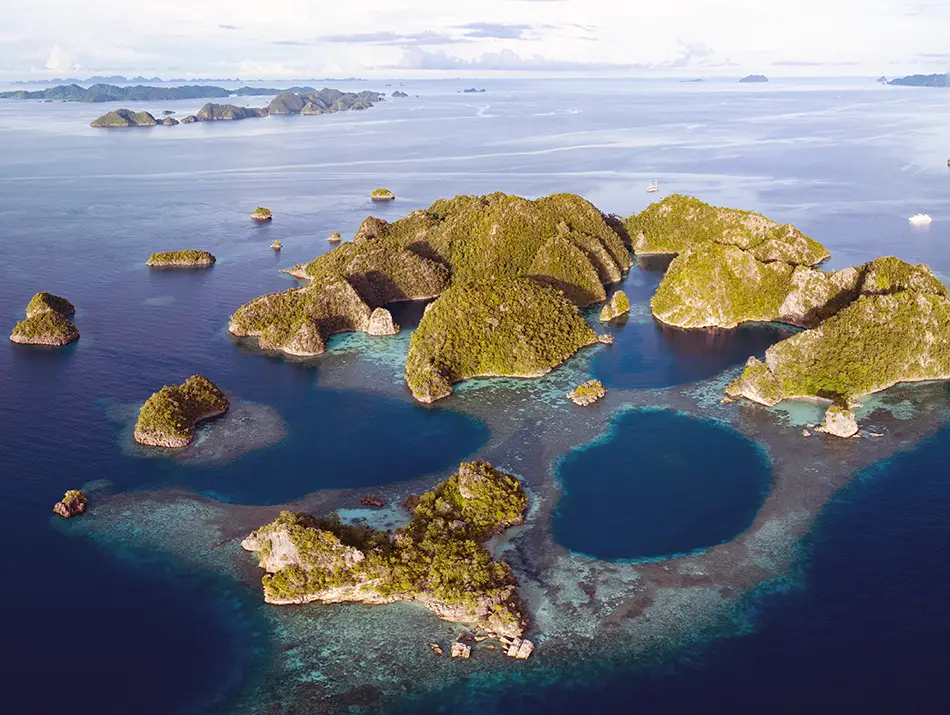
Raja Ampat is the global heart of biodiversity. You will see more species of coral and fish here than almost anywhere else on Earth. The main challenge is the sheer size of the region; you have to choose between the north or the south if you aren’t on a long liveaboard.
- Price: High
- Skills required: Intermediate
- Number of dive sites: ~200
- Best Diving Season: October–April
- Water temperature: 82–86°F (28–30°C)
Galápagos Islands, Ecuador
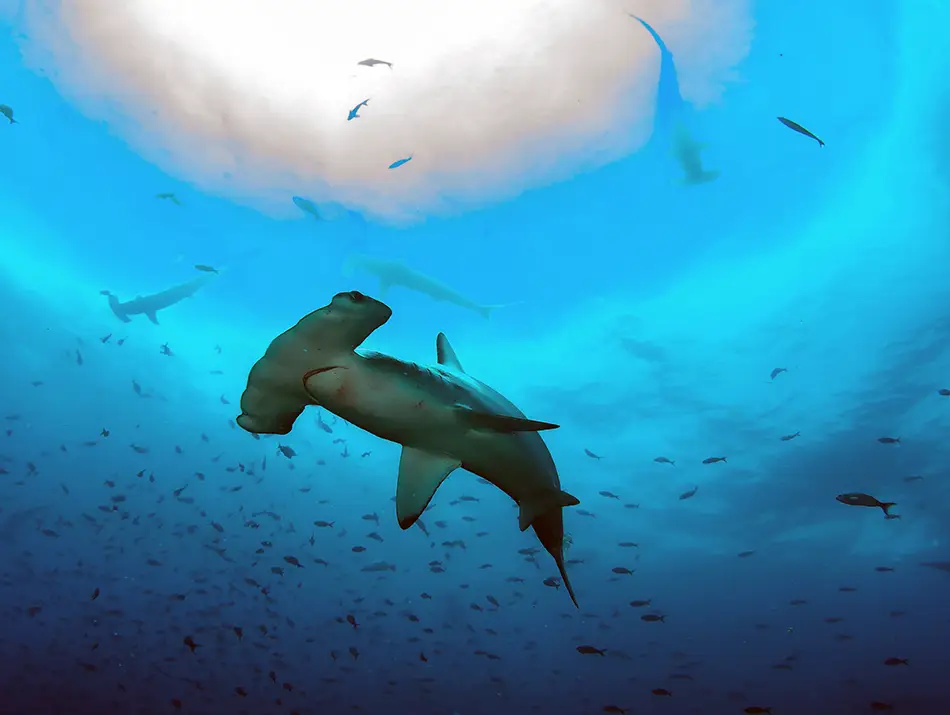
This is “big animal” territory. Schooling hammerheads, Galápagos sharks, and even penguins are the norm. However, the water is cold and the surge can be powerful. This is not a place for a relaxed, easy-going reef cruise; it is a wild, high-energy environment.
- Price: High
- Skills required: Advanced
- Number of dive sites: ~50
- Best Diving Season: June–October (strongest hammerhead presence)
- Water temperature: 64–82°F (18–28°C)
Palau, Micronesia
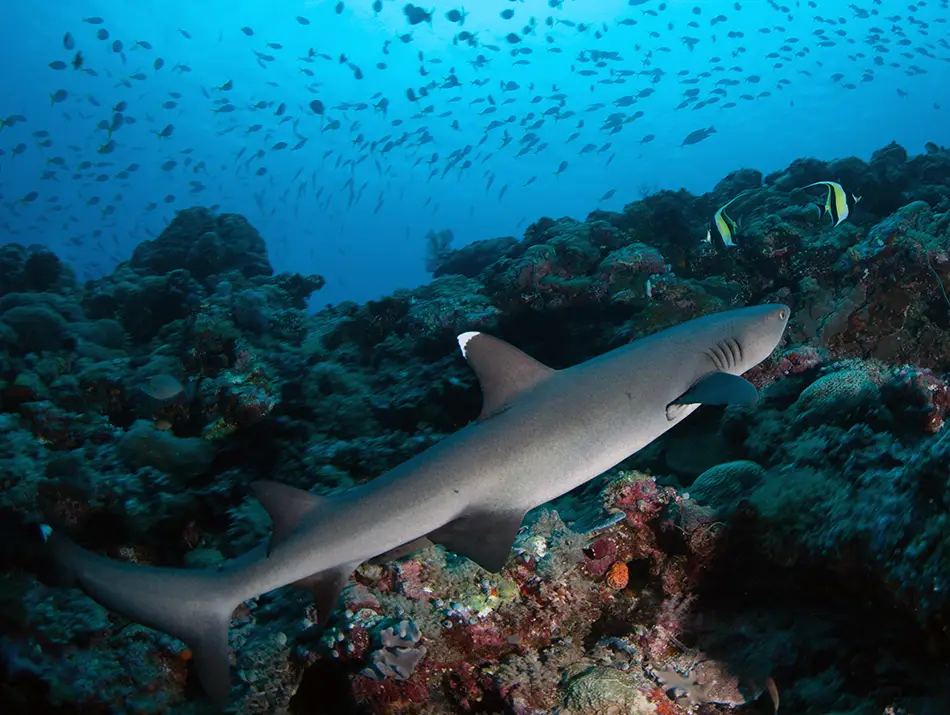
Palau earned its legendary status through high-voltage drift diving at Blue Corner, where you use a reef hook to hang in the current as dozens of sharks patrol the ledge. The variety is staggering, ranging from the manta cleaning stations of German Channel to the cavernous light displays inside Blue Holes and coral-cloaked World War II wrecks.
- Price: High
- Skills required: Intermediate to Advanced
- Number of dive sites: ~60
- Best Diving Season: December–March (Most stable weather and high visibility)
- Water temperature: 81–84°F (27–29°C)
The Maldives
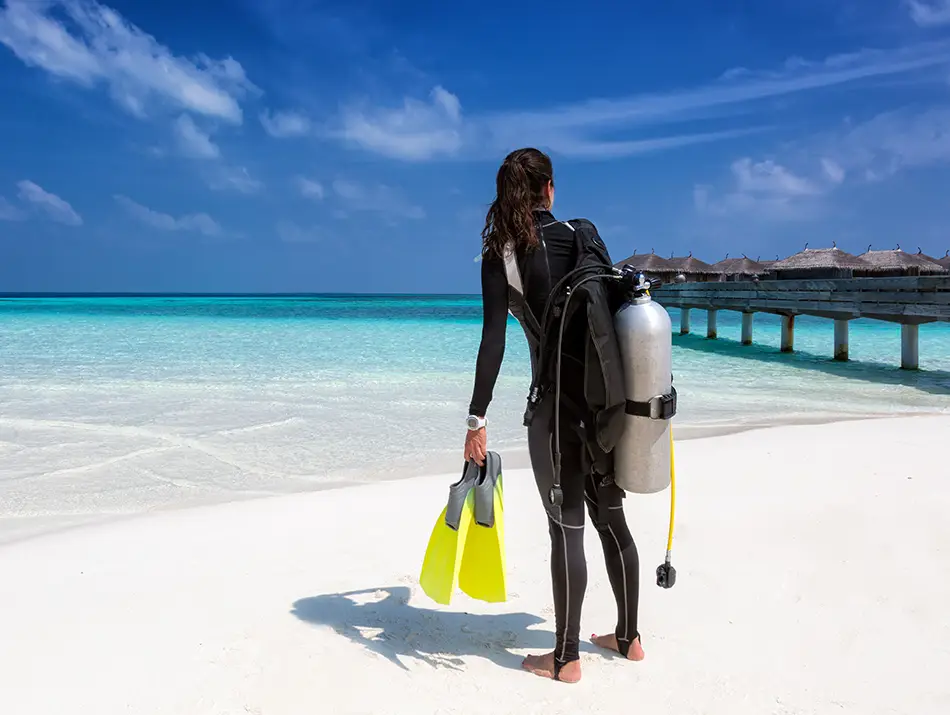
With its iconic ring-shaped reefs called atolls, the Maldives is the ultimate “easy” luxury dive trip. The main attraction is the channel diving, where currents bring in sharks and rays. Visibility is usually excellent, though the coral bleaching events of recent years have affected some shallow reefs.
- Price: Mid to High
- Skills required: Any (Atoll-dependent)
- Number of dive sites: 1,000+
- Best Diving Season: December–April (calmer seas and typically strongest visibility)
- Water temperature: 80–86°F (27–30°C)
Socorro Islands, Mexico
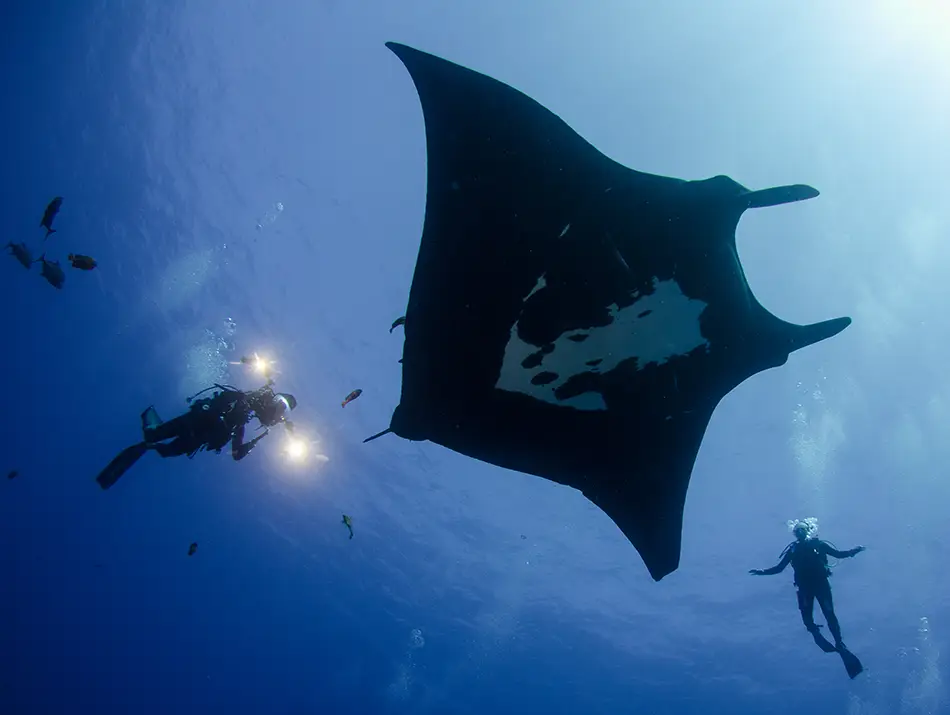
Socorro is a rugged, offshore destination for experienced divers seeking large pelagics like schooling hammerheads and oceanic manta rays.
Reaching these volcanic seamounts requires a 24-hour crossing through potentially rough open seas, meaning you are restricted to the vessel for the entire 8 to 10-day trip. While the marine life density is world-class, the environment is physically demanding, featuring strong currents, deep blue-water safety stops, and visibility that can drop unexpectedly due to nutrient-rich upwellings.
- Price: High
- Skills required: Advanced
- Number of dive sites: ~15 key pinnacles
- Best Diving Season: November–May (The only period liveaboards operate due to safe sea conditions)
- Water temperature: 70–82°F (21–28°C)
Egypt’s Red Sea
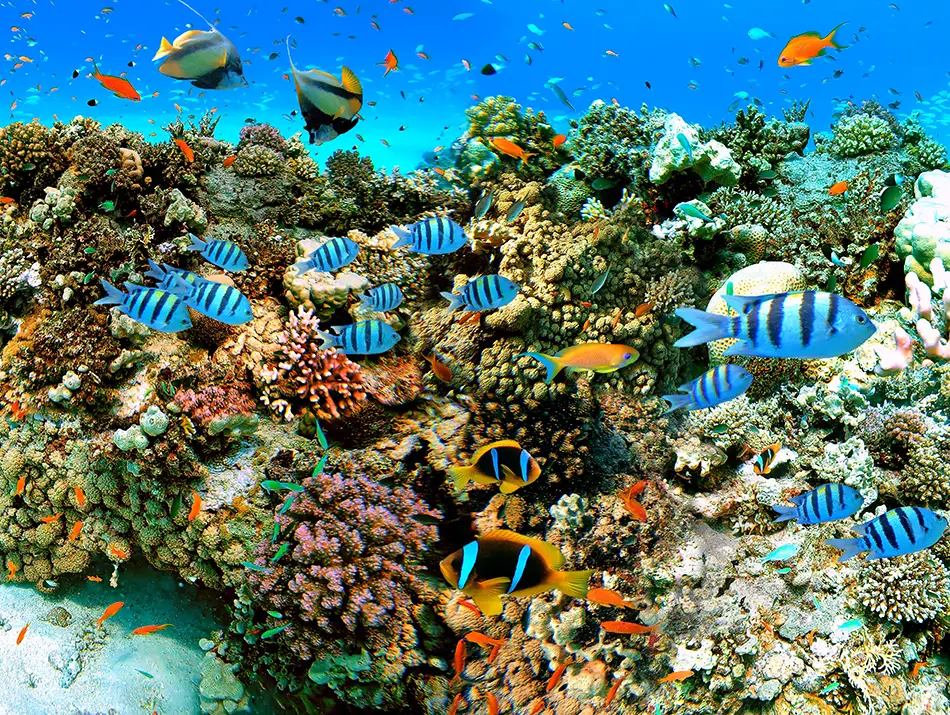
Egypt remains the most accessible world-class diving for European travelers. From the deep wrecks of the north to the shark-heavy “Brother Islands” in the south, the variety is unmatched. Dahab offers a unique shore-diving culture, though some sites can get quite crowded during peak holiday weeks.
- Price: Low to Mid
- Skills required: Any
- Number of dive sites: ~200
- Best Diving Season: March to May and September to November (Ideal balance of air/water temps)
- Water temperature: 70–82°F (21–28°C)
Planning Your Diving Journey in 2026
Choosing between a new frontier and a classic often comes down to your comfort level with travel logistics. The emerging spots offer a sense of discovery that is hard to find elsewhere, but they often require more time and a higher budget for transport. If you prefer a seamless experience with plenty of topside amenities, the classics are still top of their game for a reason.
Whichever path you choose, 2026 is shaping up to be a year where the focus is firmly on the health and protection of these blue spaces. By visiting these areas, you are often contributing to the local economies that protect them. Always check current entry requirements and marine park fees before you fly, as conservation taxes are becoming more common in protected regions.
For more travel inspiration and expert guides for your next adventure click here