This guide is based on multiple visits to Mui Ne, including several winters spent there, and was last updated in March 2026. It shares 9 practical tips to help make your visit smoother and more rewarding.
Mui Ne is one of the most distinctive beach destinations in southern Vietnam. Known for its strong coastal winds, sand dunes, fishing villages, and growing kitesurfing scene, the town attracts a wide mix of travelers—from backpackers and road-trippers to wind sports enthusiasts. But Mui Ne works a little differently than many typical beach resorts, and understanding a few practical details before arriving can significantly improve your experience.
These Mui Ne travel tips cover the things many guides barely mention: how the seasonal winds affect beach time, when local life actually happens, what small scams to watch for, and how to explore the area properly. Knowing these details will help you avoid common mistakes and experience the destination the way locals and long-term travelers do.
If you are still planning your itinerary, you may also want to start with our guide to the Best Things to Do in Mui Ne, which covers the main attractions such as the sand dunes, Fairy Stream, fishing village, and coastal viewpoints. Once you know what to see, the tips below will help you experience them in the best possible way.

Table of Contents
Mui Ne Travel Tip 1. Understand the Seasons Before You Plan
The first thing many travelers misunderstand about Mui Ne is the climate. The weather here does not simply alternate between “good” and “bad.” Instead, different seasons favor different activities.
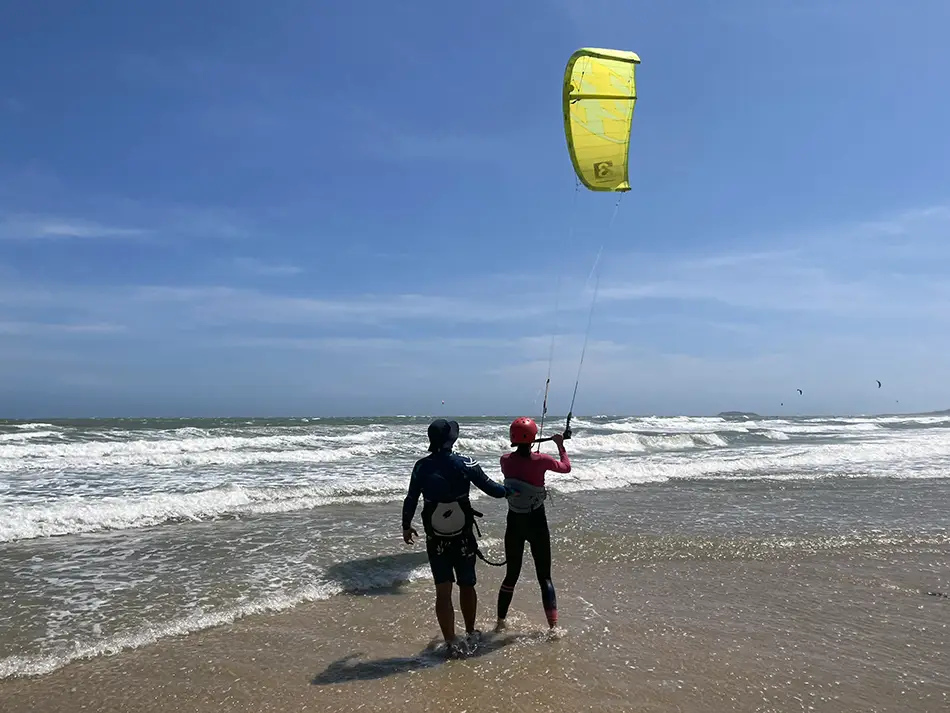
The dry season, roughly November to April, is the period when the coastal winds are strongest. Days are generally sunny, humidity is lower than in southern Vietnam’s cities, and the wind coming from the sea keeps temperatures more comfortable. However, these same winds can make swimming less pleasant, especially in the afternoon when the sea becomes choppy.
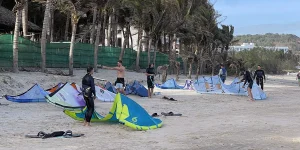
For kitesurfing lessons, this is the best time to visit Mui Ne. The steady wind conditions are the reason the destination became globally known among kitesurfing communities. Even if you are not practicing the sport yourself, the beaches dotted with colorful kites can be an interesting spectacle.
The hotter months, roughly May to August, bring calmer seas. Winds weaken and the water becomes better for swimming and relaxed beach time. Temperatures rise and humidity increases, so expect hotter afternoons, but the ocean becomes noticeably smoother.
The wet season, usually September to October, is often misunderstood. Many travelers assume constant rain, but in reality rain showers are usually short and intense rather than continuous. The rest of the day can still be bright and warm. For exploring inland attractions such as the dunes or Fairy Stream, this period can actually be quite comfortable.
In short, choosing the right season depends on your intention: wind sports in the dry season, swimming in the calmer summer months, and sightseeing during the transitional periods.
Tip 2. Wake Up Early to See Real Local Life
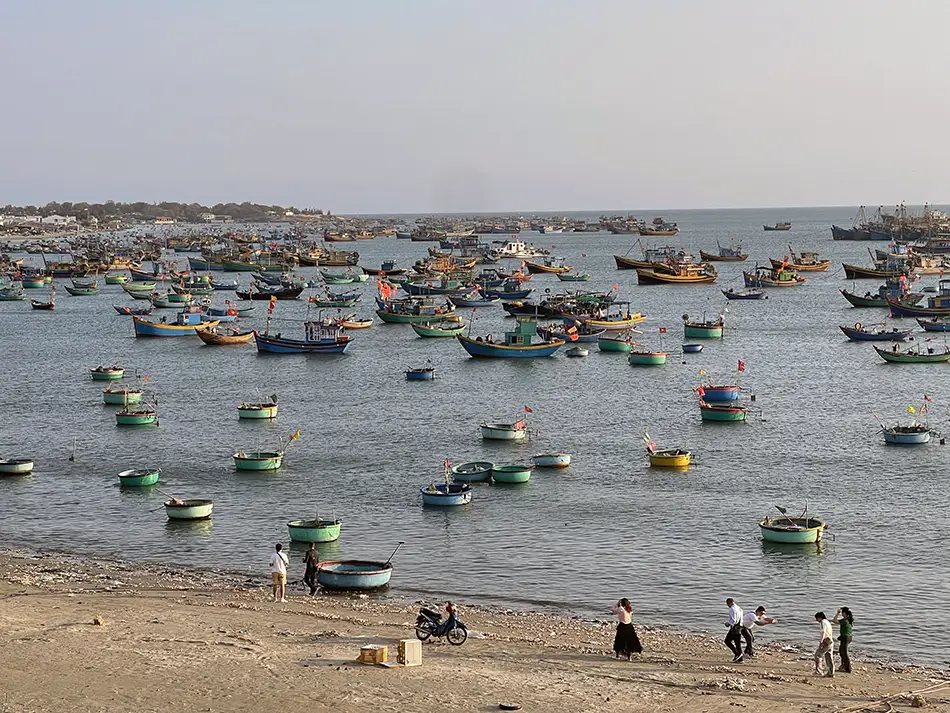
Mui Ne operates on an early schedule. The most active moments of the day often happen around sunrise, when fishermen return from the sea and markets open.
At the Fishing Village, boats gather offshore in the early morning as crews unload their catch. Small round basket boats shuttle fish from larger vessels to the beach, creating one of the most distinctive coastal scenes in Vietnam.
In Ham Tien Market, vendors set up early and locals arrive to buy seafood, vegetables, and breakfast dishes before the day heats up.
Morning is also when you will see children heading to school in their uniforms and local families beginning the day’s routines.
Many travelers miss these moments because they wake up late after spending evenings at beach bars or restaurants. Yet if you want to understand the rhythm of the place, sunrise is the best time to explore.
Tip 3. Watch Out for Coconut Sellers and Market Hustles
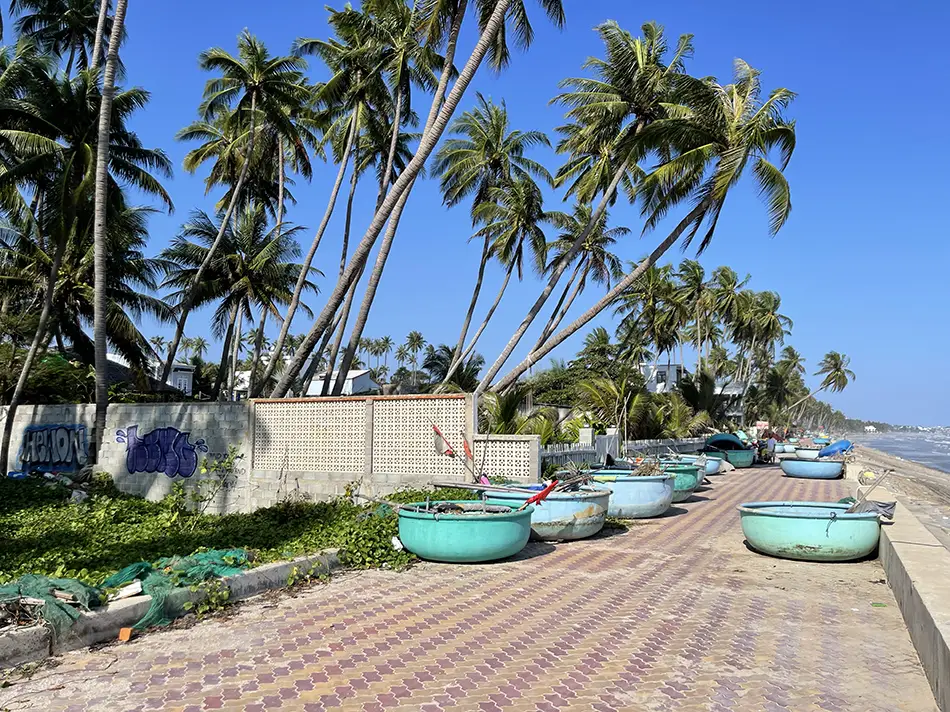
Mui Ne is generally relaxed and safe, but like most tourist areas in Southeast Asia, a few small scams exist.
Two of the most common involve coconut sellers on the beach and seafood vendors at local markets.
On beaches, mobile coconut sellers may approach tourists offering freshly cut coconuts. The issue is rarely the coconut itself but the price negotiation afterward.
On several visits to Mui Ne I repeatedly saw coconut sellers quote extremely high prices to tourists. If you don’t ask the price in advance, you may end up paying up to ten times the normal market price for something as simple as a coconut. Always confirm the price before accepting.
At local seafood markets, a similar situation sometimes occurs. Vendors may encourage tourists to take photos, taste something, or inspect seafood before quoting a price. Occasionally the weight or cost becomes inflated once the transaction begins.
The solution is simple: treat it like any market purchase. Ask the price clearly beforehand and do not hesitate to decline if it feels unreasonable.
Tip 4. Dress Respectfully When Walking Through Town
Mui Ne is a beach destination, and many travelers walk around in swimwear or minimal clothing along the resort strip.
However, it is important to remember that the town is also a normal Vietnamese community. Along the main road you will pass primary schools, local shops, and residential neighborhoods.
Children in Vietnam attend school in uniforms and are raised with a strong emphasis on discipline and respect. Walking through these areas nearly naked—something some beach tourists occasionally do—can be perceived as disrespectful.
Light clothing is perfectly acceptable in the tropical climate, but simply covering up slightly when leaving the beach helps maintain good relations with the local community.
Tip 5. Rent a Scooter for the Best Experience
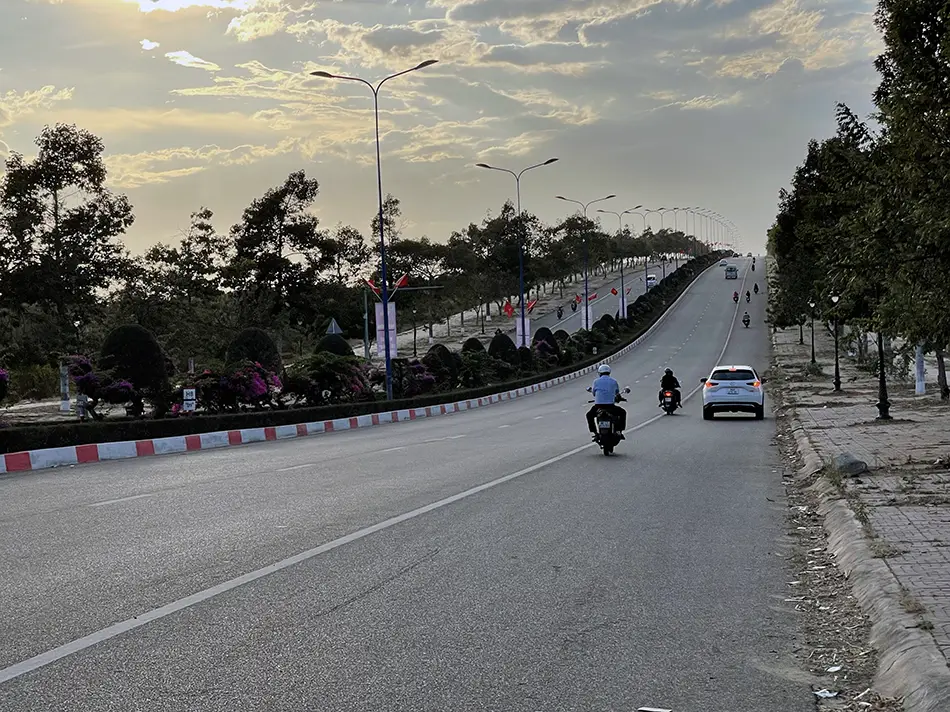
After exploring Mui Ne several times by scooter, I found it by far the easiest way to reach the dunes, fishing village, and quieter beaches. Distances between attractions are longer than many travelers expect. Public transport is limited, and taxis can become expensive if used repeatedly.
With a scooter, you gain the freedom to explore at your own pace.
However, there is an important legal detail: Vietnamese police regularly check foreign riders for an International Driving Permit (IDP). Enforcement has become stricter in recent years, especially in tourist areas.
Without a valid license, you risk fines and potential issues if an accident occurs.
Electric scooters that technically do not require a license are slowly appearing in Vietnam, but they are still uncommon in Mui Ne. Most rental shops offer standard motorbikes.
If you ride, follow basic precautions: wear a helmet, drive defensively, and avoid riding at night if you are unfamiliar with local traffic patterns.
>> For more details, see our guide on renting a motorbike in Mui Ne.
Tip 6. Avoid Weekends if You Prefer a Calm Atmosphere
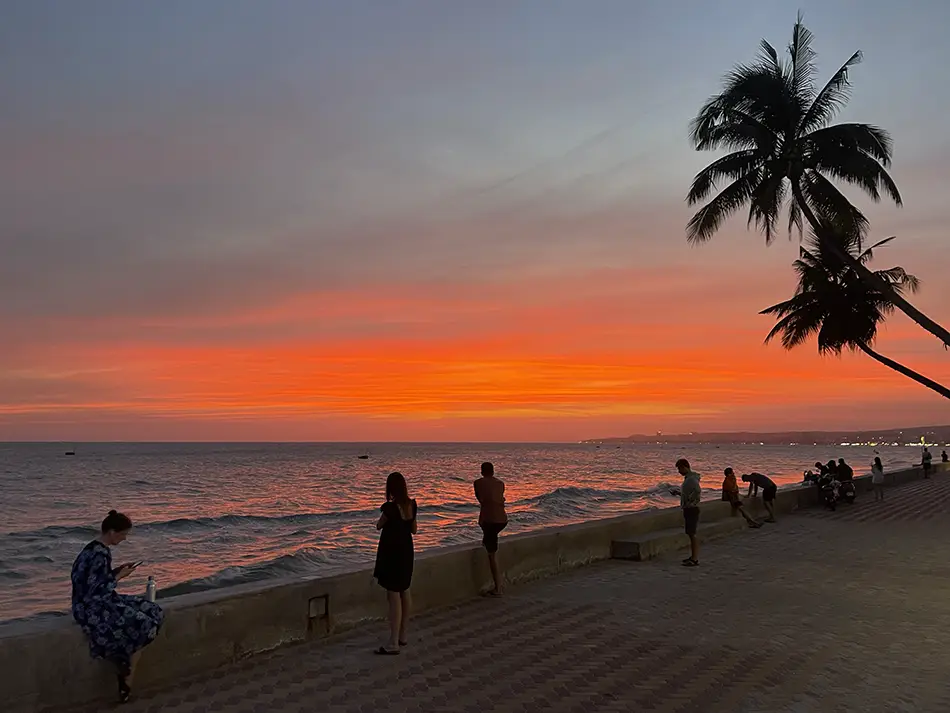
For many international travelers, Mui Ne feels like a quiet coastal destination. But on weekends and Vietnamese holidays, the atmosphere changes significantly.
Domestic tourism from Ho Chi Minh City has grown rapidly since the opening of the Dau Giay–Phan Thiet Expressway, which shortened the drive to around 2.5–3 hours. During peak summer months, this can mean crowded beaches, busy restaurants, and heavier traffic along the main coastal road.
If you prefer a quieter experience, weekday visits are noticeably calmer. Hotels are easier to book, restaurants are less busy, and the beaches return to the laid-back atmosphere that originally attracted travelers to the area.
Tip 7. Visit Phu Quy Island While You Are Here
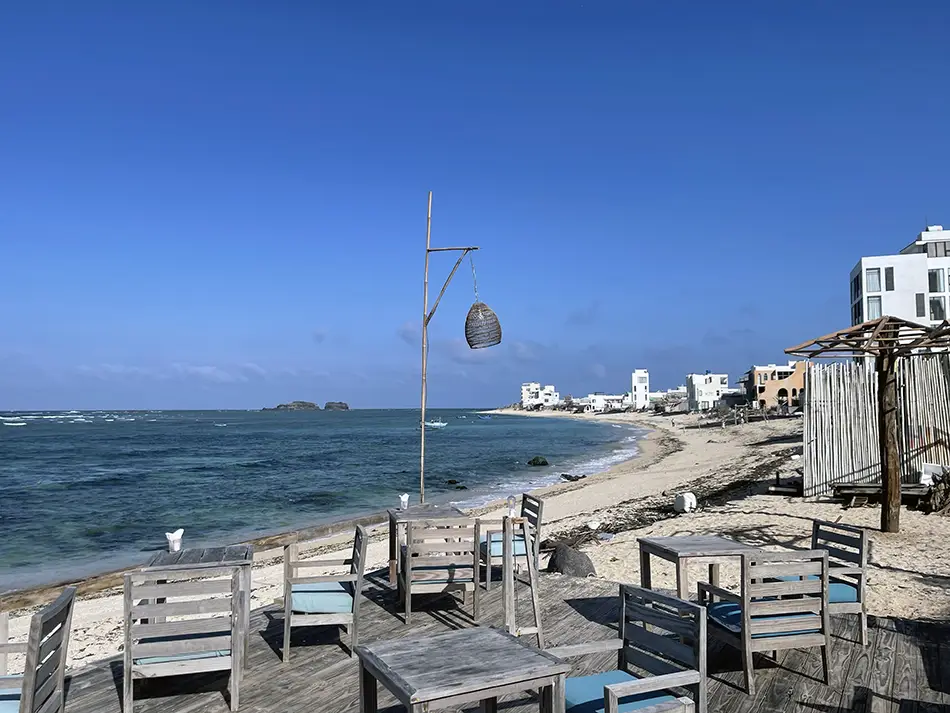
One of the most overlooked experiences near Mui Ne is a trip to Phu Quy Island, a small volcanic island located about 120 kilometers offshore in the East Sea.
Most travelers never consider it because reaching it requires taking a ferry from Phan Thiet, the city just west of Mui Ne. Yet the island offers something increasingly rare along Vietnam’s coastline: a glimpse into remote local life without large-scale tourism.
Phu Quy is not polished or curated for visitors. Fishing boats line the harbor, scooters dominate the narrow roads, and life moves at a noticeably slower rhythm than on the mainland. The island’s volcanic landscape creates dramatic coastal cliffs and small fishing villages where tourism is still secondary to everyday life.
For travelers interested in authentic coastal culture, this makes Phu Quy one of the hidden gems of the region.
However, there is an important practical consideration: wind conditions. During the strongest wind months between December and March, ferry crossings can become rough, and cancellations are not uncommon. Before planning the trip, always check the weather forecast and ferry schedule. If winds intensify, you may face large waves during the crossing or delays returning to the mainland.
If conditions are calm, the trip is absolutely worth the effort.
Tip 8. Protect Yourself From Sandflies on Wild Beaches
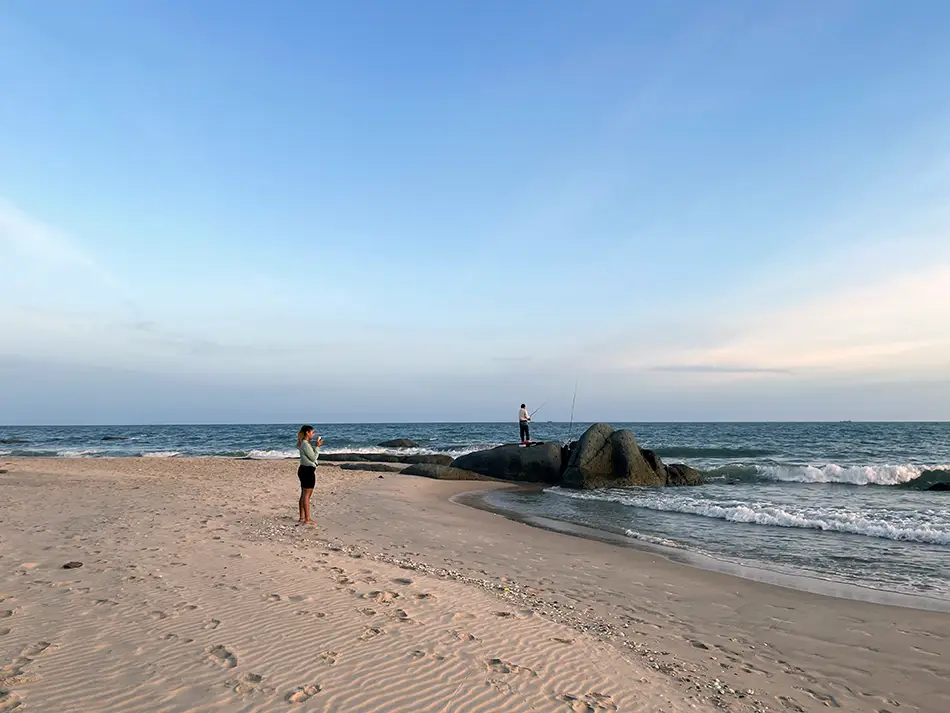
Mui Ne has long sandy beaches, but not all sections are equally developed. Outside resort areas you may find stretches of coast that are less maintained, sometimes with vegetation or debris washed ashore. These areas can harbor sandflies, tiny insects whose bites can become extremely irritating.
Unlike mosquito bites, sandfly bites may cause swelling and itching that lasts several days.
If you plan to explore undeveloped beaches or dunes, take precautions:
• Apply insect repellent
• Wear light long pants in the evening
• Avoid sitting directly on damp sand
Most resort beaches maintain cleaner conditions, so the problem is less common there.
Tip 9. Stay Away From Illegal Substances
Occasionally, motorbike drivers may approach tourists with offers of illegal substances.
Accepting anything like this is extremely risky. Drug laws in Vietnam are very strict, and possession can lead to serious legal consequences.
The safest response is simple: decline and walk away.
Mui Ne Rewards Travelers Who Understand It
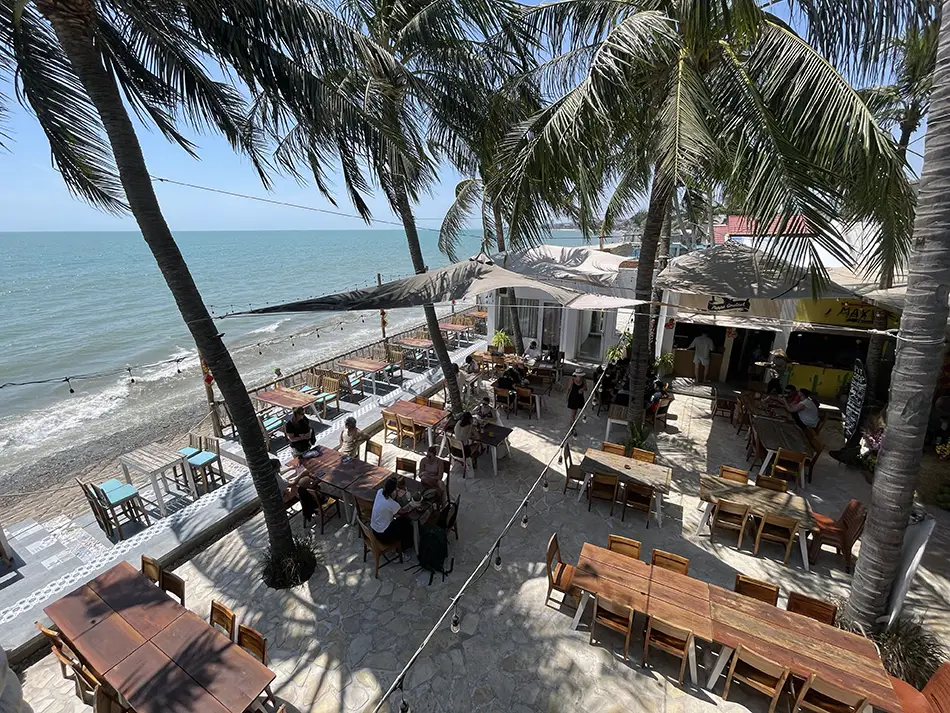
Mui Ne is not a polished resort destination designed entirely for tourists. It remains a coastal region where fishing communities, local markets, and tourism coexist in sometimes imperfect ways. This mix is exactly what gives the area its character.
Understanding the windy dry season, calmer summer months, and short wet-season rains helps you choose the right time to visit. Exploring beyond the main beach strip, especially to places like Phu Quy Island, reveals a deeper side of the region. Waking early, riding a scooter along the coast, and watching fishermen return with the morning catch offer experiences that many visitors overlook.
These Mui Ne travel tips are meant to help you experience the destination more consciously—avoiding common market scams, respecting local customs, protecting yourself from sandflies, and steering clear of illegal offers.
Approached this way, Mui Ne reveals itself not just as a kitesurfing hotspot, but as a fascinating slice of Vietnam’s southern coastline.