Why visit Vung Tau
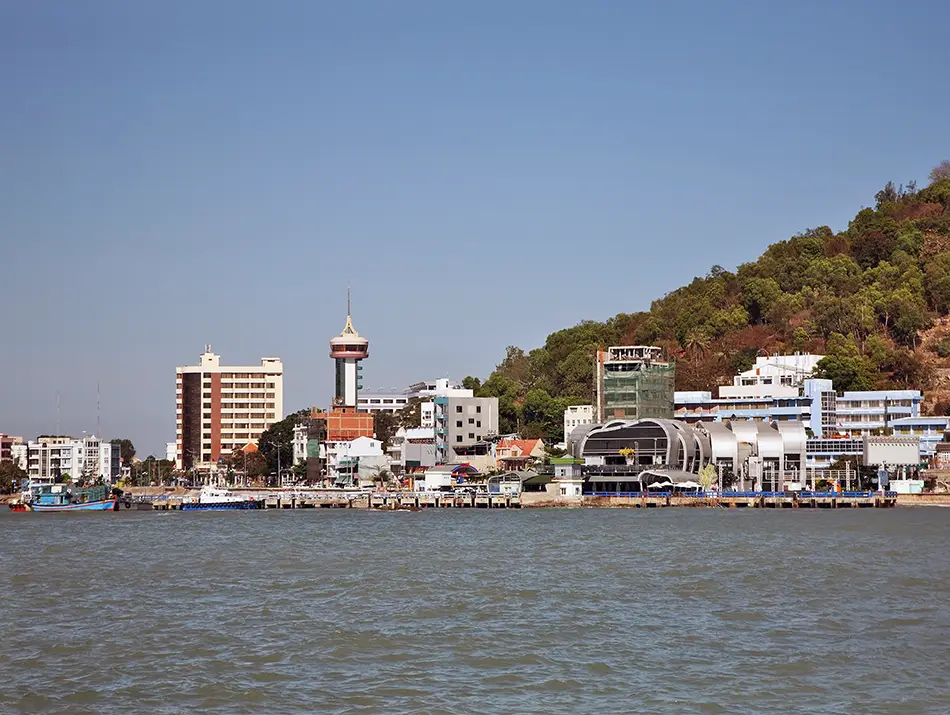
Vung Tau is a coastal city on a peninsula south of Ho Chi Minh City. For decades, it has served as a weekend escape for city dwellers, offering a quick dose of sea air and fresh seafood. The best things to see in Vung Tau mix colonial history, religious monuments, and simple coastal pleasures.
You will likely enjoy Vung Tau if you appreciate a lively, local atmosphere and want an easy trip from the big city. However, if you are looking for pristine, quiet beaches and a resort-style holiday, this might not be your destination. The city’s infrastructure is functional, but weekends get very crowded, and prices can increase.
One Minute History Lesson
Vung Tau’s history is tied to its strategic location. European trading ships anchored here in the 14th century, giving it the name that translates to “anchorage.” The French later transformed it into a seaside resort named Cap Saint-Jacques, leaving behind grand villas and a planned grid of streets.
During the Vietnam War, it served as a major rest and recreation spot for Australian and American soldiers. This history is still visible today. You can see it in the French-built lighthouse and White Palace, set alongside quiet monuments and temples that reflect Vietnam’s own story.
Vung Tau at a Glance
- Known For: A quick coastal getaway from Ho Chi Minh City with fresh seafood.
- Best Time to Visit: The dry season from December to April offers the most pleasant weather. Weekdays are much quieter than weekends.
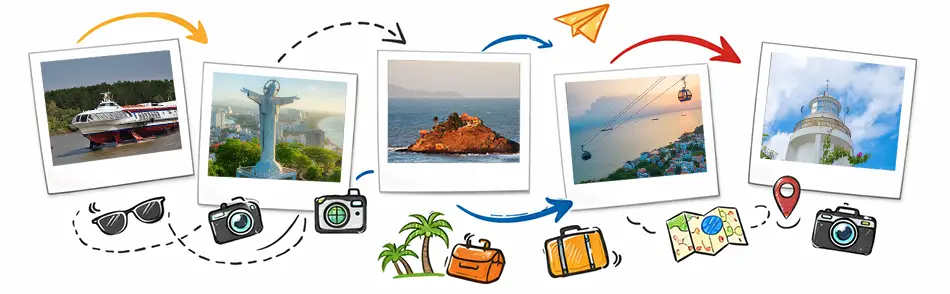
- Getting There: A ~90-minute hydrofoil or a ~2-hour bus ride from Ho Chi Minh City are the most popular options.
- How Long to Stay: A day trip is possible, but 1-2 nights allow for a more relaxed pace.
Table of Contents
Planning Your Trip to Vung Tau
Best Time to Visit
The ideal time to visit is during the dry season, which runs from December to April. During these months, you can expect clear skies and calm seas, perfect for sightseeing and beach activities. The shoulder seasons, May and November, offer a good balance of decent weather and fewer crowds.
The rainy season lasts from May to October. Rains are usually short, intense downpours in the afternoon, so they rarely disrupt an entire day.
A key thing to note is the weekend rush. Vung Tau becomes incredibly busy on Friday and Saturday nights with visitors from Ho Chi Minh City, leading to higher accommodation prices and crowded beaches. For a more peaceful experience, plan a weekday visit.
How Long to Stay in Vung Tau
Vung Tau can easily be a day trip from Ho Chi Minh City. An early start allows you enough time to see the main highlights, such as the Christ the King statue and the lighthouse, and have a seafood lunch.
Staying one or two nights offers a more relaxed experience. It gives you time to explore both Front and Back beaches, hike to different viewpoints, and enjoy the city’s food scene without rushing. A longer stay is justified for those who want to use Vung Tau as a base to explore nearby battlefields like Long Tan or the hot springs at Binh Chau.
How to Get to Vung Tau: Transportation Options
Getting to Vung Tau in southern Vietnam is straightforward, especially from Ho Chi Minh City (HCMC).
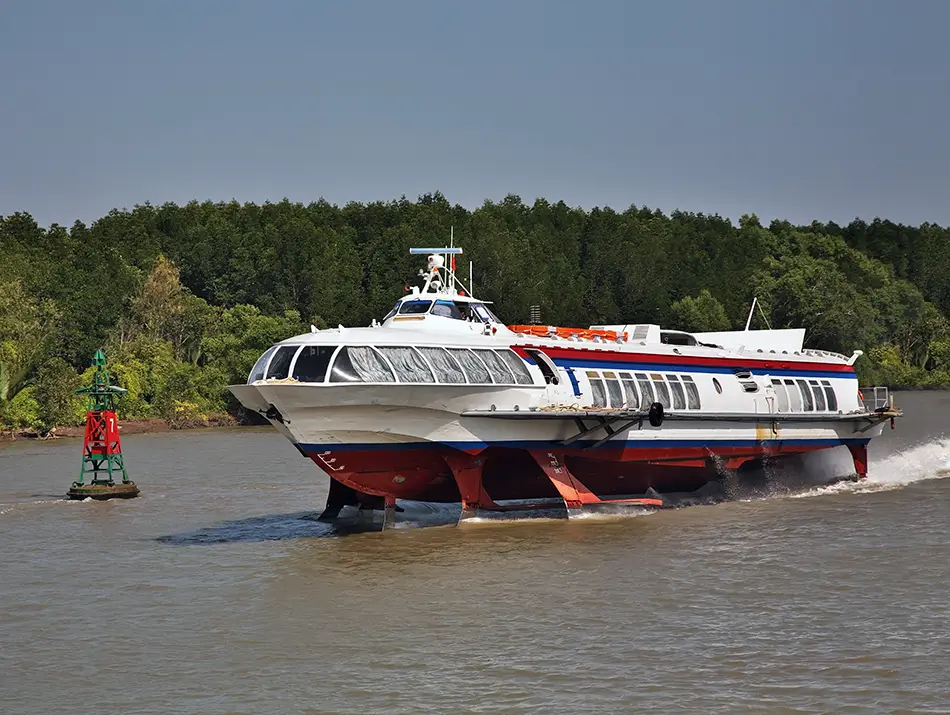
- Hydrofoil: This is the fastest and most scenic option. The ferry departs from 📍Bach Dang Speed Ferry Terminal in District 1, HCMC, and arrives at the 📍 Vung Tau Ferry Terminal. The journey takes about 90 minutes. Tickets cost around 320,000 VND ($12.50 / €11.70).
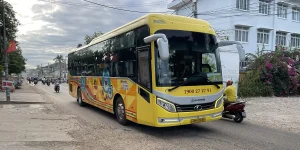
- Bus/Limousine Van: Several companies run comfortable limousine vans from various points in HCMC, including the airport and District 1. The trip takes 2 to 2.5 hours, depending on traffic. Prices range from 150,000 to 200,000 VND ($6 / €5.50).
- Day Trips from HCMC: Many tour companies in Ho Chi Minh City offer full-day trips to Vung Tau. These can be booked at local tour offices or online through major travel platforms. They usually include round-trip transport, a guide, and a fixed itinerary.
Is it Expensive to visit Vung Tau in 2026?
Vung Tau is generally an affordable destination, though prices increase on weekends and holidays. If you’re wondering “Is Vung Tau expensive?” the answer depends on your travel style. Overall, the city offers options for every budget.
- Ho May Park (Adult Entry): VND 500,000 ($19.00 / €18.00). This is an all-inclusive ticket covering the round-trip cable car, amusement park rides, water park, and cultural sites.
- Standard Private 3-Star Hotel: VND 470,000–800,000 ($18.00–30.50 / €16.50–28.50) per night
- Budget Hostel Dorm Bed: VND 105,000–160,000 ($4.00–6.00 / €3.50–5.50) per night
- Meal at an Inexpensive Local Restaurant: VND 50,000 ($2.00 / €1.50)
- Bottle of Water (0.5 L) in a Supermarket: VND 7,500 ($0.50 / €0.50)
- Motorbike Rental (Economy Scooter): VND 120,000–150,000 ($4.50–5.50 / €4.50–5.50) per day
- Intercity Transport (Vung Tau to Ho Chi Minh City): VND 165,000–230,000 ($6.50–9.00 / €6.00–8.00)
Where to Stay in Vung Tau
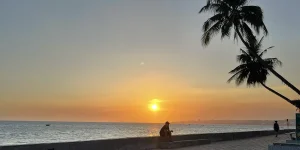
Accommodation is plentiful, ranging from budget guesthouses to upscale hotels. Knowing where to stay in Vung Tau depends on the experience you want, and your base will shape how easily you reach the best things to see in Vung Tau. The Front Beach (Bai Truoc) area is central, with easy access to cafes, restaurants, and parks. It’s a great spot for watching the sunset over the harbor, though the beach itself is not ideal for swimming.
The Back Beach (Bai Sau) area offers the city’s longest stretch of sand and is better for swimming. This area has many large hotels and resorts, making it popular with families and beach lovers.
For quieter stays, consider the slopes of Small Mountain (Nui Nho), which offer wide views but require transportation to get around. The area near Tran Phu Street provides a more local atmosphere with excellent seafood restaurants.
Best Things to See in Vung Tau: Sights & Attractions
The city offers a mix of natural landscapes, religious monuments, and colonial-era architecture. Most key sights are concentrated on or around its two main hills, Nho Mountain and Lon Mountain. These top attractions in Vung Tau highlight the region’s history, culture, and coastal geography. Many places require some walking or climbing to reach the best viewpoints.
Statue of Jesus Christ the King (Tượng Chúa Kitô Vua)
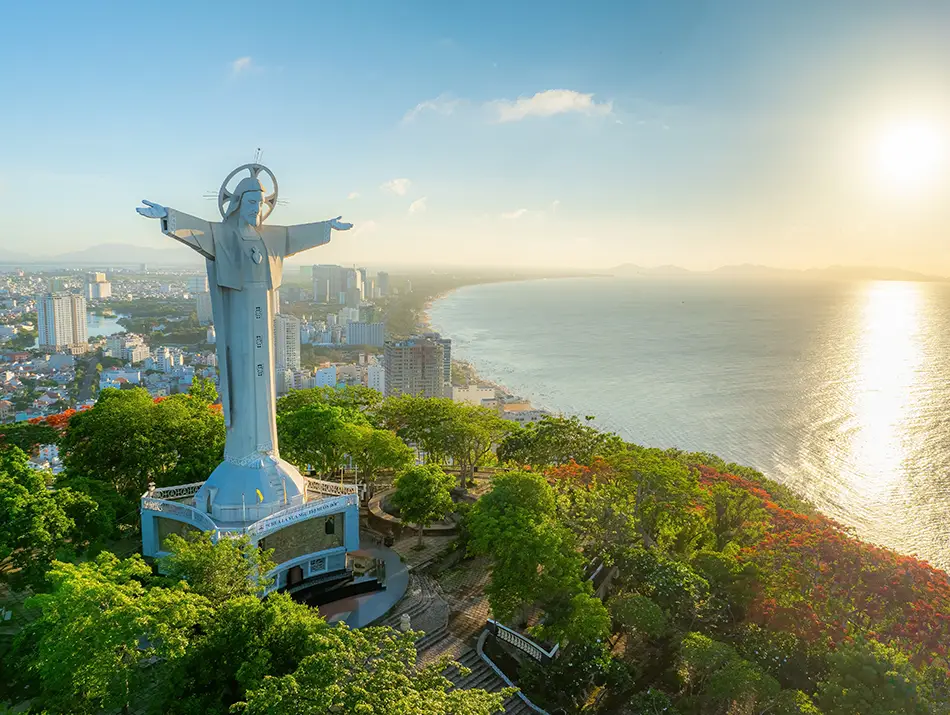
This 105-foot (32-meter) hollow statue of Jesus stands atop Nho Mountain and is considered a top attraction in Vung Tau. It is one of the tallest statues of Christ in Asia and offers panoramic views of the peninsula.
Visitors climb over 800 stone steps to reach the statue’s base. The path is well-maintained with rest stops along the way. Inside, a narrow spiral staircase leads to a small viewing platform on the statue’s shoulders. This area can feel crowded, but it provides an unobstructed coastal perspective.
- Hours and Tickets: Open daily 7:30 AM–4:30 PM PM. Entry is free.
- Time Needed: 1.5 to 2 hours.
- Combines With: Nghinh Phong Cape.
- Travel Tip: Visit before 9:00 AM to avoid the intense midday sun and tour bus arrivals.
- 📍Jesus Christ the King on Google Maps
Dress Code.
A strict dress code requires covered shoulders and knees to enter the site and to climb the staircase inside the statue.
Vung Tau Lighthouse (Hải Đăng Vũng Tàu)
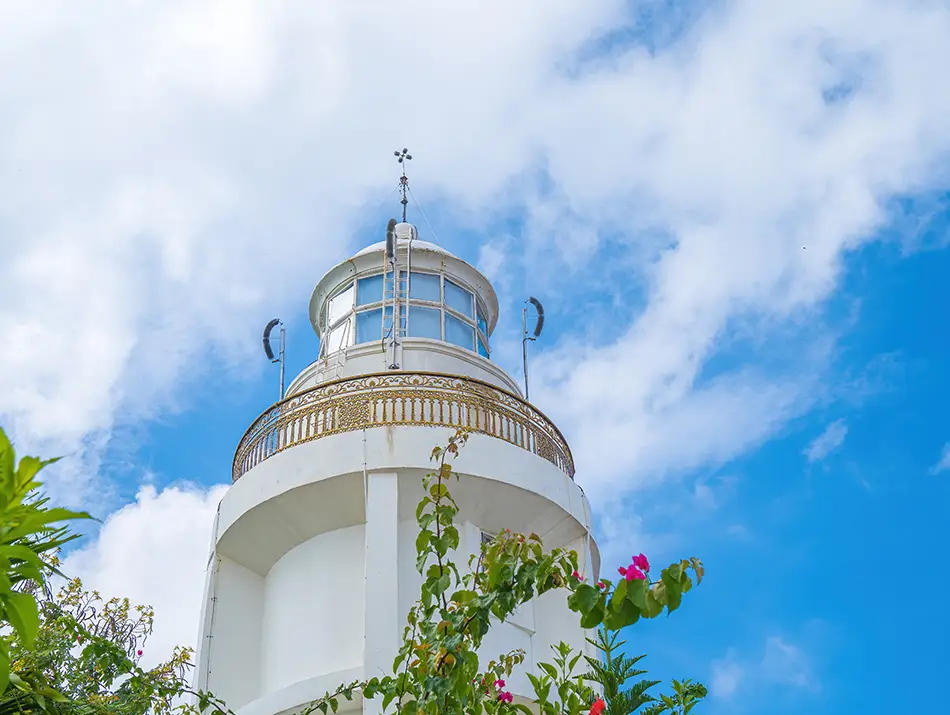
Originally built by the French in 1862, the Vung Tau Lighthouse was rebuilt in 1913 on a better-positioned site to improve visibility for ships. It remains an active lighthouse guiding vessels in and out of the busy port, and its hilltop perch offers a 360-degree view of the city, coastline, and shipping channels.
The journey to the lighthouse involves a winding, paved road that is popular with locals for exercise. You can walk or drive a motorbike to the top. Near the lighthouse, several coffee shops offer pleasant places to sit and enjoy the scenery. The area can be very windy.
- Travel Tip: Go near sunset for cooler temperatures and softer light for photography.
- 📍Vung Tau Lighthouse on Google Maps
White Palace (Bach Dinh)
The White Palace is a French colonial villa built between 1898 and 1902 on the western slope of Small Mountain (Núi Nhỏ). Originally constructed as a residence for French colonial officials, it was later used by Emperor Bao Dai during the final years of the Nguyen dynasty. The building is a clear example of French colonial architecture, with wide verandas designed to catch coastal breezes.
Today, the palace functions as a small museum. Inside, you’ll find a modest collection of historical objects, including ceramics, cannons, and other artifacts linked to the region’s maritime and colonial past. Some exhibit information is presented only in Vietnamese.
- Hours and Tickets: Open daily 7:30 AM–5:00 PM. Ticket price is 15,000 VND (~$0.60 USD).
- 📍White Palace on Google Maps
Nghinh Phong Cape (Mũi Nghinh Phong)
Nghinh Phong Cape is a rocky promontory separating Back Beach and Front Beach. Its name means “Cape of Welcoming the Wind,” a reference to the strong sea breezes and wide coastal views. A concrete walkway leads to the well-known photo spot called Heaven’s Gate.
The visit is mainly a short coastal walk and photo stop. The area is exposed with little shade, and maintenance can be inconsistent, so expect occasional litter.
- How to Get There: Located at the southern tip of the peninsula. It is a short walk from the base of the Christ the King statue.
- Travel Tip: Be cautious near the cliff edges, especially when it is windy.
- 📍Nghinh Phong Cape on Google Maps
Thich Ca Phat Dai Pagoda
Thich Ca Phat Dai is a large Buddhist complex built on the slope of Lon Mountain and completed in 1963. It is known for its tall statue of Buddha meditating on a lotus blossom, surrounded by terraced grounds, sculptures, and mid-20th-century Buddhist architecture.
Visitors climb a series of stairs through landscaped gardens to reach the main areas. The atmosphere is quiet and reflective, offering a peaceful contrast to the busier parts of the city.
- Hours and Tickets: Open daily, approximately 6:00 AM–6:00 PM.
- 📍Thich Ca Phat Dai Pagoda on Google Maps
Niet Ban Tinh Xa Pagoda
Also known as the Pagoda of the Reclining Buddha, this temple sits on Nho Mountain and was built between 1969 and 1974. Its highlight is a 39-foot (12-meter) reclining Buddha on the upper level, surrounded by a large bronze bell and detailed mosaics.
Built into the hillside, the complex requires climbing several flights of stairs. The colorful architecture stands out, and the upper terraces offer partial views of Back Beach through the trees. It remains an active place of worship.
- Hours and Tickets: Open daily 7:00 AM–5:30 PM.
- Travel Tip: Remember to remove your shoes before entering the main prayer halls.
- 📍Niet Ban Tinh Xa Pagoda on Google Maps
Hon Ba Island and Temple (Hòn Bà)
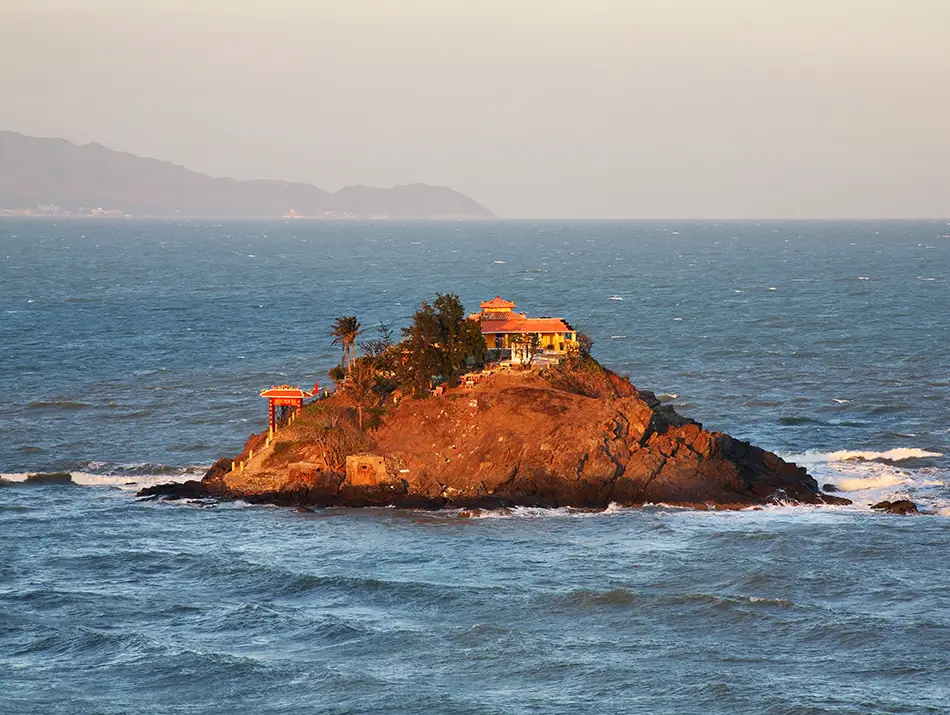
Hon Ba is a small, rocky island just off the coast of Nghinh Phong Cape. A small temple sits on top of the island. The unique feature of Hon Ba is its accessibility. A rocky path from the mainland is revealed for a few hours each day during low tide.
Visiting requires careful timing with the tidal schedule. The walk across the path takes about 15 minutes. The rocks can be sharp and covered in oysters, so sturdy footwear is essential. The temple itself is small and simple.
- How to Get There: Accessible only during low tide. Walk from the mainland near the base of Nghinh Phong Cape.
- Travel Tip: Do not attempt the crossing if the tide is turning, as the path submerges quickly.
- 📍Hon Ba Temple on Google Maps
Whale Temple (Lăng Cá Ông)
This small temple is dedicated to the whale deity, reflecting a local belief that whales protect fishermen at sea. Inside, you’ll find the preserved bones of whales that have washed ashore over the years.
A visit offers a brief but insightful look into coastal folk religion. Large glass cases display the skeletons, and the altar shows how locals continue to pray for safe voyages.
- Hours and Tickets: Open daily.
- Travel Tip: Visit as part of a walk through the city to understand local culture beyond the main tourist sites.
- 📍Whale Temple on Google Maps
Other Statues in Vung Tau
- Our Lady of Bai Dau (Đức Mẹ Bãi Dâu): A large white statue of the Virgin Mary set on a hillside overlooking the sea.
- Tran Hung Dao Statue (Tượng Trần Hưng Đạo): A prominent statue of the revered 13th-century general.
Other Museums in Vung Tau
- Robert Taylor Museum of Worldwide Arms: A private museum housing an extensive collection of military uniforms, weapons, and artifacts from global history. (📍Location)
- Ba Ria – Vung Tau Provincial Museum: Chronicles the region’s history, from prehistoric times through periods of war and development. (📍Location)
- Vung Tau Marina Museum: A small collection focused on boats, maritime history, and the local fishing industry. (📍Location)
Best Things to Do in Vung Tau: Activities & Experiences
Beyond sightseeing, Vung Tau offers activities ranging from family-friendly parks to easy outdoor explorations. These experiences showcase the city’s recreational side and can be enjoyed in just a few hours.
Ride the Cable Car and Explore Ho May Park
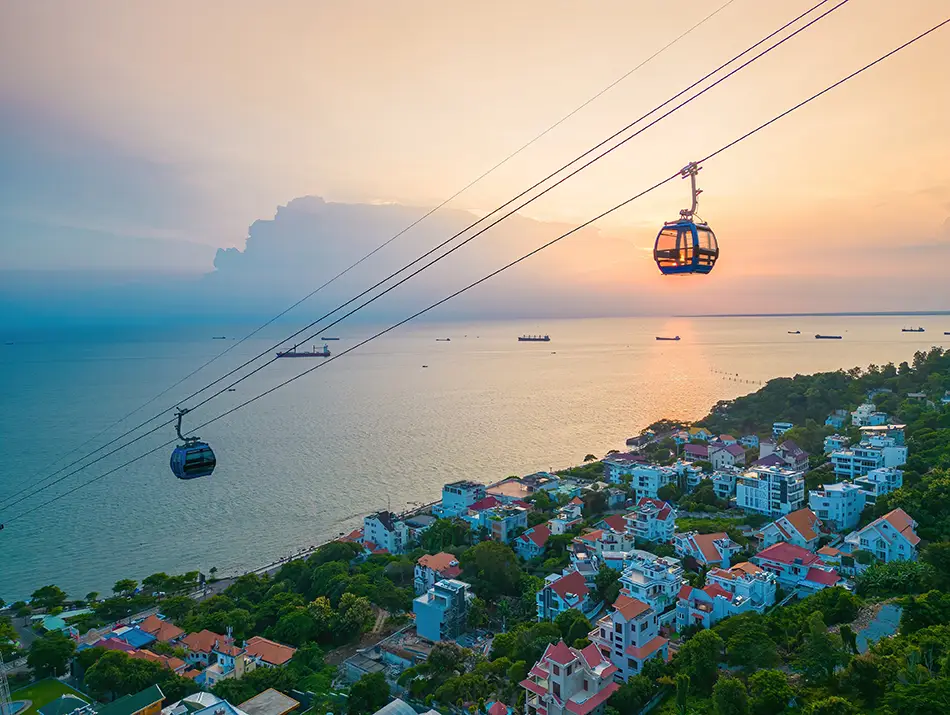
Ho May Park is a theme park on the summit of Lon Mountain, reached by a scenic cable car from the city. It features a mix of attractions, including a water park, small temples, and amusement rides.
The cable car ride itself provides wide views of the city and coast, and the panorama from the cabins is one of the best things to see in Vung Tau. Once at the top, the park is large and requires plenty of walking. The ticket price is all-inclusive for most rides and attractions, and while the facilities are basic compared to international standards, the park offers a full day of varied entertainment.
- Hours and Tickets: Open daily 8:00 AM–10:00 PM. An all-inclusive ticket costs 500,000 VND ($20 / €18.50)
- How to Get There: The cable car station is located on Tran Phu street.
- Time Needed: 4 hours to a full day.
- Travel Tip: Bring swimwear and a towel if you plan to use the water park facilities.
- 📍 Ho May Park on Google Maps
Hike up Piggie Hill (Đồi Con Heo)
Piggie Hill is a largely undeveloped, rocky hill near Back Beach. It offers one of the best vantage points for viewing the Vung Tau coastline. The “hike” is a short but steep walk up a broken concrete path. There is very little shade.
At the top, you are rewarded with an expansive view of Back Beach and the Sea. The area is undeveloped, with loose gravel and rocks. It is a popular spot for young people to take photos, especially at sunrise or sunset.
- 📍 Piggie Hill on Google Maps
Experience Illusions at the Upside Down House (Nhà Úp Ngược)
The Upside Down House is a novelty attraction where all the furniture and decor are fixed to the ceiling. This creates optical illusions for fun photos. The house has several themed rooms, including a living room, bedroom, and kitchen.
This is purely a photo opportunity. You walk through the rooms while staff can suggest poses to create the best illusion. The experience is brief and may appeal most to families with children or those looking for fun social media pictures.
- Hours and Tickets: Open daily 7:00 AM–9:00 PM. Ticket price is 40,000 VND (~$1.60 USD).
- Travel Tip: Go with a friend to help take pictures, as many of the best shots require specific angles.
- 📍Upside Down House on Google Maps
Best Day Trips From Vung Tau
The areas surrounding Vung Tau offer historical sites, natural parks, and coastal resorts. These destinations are easily reachable for a full-day excursion. Some locations also have developed tourist infrastructure, making them an alternative base for a longer stay.
Long Tan Cross, Nui Dat Kindergarten, and Long Phuoc Tunnels
This day trip focuses on sites from the Vietnam War and is best suited for travelers interested in military history, particularly events involving Australian and New Zealand forces. The Long Tan Cross Memorial marks the significant 1966 battle, Nui Dat served as the main Australian task force base, and the Long Phuoc Tunnels offer a small-scale Viet Cong tunnel experience that provides historical context rather than an extensive underground visit.
Logistics
These sites are spread out and best visited as a dedicated day trip. You can rent a scooter, hire a private car and driver or join an organized tour from Vung Tau, which often includes historical context from a guide.
Minh Dam Bases
The Minh Dam mountains served as a revolutionary base for Viet Minh and Viet Cong forces during the wars against the French and Americans. Today, visitors can explore caves, shelters, and memorial areas, with basic paths and stairs connecting key points across the site.
Logistics
The area is easiest to reach by motorbike or taxi, and you’ll explore on foot once inside. Bring water and good shoes.
Minera Hot Springs Binh Chau
This large resort complex is built around natural hot mineral springs. It offers a range of activities, including communal hot spring bathing, mud baths, and a hot spring egg-boiling experience. It is a developed wellness destination.
Logistics
The hot springs are easiest to reach by private car, or motorbike via Highway 55, about 60 km from Vung Tau. There is no direct public transport. Arrive early to make the most of the facilities.
Regional Dishes to Try in Vung Tau
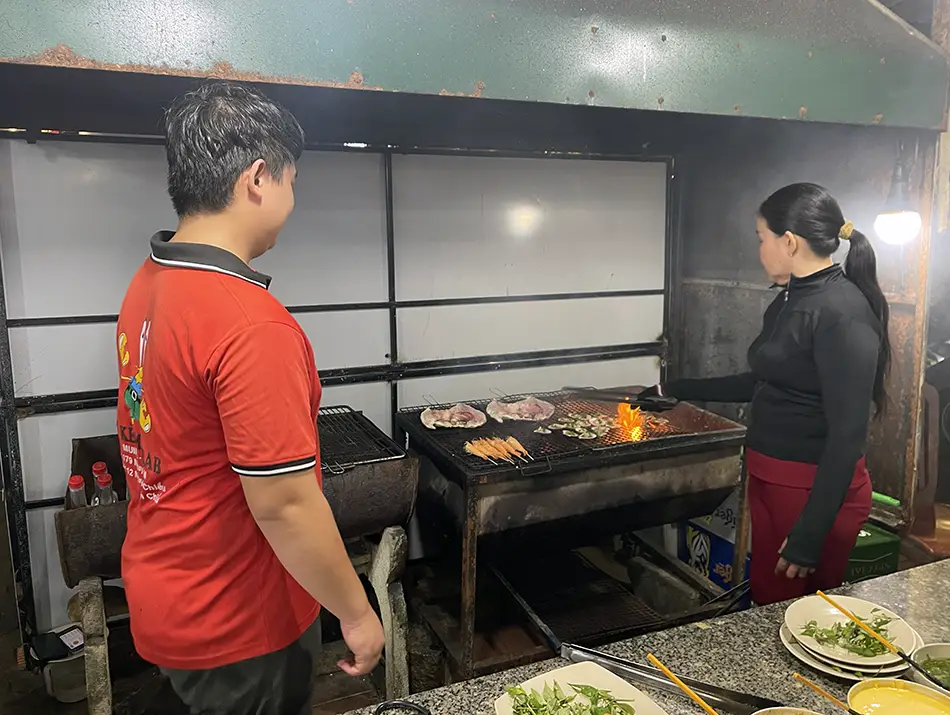
The coastal food scene is one of the city’s biggest highlights. Start with Banh Khot Vung Tau, small crispy rice pancakes topped with shrimp and turmeric, served with herbs and dipping sauce. Another regional favorite is Goi Ca Mai, a light, citrus-cured salad made from tiny local fish mixed with herbs, peanuts, and rice crackers.
You’ll also see grilled milk oysters (Hào Sữa Nướng Mỡ Hành) everywhere, known for their rich, creamy texture and topped with scallion oil and peanuts
Where to Eat
Vung Tau has several distinct dining areas. The night market near the Imperial Hotel is a hub for grilled seafood and street food. For a more authentic experience, head to the alleyways off Do Chieu Street, where you’ll find local-only eateries serving classic Vietnamese dishes.
The restaurants along Tran Phu street, facing the sea, are known for their fresh seafood with a view, though they can be pricier. The cafes around Front Beach offer a relaxed vibe, perfect for a coffee or a sunset drink. You can find eateries that cater to almost any budget, from cheap street stalls to mid-range family restaurants.
Sustainable Travel Tips
Vung Tau serves as a critical coastal lung for southern Vietnam, but its proximity to major urban hubs has led to significant challenges with marine debris and seasonal “trash waves.”
Traveling responsibly here means actively participating in the city’s transition toward a circular economy and protecting the biodiversity of its rocky shores and mountains.
- Support the Plastic Circular Economy: Vung Tau has set an ambitious goal to reduce marine plastic leakage by 75% by 2030. You can assist by avoiding all single-use plastics and utilizing the city’s growing refill network. Use (RefillMyBottle or mymizu) to find participating cafes and hotels that provide filtered water stations.
- Prioritize Electric Mobility: The city has a well-established fleet of electric buggies (trams) that cruise along the coastal roads. These are the most eco-friendly ways to hop between Back Beach and Front Beach. For private trips, use the Xanh SM app to book 100% electric taxis or motorbikes, which are widely available throughout the city.
- Choose Solar-Powered Attractions: If visiting Ho May Park on Big Mountain, utilize the cable car system which incorporates solar-powered elements to reduce its carbon footprint. While at the top, stick to the paved paths to prevent soil erosion on the steep mountain slopes.
Activities to Avoid in Vung Tau
- Participating in “Photo Ops” with Captive Animals: Avoid the small, unregulated animal displays sometimes found at hilltop viewpoints or parks where macaques or birds are kept on leashes for tourist photos. These animals are often stressed and poorly cared for. Supporting these props fuels the illegal wildlife trade.
- Using Chemical Sunscreens for Marine Swimming: The waters around Vung Tau support over 150 marine species. Traditional sunscreens contain oxybenzone and octinoxate which are toxic to the local coral patches and marine larvae. Opt for mineral-based, reef-safe sunscreens before heading into the surf.
- Feeding Stray Monkeys on the Mountains: When hiking to the Christ the King Statue or the Lighthouse, you may encounter macaques. Do not feed them. Human food makes them aggressive and dependent, often leading to dangerous interactions with hikers and the eventual removal of the animals from their natural habitat.
Know Before You Go
Local Tips
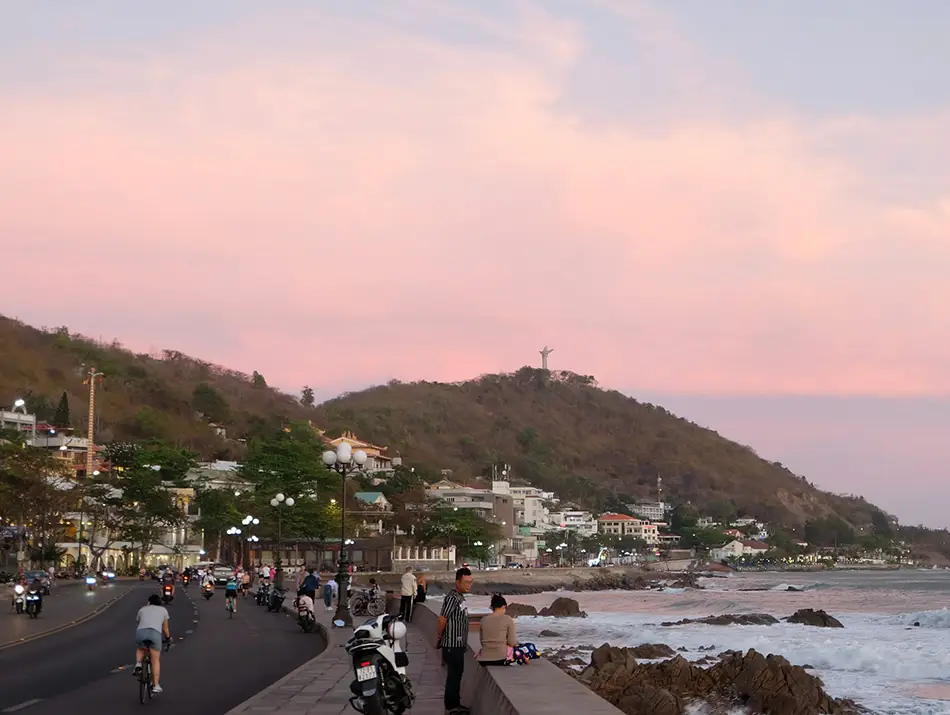
For the best experience, rent a motorbike to navigate the city’s hills and coastal roads. It gives you the freedom to explore hidden corners. Always carry some cash, as many small street food stalls and shops do not accept cards.
Accessibility
Accessibility in Vung Tau presents challenges for travelers with mobility issues. Sidewalks are often uneven or blocked, making wheelchair navigation difficult. Many of the main attractions, including the Christ the King statue and the Vung Tau Lighthouse, involve climbing hundreds of stairs and are not wheelchair accessible.
Newer, larger hotels along Back Beach tend to offer better accessibility with ramps and elevators, but it is best to confirm directly with the property before booking.
Family with Kids Tips
Vung Tau offers several family-friendly activities. Ho May Park, accessible via a scenic cable car ride, is a mountain-top amusement park with games, and a small water park. Kids will also enjoy the whimsical Upside Down House for fun photo opportunities. The long, sandy stretch of Back Beach is great for building sandcastles and playing, but always supervise children carefully in the water.
Vung Tau Q&A
Frequently Asked Questions
Vung Tau is worth visiting for travelers seeking a quick and easy coastal escape from Ho Chi Minh City. It’s ideal for those who love seafood and enjoy a mix of hiking and sightseeing. However, if you are looking for pristine, tranquil beaches for a longer holiday, you might consider other destinations.
Yes, Vung Tau is generally safe for solo travelers. The city has a low crime rate, and locals are typically friendly. Standard precautions apply: watch your belongings, be aware of your surroundings at night, and use reputable transportation.
Absolutely. Vung Tau is very budget-friendly. You can find affordable guesthouses, eat delicious street food for a couple of dollars, and enjoy many free attractions like hiking and visiting the beaches. Traveling on weekdays is the best way to keep costs for Vung Tau affordable.
Without the Hype: Is Vung Tau Worth Visiting?

Vung Tau is a practical, lively seaside city, not a tropical paradise. It excels as a short-term destination for those already in southern Vietnam who want a change of scenery and a feast of fresh seafood without a long journey. Its blend of colonial architecture, religious monuments, and accessible hills offers enough to fill a day or two.
You’ll like Vung Tau if:
- You are looking for a quick, convenient getaway from Ho Chi Minh City.
- You are a seafood lover who enjoys vibrant, local dining scenes.
- You enjoy short hikes with rewarding panoramic views.
You might skip it if:
- You are seeking quiet, pristine beaches for a relaxing, long holiday.
- You dislike crowds, especially the intense weekend rush.
- You are looking for a vibrant, late-night party atmosphere.
Good alternatives:
- Ho Tram: A nearby coastal area with long sandy beaches, mid-range and upscale resorts, and plenty of fresh seafood.
- Dalat: A mountain city with easy hikes, panoramic viewpoints, pagodas, and cool highland temperatures.
- Quy Nhon: A coastal destination known for its strong seafood scene, quiet bays, and local cultural sites.
- Da Nang: A major seaside city offering long beaches, a riverfront promenade, and the Marble Mountains for short hikes and temple visits.
We hope this guide on the best things to see in Vung Tau helps you decide if this coastal city fits your travel plans. For more inspiration, check out our other Vietnam Travel Guides.
We wish you smooth planning and an unforgettable trip!