

Why visit Ban Gioc
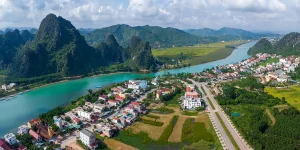
Ban Gioc is a remote frontier destination in Vietnam’s Cao Bang province. Its stunning waterfall on the Chinese border defines the region, while the best things to see in Ban Gioc revolve around its dramatic natural landscapes. The entire area is part of the Non Nuoc Cao Bang UNESCO Global Geopark, known for its karst mountains, river valleys, and geological heritage.
This area suits travelers who love nature, photography, and quiet rural settings. It may not appeal to those seeking nightlife or extensive tourist infrastructure. A stay of one to two nights allows for a relaxed exploration of the main sights.
Ban Gioc at a Glance
- Known For: Vietnam’s most spectacular waterfall, forming a natural border with China, and lush karst mountain landscapes.
- Best Time to Visit: September to October for full water flow after the rainy season and pleasant weather.
- Getting There: Most travelers arrive via an overnight sleeper bus or private limousine van from Hanoi.
- How Long to Stay: Can be visited as a day trip, but it feels rushed. Staying 1–2 nights offers a more relaxed pace to see the main sights and soak in the area’s quiet, rural atmosphere.
Table of Contents
Planning Your Trip
Best Time to Visit Ban Gioc
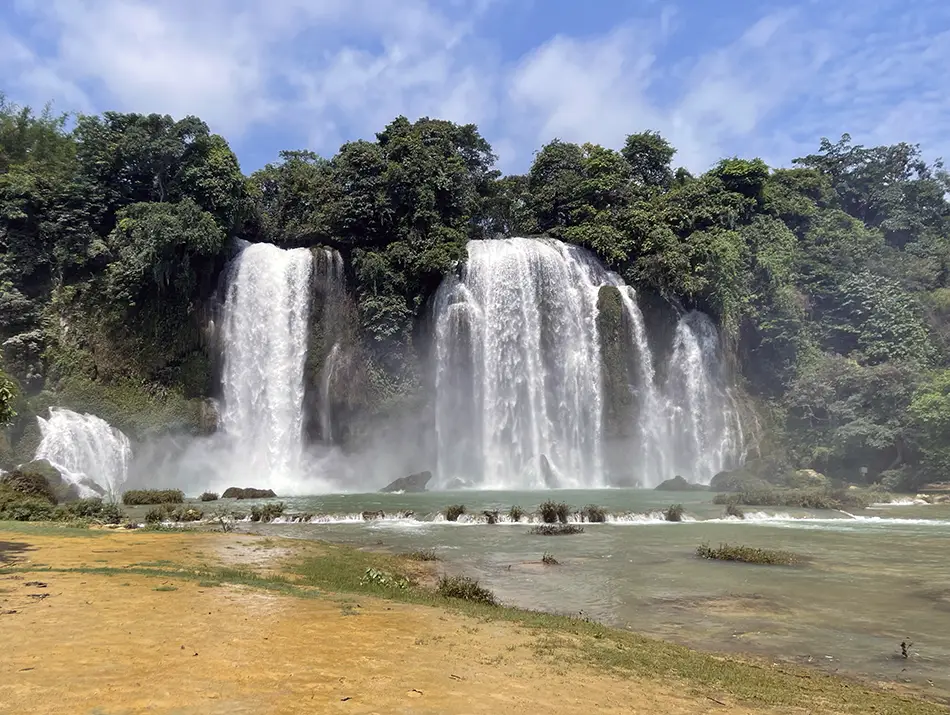
The ideal time to visit Ban Gioc is during the shoulder seasons. From September to October, the waterfall is at its most powerful after the summer rains, and the surrounding rice fields are a vibrant green. The weather is cooler and more comfortable for exploring.
Alternatively, the spring months from March to May are also excellent. During this period, the weather is dry and sunny, which is great for trekking and outdoor activities. The summer months from June to August bring heavy rains, which can cause flooding and make travel difficult.
How Long to Stay in Ban Gioc
A one or two-night stay is perfect for most visitors. This provides enough time to see the main waterfall, explore Nguom Ngao Cave, and visit the traditional stone village of Khuoi Ky without rushing.
A longer stay of three or more days is justified for serious photographers or those wanting to explore the wider Non Nuoc Cao Bang Geopark on a motorbike. This allows for a deeper dive into the region’s remote villages and landscapes.
How to Get to Ban Gioc: Transportation Options
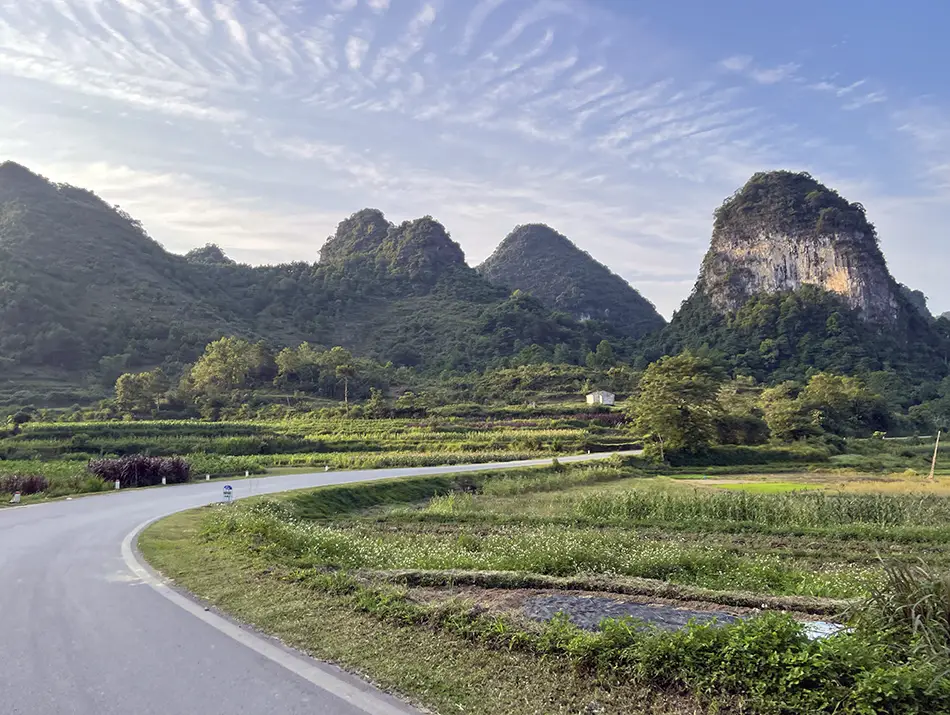
Most travelers start their journey from Hanoi. The common option is a sleeper bus from My Dinh Bus Station, which takes about 7-8 hours to reach Cao Bang city. Tickets cost around 300,000–400,000 VND ($12–16 / €11–14). From Cao Bang, you can take a local bus or hire a motorbike for the remaining 53 miles (85 km) to Ban Gioc.
Organized tours from Hanoi also exist, often including transport, accommodation, and a guide in a multi-day package.
Some travelers visit Ban Gioc as part of the Cao Bang Motorbike Loop, a popular route that connects the region’s major sights, including Trung Khanh, Phia Oac–Phia Den National Park, and the craft villages around Phuc Sen. Riding the loop allows for a deeper experience of the Non Nuoc Cao Bang Geopark and is a common choice for travelers who prefer independent exploration on a motorbike.
Getting Around
The best way of getting around Ban Gioc is by renting a motorbike. This gives you the freedom to explore the waterfall, caves, and villages at your own pace. The roads are generally in decent condition but require careful driving.
Taxis are available but are less common and more expensive. For short distances, walking is a great way to appreciate the scenery, especially around the waterfall and Khuoi Ky village. Local buses connect Ban Gioc with Cao Bang city, but they run on an infrequent schedule.
Where to Stay in Ban Gioc
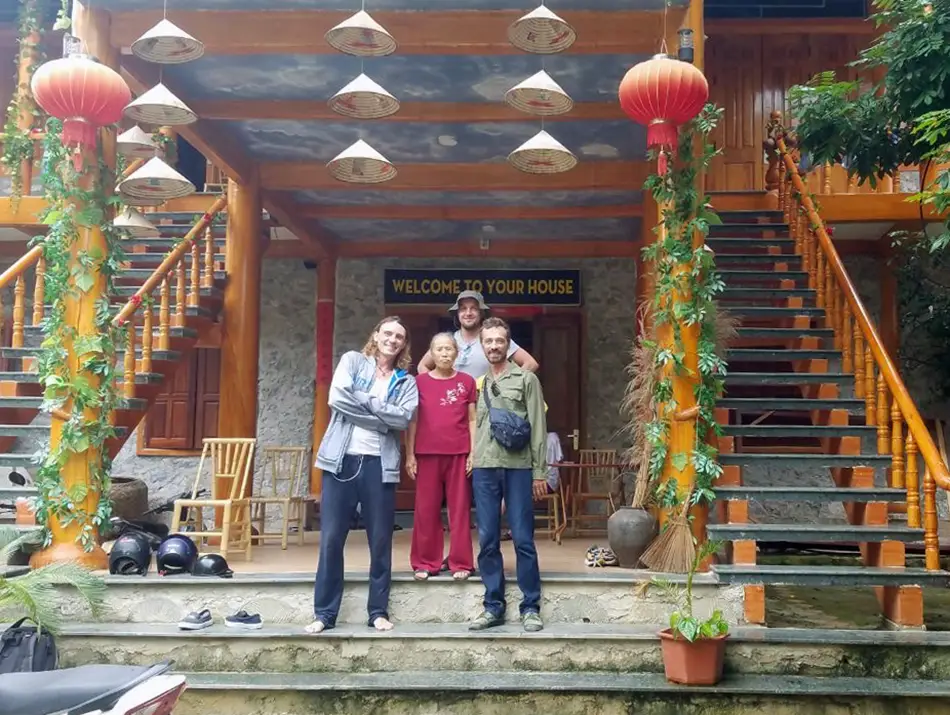
Accommodation options in Ban Gioc are limited and rustic, focusing on homestays and small guesthouses. You will not find large resorts or luxury hotels here.
The most popular area to stay is right near the waterfall, offering convenient access and great views. Several guesthouses are clustered along the main road.
For a more authentic experience, consider a homestay in Khuoi Ky, a village known for its traditional stone houses of the Tay people. Staying in Cao Bang city and visiting Ban Gioc on a day trip is another option, providing access to more hotels and services.
Is it expensive to visit Ban Gioc?
This region is quite affordable for travelers. Your daily costs will depend on your accommodation and food choices, but it remains one of Vietnam’s more budget-friendly destinations. The question of whether Ban Gioc is expensive is easily answered by looking at typical costs.
- Budget Double Room: 220,000–500,000 VND ($9–20 / €8–18)
- Ban Gioc Waterfall Entrance: 45,000 VND ($1.8 / €1.6)
- Nguom Ngao Cave Entrance: 45,000 VND ($1.8 / €1.6)
- Local Bus from Cao Bang: 70,000 VND ($2.75 / €2.5)
Best Things to See in Ban Gioc: Sights & Attractions
This region offers several key sights centered around its powerful natural landscape and unique border culture. Most attractions are clustered within a few miles of each other, making them easy to visit together. These locations form the core of any visit to the area. The primary sights and activities showcase the dramatic geography of the Non Nuoc Cao Bang Geopark.
Ban Gioc Waterfall (Thac Ban Gioc)
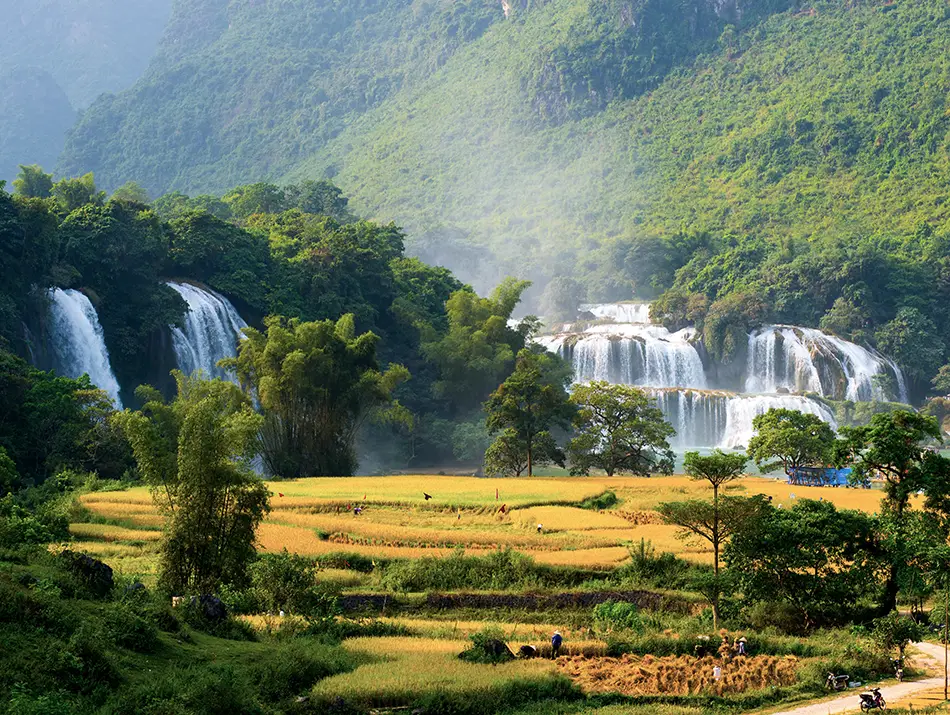
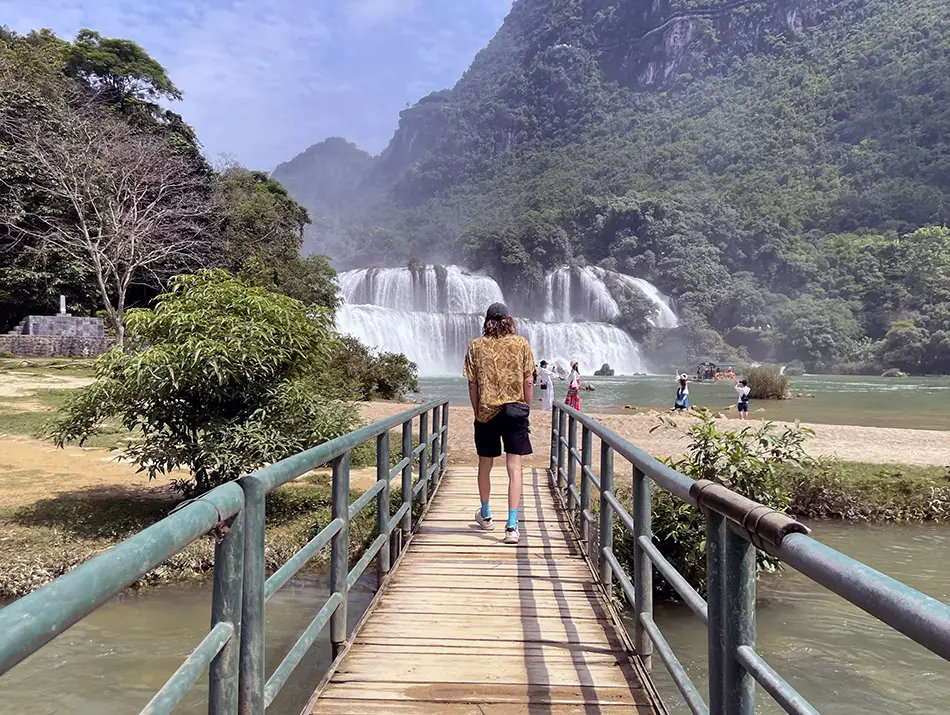
Ban Gioc Waterfall is a massive, multi-tiered cascade on the Quay Son River and stands among the must-see attractions in Ban Gioc. The waterfall is approximately 115 feet (35 meters) high and nearly 1,000 feet (300 meters) wide. Its appearance changes significantly between the wet and dry seasons.
Visitors can walk along paved paths at the base for different views of the main and secondary falls. You can take a bamboo raft ride close to the powerful cascades for a more direct experience. The mist from the falls is strong, especially during the rainy season. Across the river, you will see Chinese tourists on their own tour boats.
- Hours and Prices: Open daily 7:30 AM to 5:30 PM. The entrance fee is 45,000 VND ($1.80/€1.70). The optional boat ride costs an additional 50,000 VND ($2.00/€1.85) per person.
- Time Needed: 1–1.5 hours.
- 📍Ban Gioc Waterfall on Google maps
Border Milestone 836 (Cot moc 836)
This concrete border marker formally separates Vietnam and China. It is a simple pillar with inscriptions in Vietnamese. The milestone is located within the Ban Gioc Waterfall complex.
This site is a popular photo spot for visitors. It serves as tangible proof of reaching the country’s northern frontier. Access to the milestone is straightforward, though guards may occasionally limit how close you can get depending on diplomatic sensitivities.
- Hours and Prices: Accessible during the waterfall’s opening hours.
- How to Get There: It is a short walk from the main viewing area of the waterfall.
- Time Needed: 10–15 minutes.
- Travel Tip: Ask for permission before taking photos of border guards or official facilities.
- 📍Border Milestone 836 on Google Maps
Phat Tich Truc Pagoda (Chùa Phật Tích Trúc Lâm)
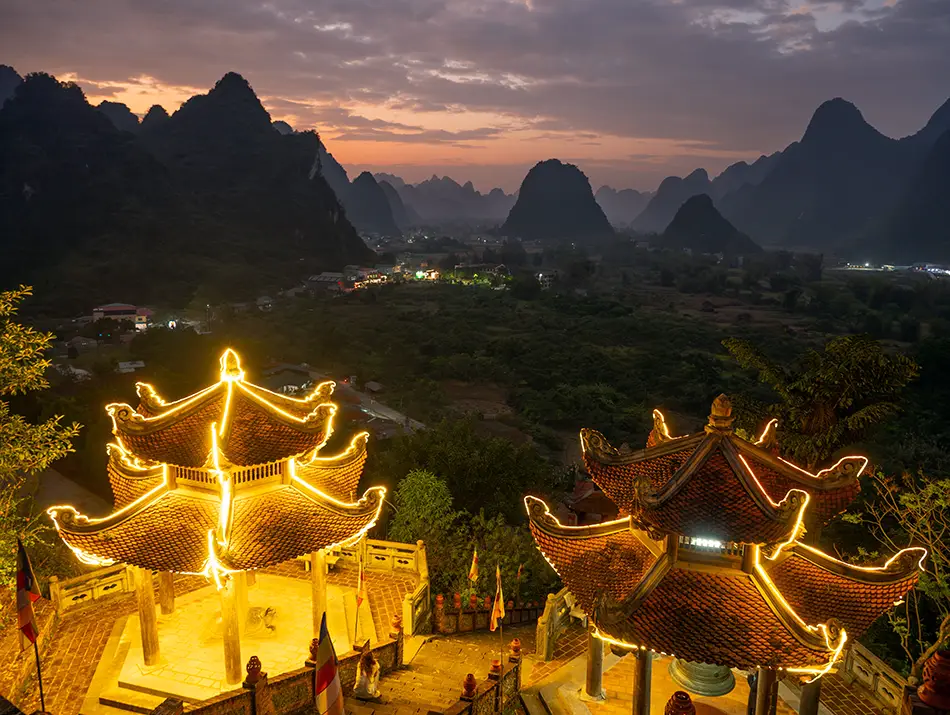
This temple is perched on the slopes of Phia Nham Mountain, about 500 meters from Ban Gioc Waterfall. It’s known for its serene atmosphere, traditional Vietnamese Buddhist architecture, and the wide views it offers .
From here, you can take in broad panoramas of Ban Gioc Falls and the valley beyond — a peaceful contrast to the crowds at the waterfall itself. The grounds are quiet and often feel like a retreat from the busier tourist spots nearby.
- Hours and Prices: Open daily. Entry is free.
- How to Get There: Located less than 0.6 miles (1 km) from the waterfall entrance. You can walk or drive to the base of the hill.
- Time Needed: 45 minutes.
- 📍Phat Tich Truc Pagoda on google maps
Tiger Cave (Động Ngườm Ngao)
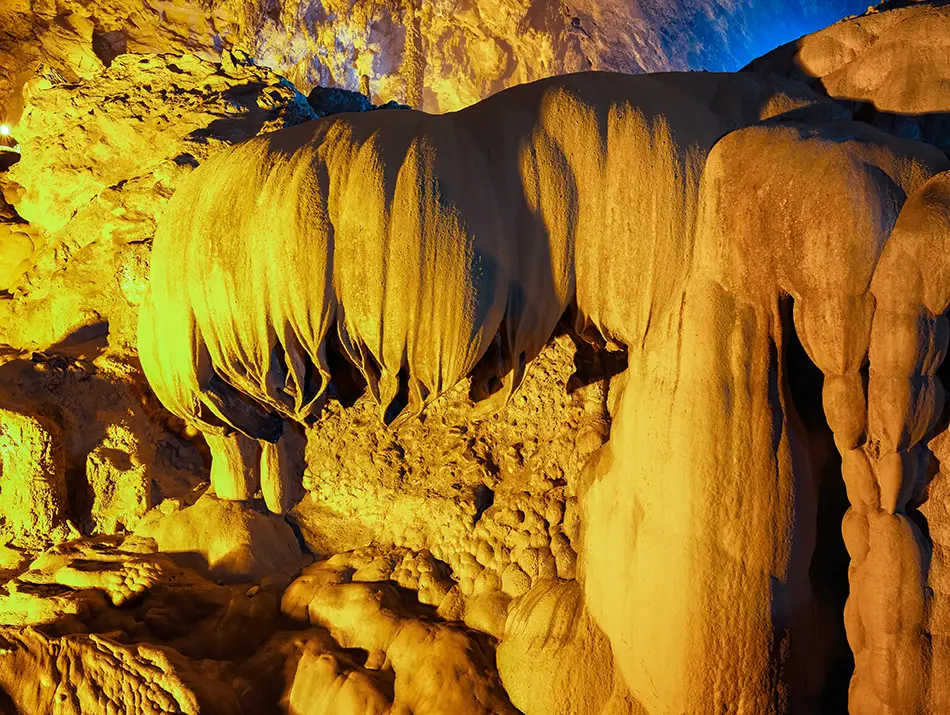
Nguom Ngao is a large limestone cave system located near the waterfall. The name means “Tiger Cave” in the local Tay language. A developed path allows visitors to explore about 0.6 miles (1 km) of the cave’s interior.
Inside, a wooden walkway guides you through large chambers filled with stalactites and stalagmites. These formations have been given names based on their shapes, such as the upside-down lotus. The cave is illuminated with colored lights which highlight the rock formations but can feel artificial to some visitors. The temperature inside is cool and consistent year-round.
- Hours and Prices: Open daily 7:30 AM to 5:30 PM. The entrance fee is 45,000 VND ($1.80/€1.70).
- How to Get There: The cave is 2.5 miles (4 km) from Ban Gioc Waterfall. It is easily accessible by car or motorbike.
- Time Needed: 1 hour.
- 📍Tiger Cave on Google Maps
Khuoi Ky Ancient Stone Village (Lang da co Khuoi Ky)
Khuoi Ky is a village of the Tay ethnic group. It is known for its traditional stilt houses built almost entirely from stone. The houses are hundreds of years old and demonstrate unique local construction methods. The village sits beside the Khuoi Ky stream.
Visitors can walk through the village to observe the unique architecture and quiet pace of rural life. Several families have opened their homes as homestays, offering meals and accommodation. This provides a direct way to experience the local Tay culture. The experience is low-key and focuses on observation.
- Hours and Prices: The village is always open and free to walk through.
- How to Get There: Located just 1.2 miles (2 km) from Nguom Ngao Cave on the same road.
- Time Needed: 30–60 minutes to walk through, or overnight for a homestay.
- 📍Khuoi Ky Ancient Stone Village on Google Maps
Water Wheels of Quay Son River (Con nuoc song Quay Son)

These traditional water wheels are a distinctive feature of the local landscape. Farmers use the large, handmade wooden structures to lift water from the Quay Son River into irrigation channels for their rice paddies. The wheels turn slowly, powered only by the river’s current.
They are most common on the scenic road between Trung Khanh town and Ban Gioc Waterfall providing insight into the region’s traditional agricultural practices and make for interesting photo subjects. There are no designated viewing spots. You simply stop along the road.
- 📍Water Wheels area on Google Maps
Local Food in Ban Gioc
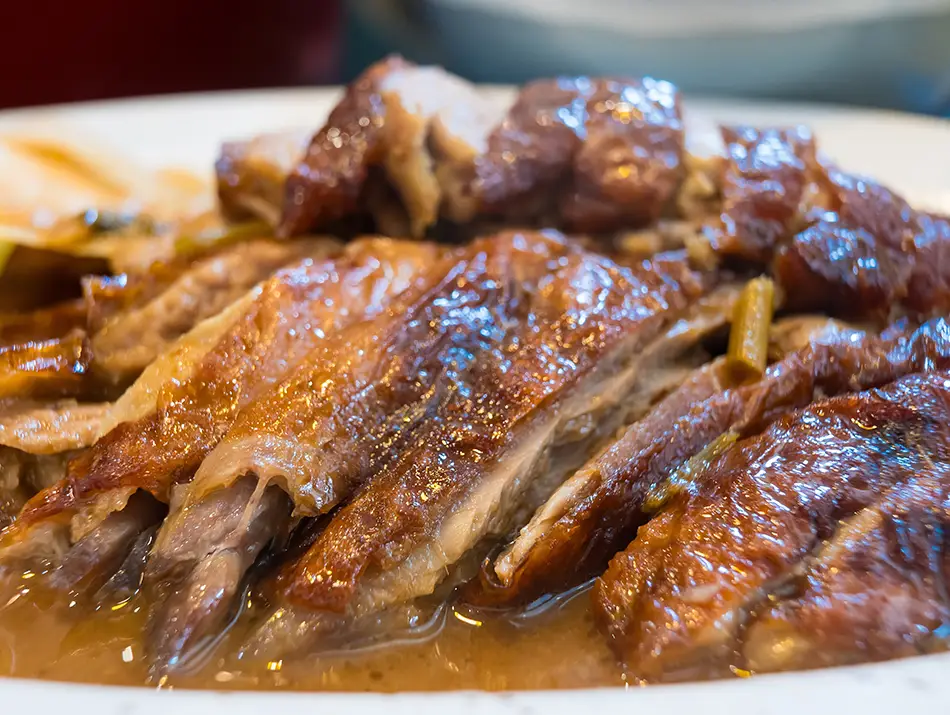
The local food in Ban Gioc reflects the culinary traditions of the Tay and Nung ethnic groups. One must-try dish is seven-flavor roasted duck (vịt quay bảy vị). This local specialty is marinated with seven spices, resulting in crispy skin and tender meat.
Another popular item is steamed rice rolls Cao Bang style (bánh cuốn Cao Bằng), served with a clear bone broth instead of fish sauce. Also, look for ant egg cake (bánh trứng kiến) in the spring, a unique cake made from sticky rice and ant eggs.
For more on Vietnamese cuisine, see our guide on the best dishes to try in Vietnam.
Where to Eat
Most dining happens at small local eateries or within homestays. The area around the main road leading to the waterfall has several simple restaurants serving regional specialties. These places are not fancy but offer authentic and flavorful food.
For a truly local experience, eating at your homestay is highly recommended, as families often prepare excellent multi-course meals for their guests. You will not find distinct dining districts or restaurants with special views. It is about simple, hearty food in a rural setting, and sharing a homestay meal is one of the meaningful things to do in Ban Gioc.
Sustainable and Responsible Travel Tips
When visiting Ban Gioc, support the local Tay and Nung communities by staying in their homestays and buying their handicrafts.
The region is part of the Non Nuoc Cao Bang UNESCO Global Geopark, so it is crucial to stay on marked trails to protect the fragile ecosystem. Carry a reusable water bottle to minimize plastic waste, which is a growing problem in remote areas of Vietnam.
Always ask for permission before taking photos of local people, especially elders and children. Your responsible actions help preserve the natural beauty and cultural integrity of this unique border region.
Know Before You Go

Local Tips
Always carry some cash (Vietnamese Dong), as ATMs are not available in the immediate Ban Gioc area. The nearest reliable ones are in Cao Bang city. Since this is a border area, always have your passport or a copy with you, as authorities may conduct occasional checks. The mobile phone signal can be weak or nonexistent in some parts of the valley.
Accessibility
Accessibility in Ban Gioc is limited for travelers with mobility challenges. The paths around the waterfall and inside Nguom Ngao Cave are uneven, with many stairs and natural obstacles. Most homestays and guesthouses are not equipped with ramps or elevators. Getting around requires navigating unpaved roads and steep terrain. While the main viewing areas of the waterfall are reachable, exploring the wider area would be difficult without assistance.
Family with Kids Tips
Ban Gioc can be a great adventure for older children who love nature. The boat ride to the waterfall and the sheer scale of the landscape are exciting. However, the area lacks playgrounds or specific family-friendly activities. The long travel time from Hanoi may be challenging for little ones. Homestays are welcoming to families and provide a great cultural experience.
Ban Gioc Q&A
Frequently Asked Questions
Ban Gioc is definitely worth visiting for travelers who appreciate stunning natural scenery. It’s ideal for adventurers and photographers. However, those seeking nightlife, luxury hotels, or a wide variety of restaurants might prefer to skip it.
The best time is from September to October when the waterfall is powerful and the rice fields are green. The spring months of March to May are also excellent, with pleasant, dry weather. Avoid the peak rainy season from June to August.
The most common way to get to Ban Gioc from Hanoi is by an overnight sleeper bus to Cao Bang city, followed by a local bus or motorbike to the waterfall. Limousine vans offer a faster, more comfortable alternative. Organized trips from Hanoi are also available.
Yes, Ban Gioc is very safe for solo travelers. The area has a low crime rate and locals are generally friendly and helpful. Standard precautions apply, especially when driving a motorbike. It is a great destination for solo travelers looking for quiet reflection and nature.
Without the Hype: Is Ban Gioc Worth Visiting?
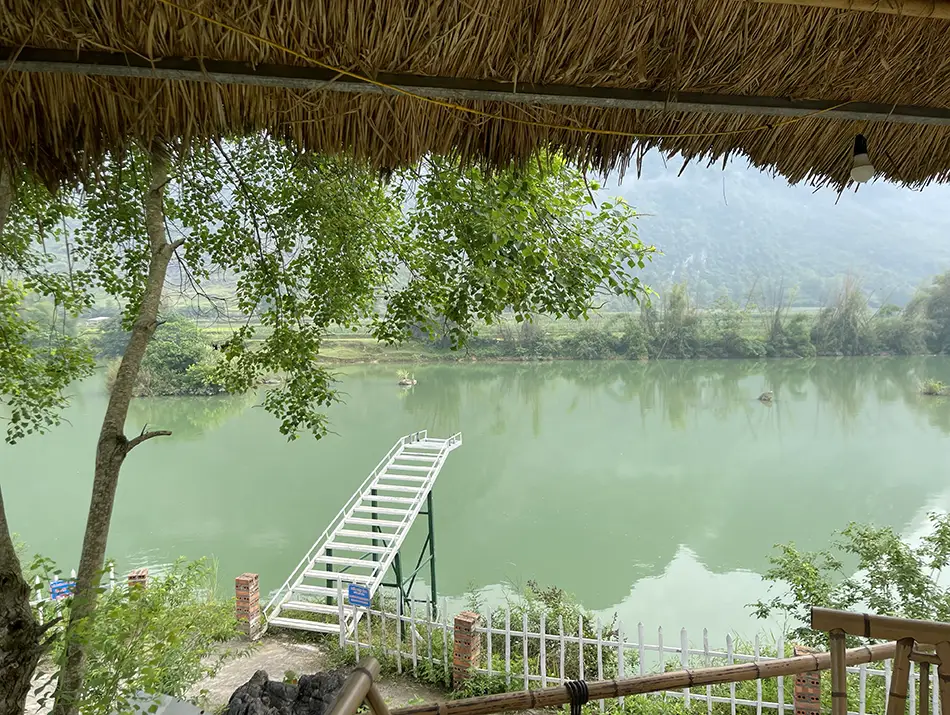
Ban Gioc delivers an awe-inspiring dose of nature that feels worlds away from Vietnam’s bustling cities. It’s a place for slow travel, where the main activities involve watching water thunder over a cliff and exploring the quiet countryside. It lacks polish and has limited amenities, which is either a pro or a con depending on your style.
You’ll like Ban Gioc if:
- You are a photographer or nature lover seeking dramatic landscapes.
- You enjoy exploring remote, rural areas on a motorbike.
- You want an authentic cultural experience through local homestays.
You might skip it if:
- You dislike long bus journeys on winding roads.
- You need a vibrant nightlife or diverse dining options.
- You prefer the comfort and convenience of established tourist destinations.
We hope this guide on the best things to see in Ban Gioc helps you decide if this remote wonder fits your travel plans. For more inspiration, check out our other guides to Vietnam. We wish you smooth planning and an unforgettable trip.