

Welcome to your definitive Vietnam Travel Guide, fully refreshed for 2026. Vietnam moves fast. What worked yesterday often doesn’t apply today. This living roadmap bridges classic traditions with modern travel realities, ensuring your planning is seamless and your experience is authentic.
In this guide, we’ve updated the latest visa regulations, new transport links, and current local pricing to help you navigate the country’s beautiful complexity with confidence.
We break down:
- Pre-trip Essentials: Logistics, connectivity, and the best seasonal windows for your visit.
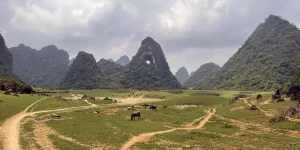
- Regional Deep Dives: From the limestone karsts of the north to hidden highland retreats.
- On-the-Ground Hacks: Navigating traffic, mastering etiquette, and finding the best street food.
- Sustainable & Authentic Choices: How to travel responsibly, support local communities, and engage deeply with the culture.
Let’s get started on your journey through this vibrant land.
Table of Contents
Why Coming to Vietnam
Vietnam is a sensory overload in the best way possible. It is a place where the scent of star anise from a roadside pho stall mixes with the humid air of tropical highlands, and where the silence of a remote Hmong village in the north stands in stark contrast to the neon-lit skyline of Ho Chi Minh City.
Travelers come here for the “organized chaos”. The rhythmic flow of millions of motorbikes, the smoke rising from street-side grills, and the sight of conical hats bobbing through vibrant wet markets.
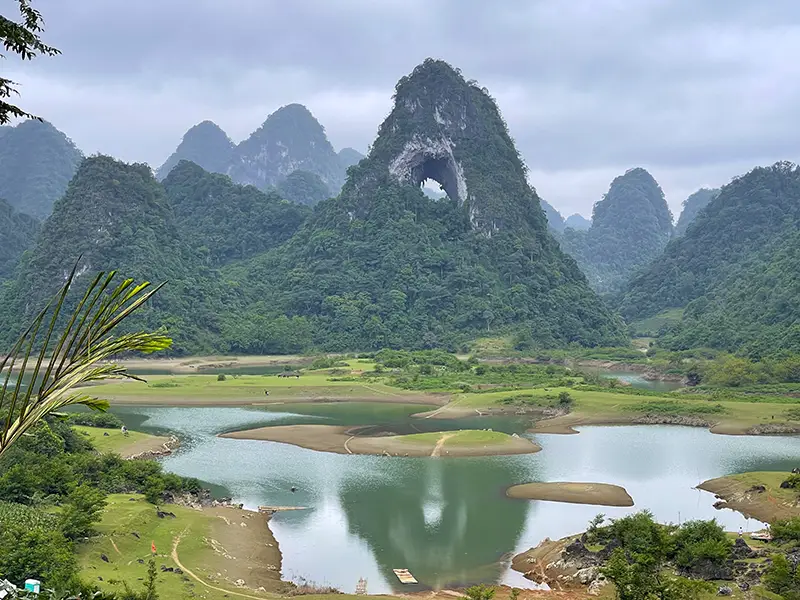
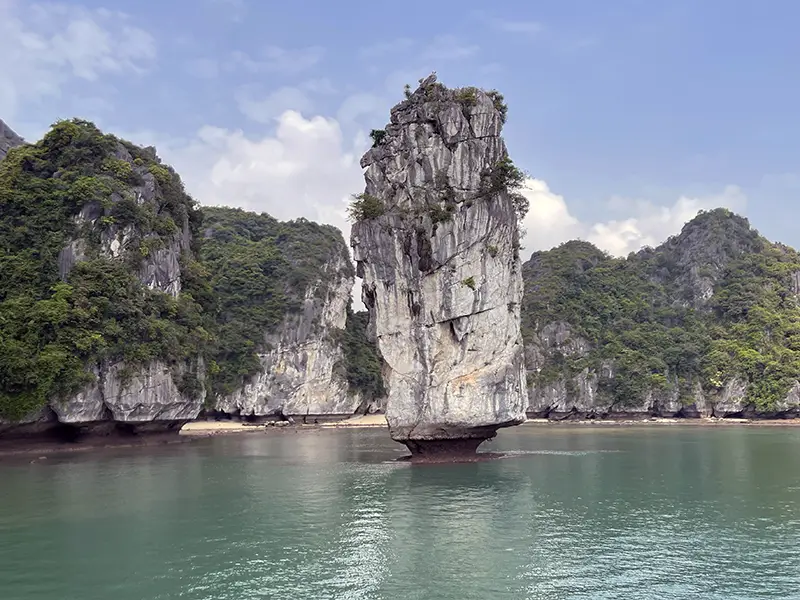
Beyond the energy of the cities, you’ll find a landscape defined by water and stone: the emerald peaks of Ha Long Bay, the winding veins of the Mekong Delta, and the rugged “heaven gates” of the Ha Giang borderlands. This Vietnam Travel Guide is built to help you navigate these layers, moving past the typical tourist trail to find the soul of the country through its food, its history, and its people. This Vietnam Travel Guide is built to help you navigate these layers, moving past the typical tourist trail to find the soul of the country through its food, its history, and its people.
Fast Facts About Vietnam
- Capital: Hanoi
- Official Language: Vietnamese
- Currency: Vietnamese Dong (VND)
- Time Zone: Indochina Time (ICT), UTC+7
- Population: Approximately 100 million (2025 estimate)
- Main Airports: Noi Bai International (Hanoi), Tan Son Nhat International (Ho Chi Minh City), Da Nang International
- Best Time to Visit: November to April
- Driving Side: Right
- Entry Requirements: Visa or visa exemption for certain nationalities. Passport with 6 months validity
- Health Tips: Avoid tap water. WHO Recommended vaccinations: Hepatitis A, Typhoid, and Tetanus.
- Emergency Numbers: Police: 113, Medical Emergency: 115
Know Before You Go: Vietnam Trip Planning
Planning a trip to Vietnam means getting ready for a rich and diverse experience. A little preparation goes a long way to ensure a smooth experience. From securing a visa to choosing the best time to visit, understanding connectivity options, and packing appropriately, this section covers everything you need to know before stepping foot in Vietnam. Let’s dive into the essentials to make your journey unforgettable.
Do I Need a Visa to Vietnam?
Vietnam’s visa policy has become significantly more traveler-friendly for 2026, with expanded exemptions and streamlined digital processes. Whether you’re planning a quick getaway or a three-month trek, here is the most current information for your journey.
The 90-Day E-Visa
As of 2026, citizens of all countries and territories are eligible for the Vietnam e-visa. This remains the most popular choice for travelers due to its flexibility.
- Validity: Up to 90 days.
- Entries: You can choose between single-entry or multiple-entry (perfect if you plan to pop over to Cambodia or Laos and return).
- Cost: $25 USD for single-entry and $50 USD for multiple-entry. Fees are paid online and are non-refundable.+1
- Processing Time: Usually 3–5 business days, but it is highly recommended to apply at least two weeks before your flight to account for public holidays or peak season delays.
- Official Portal: Only use the government site: https://evisa.gov.vn (be wary of “proxy” sites that charge extra service fees).
45-Day Visa Exemptions (No Visa Required)
Vietnam has significantly expanded its list of countries that do not require a visa for stays up to 45 days. As of late 2025 and into 2026, this unilateral exemption applies to:
- Europe: Germany, France, Italy, Spain, United Kingdom, Russia, Denmark, Sweden, Norway, Finland, Belarus, Belgium, Bulgaria, Croatia, Czech Republic, Hungary, Luxembourg, Netherlands, Poland, Romania, Slovakia, Slovenia, and Switzerland.
- Asia: Japan and South Korea.
Travelers from these countries can simply show their passport (valid for at least 6 months) and a return/onward ticket at any international border to receive an entry stamp. If you wish to stay longer than 45 days, you must apply for the 90-day e-visa mentioned above.
When Is the Best Time to Visit Vietnam?
Choosing the best time to visit Vietnam depends entirely on your travel goals and the regions you plan to explore.
Stretching over 1,000 miles (1,600 kilometers) from north to south, Vietnam spans three distinct climate zones and features everything from lowland beaches to high mountain ranges. That means there’s no single “perfect” month that fits all types of trips—but the good news is, there’s always somewhere worth visiting in Vietnam, no matter the season.
For example, while central beaches like Da Nang may be getting drenched in rains, the northern mountains around Sapa might be basking in golden rice field views under clear skies. This regional variation makes Vietnam a year-round destination—especially if you tailor your itinerary to seasonal advantages.
If you’re planning a short trip focused on specific places or activities—like a romantic cruise in Ha Long Bay or an adventurous motorbike ride along the Ha Giang Loop—we highly recommend checking out our Best Time to Visit Vietnam Guide for destination-specific insights.
Vietnam’s Dry Season (November to April)
The most popular time to visit Vietnam is during its dry season, roughly from November to April. During this period, much of the country experiences less rainfall and milder temperatures—ideal for sightseeing, outdoor adventures, and cultural exploration. It’s the best time if you plan to travel through multiple regions, as weather conditions are generally pleasant across the board.
That said, don’t expect perfection everywhere: while the north might be crisp and cool, the south can be warm and tropical. Still, your chances of enjoying consistent weather across all three climate zones are higher during this window than at any other time of year.
Keep in mind that December and January are peak months for both international and local tourism, so expect larger crowds and higher prices, especially in major destinations like Hanoi, Hoi An, and Ho Chi Minh City.
Vietnam’s Rainy Season (May to September)
The low travel season typically falls between May and September. This period is marked by high humidity, heavy rainfall, and occasional typhoons—especially in the north and central regions. Temperatures can soar, making it less comfortable for extended outdoor activities.
However, don’t write off this season entirely. It’s a great time for budget travelers, as accommodation prices tend to drop and popular attractions are far less crowded. Plus, the south (including Ho Chi Minh City and the Mekong Delta) often enjoys shorter, more predictable rain showers—usually in the late afternoon or evening.
Insider Tip
In Sapa, rice terraces shift with the seasons—empty in spring, lush green by July, and golden yellow from late September to early October.
Festive Seasons in Vietnam: What to Know
When it comes to culture, Tet—the Vietnamese Lunar New Year—is both the most rewarding and most challenging time to visit. For 2026, Tet falls on February 17, though the festive energy begins a week prior and continues for several days after. In the lead-up to the holiday, cities transform: markets overflow with peach blossoms and kumquat trees, streets are draped in red banners, and temples fill with the scent of incense and offerings as families prepare for the year’s most significant transition.
As a visitor, Tet offers a rare glimpse into the heart of Vietnamese tradition. You can witness vibrant dragon dances, public flower festivals, and taste seasonal delicacies like banh chung (sticky rice cake) that are hard to find at other times. However, the logistical downsides are significant. Most shops, local restaurants, and museums close for at least five to seven days, and service can be limited even in major cities.
Transportation is the biggest hurdle; buses, trains, and domestic flights are often fully booked months in advance as millions of people return to their home provinces. Prices for remaining seats and accommodation typically spike, and government offices—including immigration for visa extensions—shut down completely for the week.
Other key dates that trigger massive domestic travel and higher prices include Reunification Day (April 30), Labor Day (May 1), and National Day (September 2). If your trip overlaps with these holidays, booking your transport and hotels well ahead of time is essential to avoid being stranded.
For a full list of local festivals, regional celebrations, and public holidays, check out our comprehensive Vietnam Holiday Calendar.
Wi-Fi, SIM Cards, and Internet Access in Vietnam
Staying connected in Vietnam is generally easy and affordable. Free Wi-Fi is widely available in hotels, cafes, and restaurants, especially in cities. However, speeds can be inconsistent or slow in rural and mountainous areas like Sapa or Ha Giang.
For more reliable access, consider getting a local SIM card. You can purchase one at the airport (higher price) or at official mobile operator stores in the city—look for Viettel, Vinaphone, or Mobifone. Tourist SIM packages typically cost $5–$10 for 30 days and include 1–2 GB of daily data. It’s best to activate the SIM at the store to avoid setup issues or language barriers.
Viettel is known for having the widest coverage in remote areas, making it a good choice if you plan to explore off-the-beaten-path destinations. Mobile coverage is excellent in urban areas, though 4G may occasionally drop to 3G in mountainous regions.
Best Places to Go in Vietnam
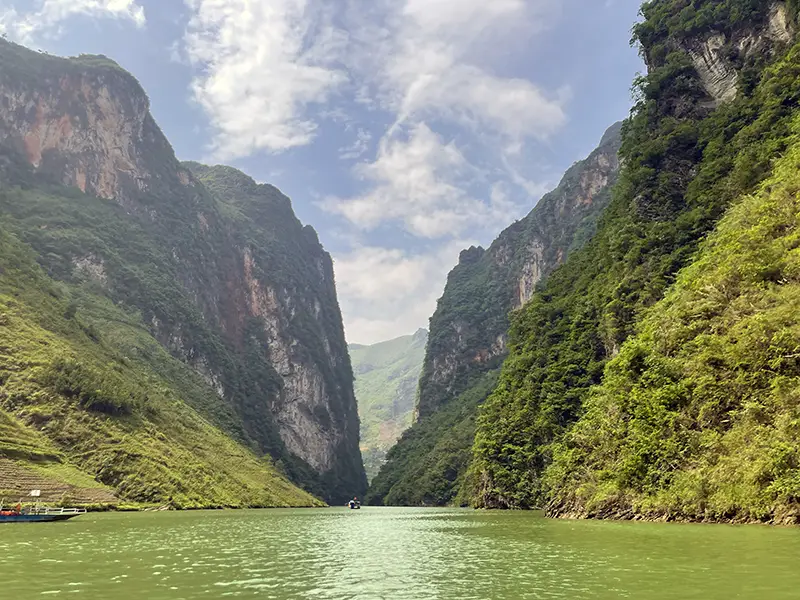
Vietnam’s regions each offer distinct flavors. In the north, Hanoi buzzes with colonial architecture, vibrant street markets, and the serene Hoan Kiem Lake. Nearby, Ha Long Bay’s limestone islands and green waters are a UNESCO gem, perfect for overnight cruises. Sapa’s terraced hills and ethnic minority villages draw hikers seeking cool mountain air.
Central Vietnam shines with history and charm. Hoi An’s lantern-lit streets and tailor shops are a must, while Hue’s Imperial City offers a glimpse into royal history. Da Nang, with its sandy beaches and Marble Mountains, is a modern hub.
In the south, Ho Chi Minh City pulses with energy—think Ben Thanh Market and War Remnants Museum. The Mekong Delta’s floating markets and lush waterways offer a slower pace. For beach lovers, Phu Quoc’s white sands and clear waters rival Southeast Asia’s best.
Want a closer look at what Vietnam really has to offer? Check out Best Places to Visit in Vietnam
Best Things to Do in Vietnam
Vietnam’s activities offer a perfect balance of cultural depth and high-octane exploration. In Hanoi, join a street food tour to savor authentic pho and banh mi curbside, while in Hoi An, you can commission a custom-tailored suit in under 24 hours. For a change of pace, kayak through the limestone lagoons of Ha Long Bay or cycle past the ancient pagodas and emerald rice paddies of Hue.
For those seeking a thrill, the country is a world-class destination for rugged exploration. You can trek the cascading terraces of Sapa, explore the massive cave systems of Phong Nha, or motorbike the legendary Ha Giang Loop for unparalleled mountain views. From canyoning in Da Lat to kiteboarding in Mui Ne, there is no shortage of ways to get your heart racing.
>> For more inspiration, check out our guide to the Best Adventurous Activities in Vietnam.
How to Get to and Out of Vietnam
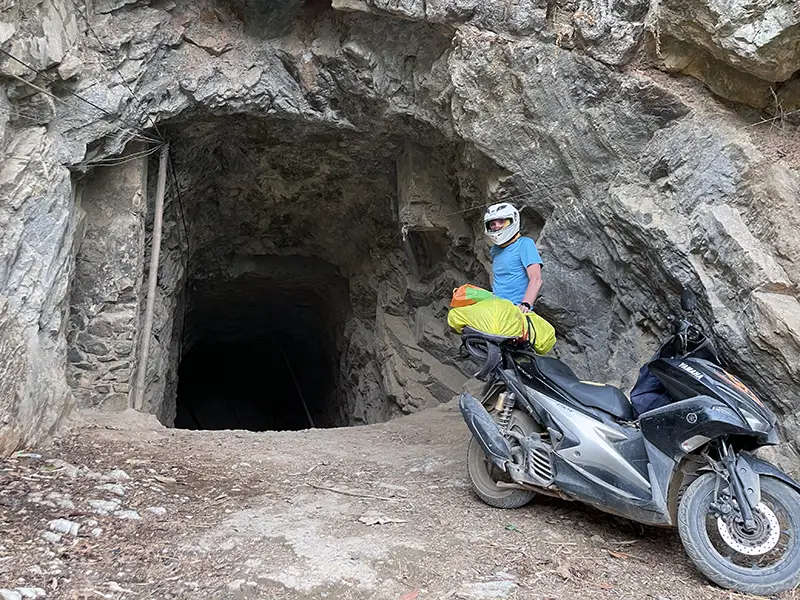
Vietnam’s main air hubs are Noi Bai International (Hanoi), Tan Son Nhat International (Ho Chi Minh City), and Da Nang International. Major airlines like Vietnam Airlines, VietJet Air, and international carriers connect Vietnam to Asia, Europe, and the US.
Cheap flights to Vietnam are often available through budget carriers like AirAsia or VietJet, with round-trip fares from Southeast Asian hubs like Bangkok starting at $100. From the US, expect $800–$1,200 round-trip from major cities like Los Angeles.
Overland travel is possible from Cambodia, Laos, or China via bus or train, though border crossings require proper visas. If you’re entering with an e-visa, make sure to check the official list of approved border crossings on evisa.gov.vn, as not all land borders accept e-visa entry.
How Many Days Do You Need in Vietnam?
Vietnam’s size and diversity mean trip length depends on your goals. A Vietnam travel itinerary of 7–10 days suits a quick highlights tour: 2 days in Hanoi, 2 in Ha Long Bay, 2 in Hoi An, and 3 in Ho Chi Minh City with a Mekong Delta day trip.
For a deeper dive, 14–21 days gives you time to explore Sapa, Hue, and Phu Quoc, along with popular highlights like Ninh Binh’s scenic landscapes.
Long-term travelers can spend 4–6 weeks, adding the Ha Giang Loop, Da Lat’s highlands, or Con Dao’s pristine islands.
Short on time? Focus on one region: 5 days in the north (Hanoi, Ha Long) or south (Ho Chi Minh City, Mekong).
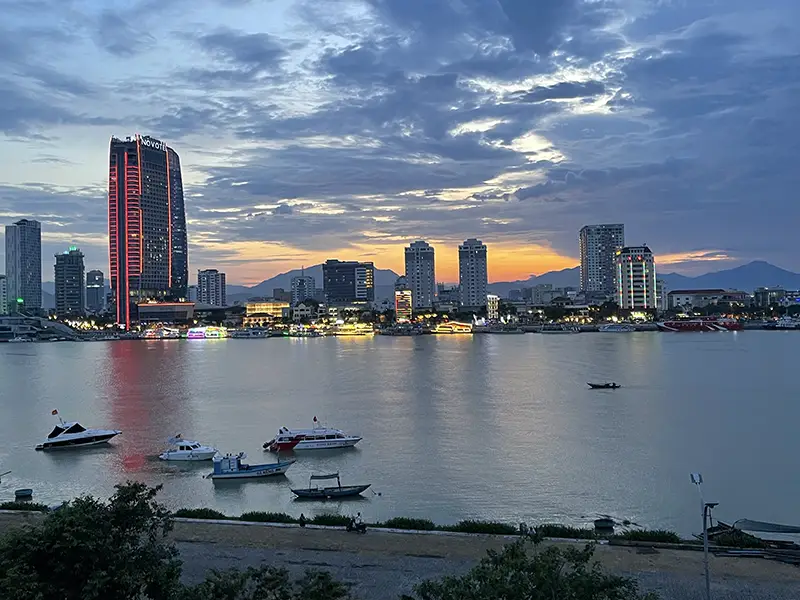
Vietnam Travel Cost in 2026
Vietnam is budget-friendly, but costs vary by travel style.
A travel budget for backpackers might be $25–$40/day, covering hostels ($5–$10/night), street food ($1–$3/meal), and buses ($3–$15/route).
Mid-range travelers can expect $50–$100/day, with boutique hotels ($20–$50/night), restaurant meals ($5–$15), and taxis ($1–$5/trip).
Luxury travelers might spend $150+/day on 5-star hotels ($100+/night) and private tours.
Card payments are widely accepted in cities, but cash is still king in markets, small shops, and rural areas. For exchanging money, jewelry shops (especially in city centers) often offer the best rates—even better than banks—and some can also exchange currencies of neighboring countries like THB, or KHR if you’re heading to Laos, Cambodia, or Thailand. Airport kiosks tend to offer lower rates.
ATMs are easy to find, but most charge $1–$3 per withdrawal. For lower fees, look for TPBank, VPBank, Agribank, or ACB, which are known for either low or fixed withdrawal charges. Note that daily withdrawal limits vary by bank and card issuer.
Is Vietnam Safe to Visit?
Vietnam is generally safe for tourists, with low violent crime rates. The US State Department and UK Foreign Office rate Vietnam as Level 1 (exercise normal precautions), though pickpocketing and scams occur in busy areas like Hanoi’s Old Quarter or Ho Chi Minh City’s District 1.
Unsafe activities include driving motorbikes without experience—traffic is chaotic, and accidents are common. Avoid remote border areas near Cambodia or Laos due to rare landmine risks. Street scams are still present, including overpriced taxis (use Grab or metered taxis) and fake tour agencies.
In cities, be cautious when using your phone in public—thieves on passing motorbikes often grab devices from distracted pedestrians. Always keep a firm grip on your belongings and stay alert in busy areas.
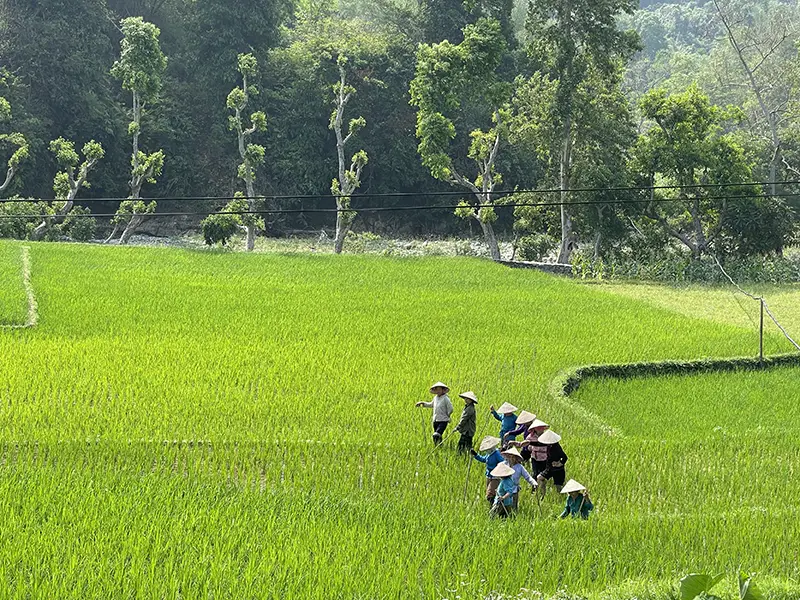
What to Pack for a Trip to Vietnam
For areas like Sapa (November–February), bring a light jacket and long pants, as temperatures can dip to 50°F (10°C). A raincoat or poncho is essential for the rainy season (June–September). Comfortable walking shoes are a must for cities and treks, as sidewalks can be uneven. For temple visits, pack outfits that cover your shoulders and knees—think a t-shirt with long pants or a maxi dress. A light scarf or shawl is also useful if you need to cover up on the go.
Include sunscreen, insect repellent, and a reusable water bottle to stay hydrated. A universal power adapter (Type A/C/F) ensures your devices stay charged. Carry a small first-aid kit with band-aids and anti-diarrhea medication, as street food can upset sensitive stomachs.
If you’re heading to more rural areas, consider bringing a few small souvenirs or fun items—like stickers or postcards—to share with local kids. It’s a simple gesture that often brings big smiles.
Useful Apps and Websites for Traveling in Vietnam
When it comes to getting around in 2026, Xanh SM is the undisputed king. While this isn’t a sponsored endorsement, we highly recommend it because of our commitment to eco-friendly and sustainable travel. Xanh SM operates a 100% electric fleet of both cars and motorbikes, allowing you to navigate busy cities without contributing to noise or air pollution. Their vehicles are modern, clean, and provide a much greener alternative for the conscious traveler.
Download Xanh SM: App Store (iOS) | Google Play (Android)
Beyond Xanh SM, these apps are essential for a smooth trip in Vietnam:
- Grab & Be: Reliable backups for ride-hailing and motorbike taxis, widely available across all major cities.
- 12Go / Baolau: The best platforms for booking trains, sleeper buses, and ferries with easy-to-use English interfaces.
- Zalo: The “WhatsApp of Vietnam.” Essential for communicating with local homestay hosts, guides, and boutique hotels.
- Shopee Food / GrabFood: Perfect for those nights when you want to enjoy local eatery flavors from the comfort of your accommodation.
- Lazada.vn: Vietnam’s premier online marketplace, useful for ordering electronics, travel gear, or essentials during a longer stay.
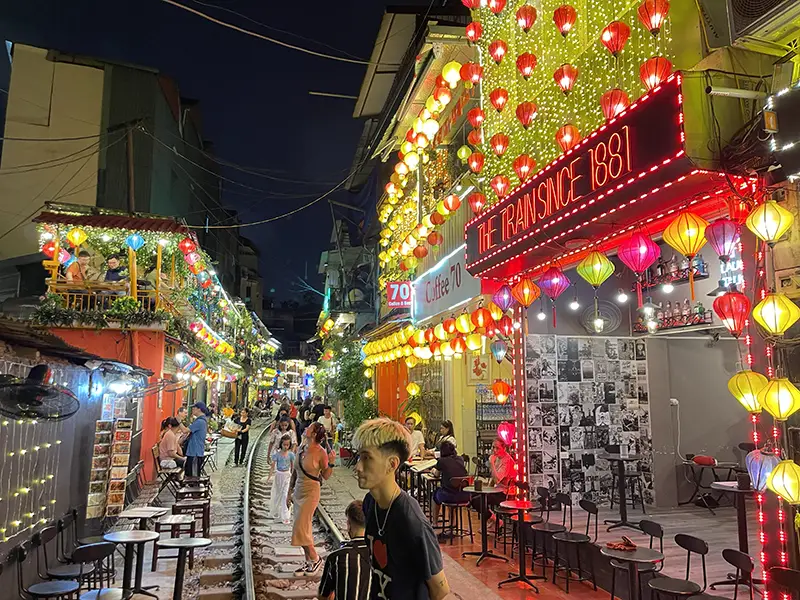
Once Inside: Vietnam Travel Tips
Once you’re in the country, the real adventure begins—and so do the small surprises. This part of our Vietnam travel guide is packed with practical info for getting around, avoiding common issues, and making the most of your time on the ground. Whether you’re navigating busy streets or heading off the beaten path, these tips will help you travel smoothly, safely, and with more confidence.
What Is the Best Way to Travel in Vietnam?
Vietnam’s transportation options cater to all budgets. In cities, Xanh SM is affordable—$1–$3 for a 10-minute ride. Motorbike taxis are even cheaper but less safe for first-timers.
Public transport like city buses is cheap (around $0.30 per trip) and, while routes can be confusing at first, Google Maps works surprisingly well in major cities. It shows bus numbers, stops, and even real-time arrival estimates—making navigation much easier for non-Vietnamese speakers.
Vietnam’s new urban metros in Hanoi and Ho Chi Minh City are a step toward easing urban congestion. While still limited in reach and not yet widely used by travelers, they offer a clean and safe alternative for navigating select neighborhoods.
For long distances, sleeper buses ($5–$20 for 4–8 hours) are a budget-friendly choice, while trains ($10–$50) provide scenic routes like the Hanoi–Hue line. Domestic flights with VietJet or Bamboo Airways cost $30–$100 for quick hops across regions.
Insider Tip
Crossing the street in Vietnam can be intimidating. The key is to walk slowly and steadily—don’t run or hesitate.Traffic flows around you. Maintain eye contact with approaching riders when possible and let them anticipate your path.
How to Behave in Vietnam: Cultural Do’s and Don’ts
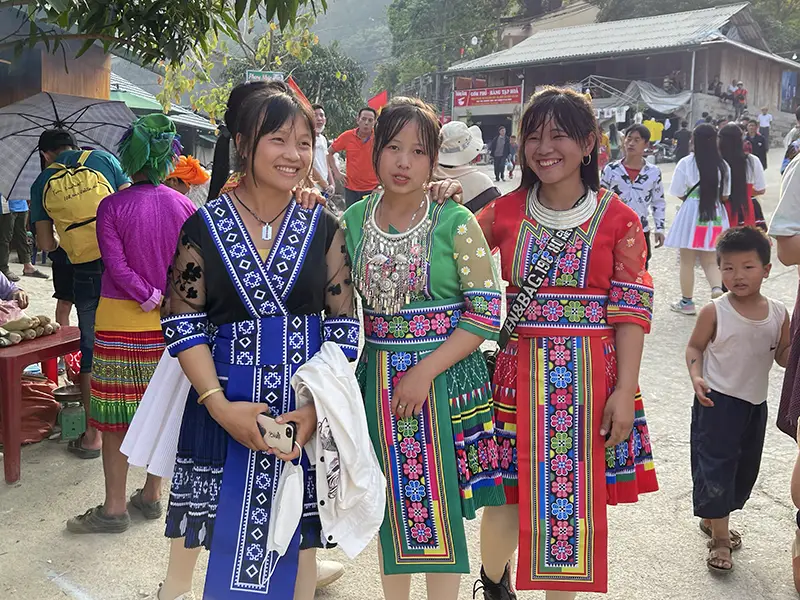
Vietnamese culture emphasizes respect, modesty, and harmony—especially in public. When visiting temples or pagodas, dress conservatively: cover your shoulders and knees (a t-shirt and long pants or a sarong will do), and always remove your shoes before entering. In homes, the same rule applies—taking off your shoes at the door is expected.
Greetings are subtle: a smile or slight nod is often enough. Handshakes are common in cities but may feel too forward in rural areas. Avoid public displays of affection, loud voices, or overt gestures, as these can come across as disrespectful or intrusive.
When paying for things, especially in more traditional or rural settings, it’s polite to give and receive money (or items) using both hands. It’s a small gesture that shows respect.
At meals, wait for the oldest or host to begin eating first. Try to finish your bowl—it shows appreciation.
Bargaining is expected in markets, but keep it light and respectful: start at about half the asking price, but smile and don’t push too hard.
Accommodation in Vietnam: What Travelers Need to Know
Vietnam offers lodging for every budget. In Hanoi or Ho Chi Minh City, hostels start at $5–$10/night, with dorm beds and basic amenities. Mid-range hotels ($20–$50/night) in Hoi An or Da Nang offer cozy rooms and breakfast. Luxury resorts in Phu Quoc or Nha Trang run $100–$300/night, with pools and beachfront views.
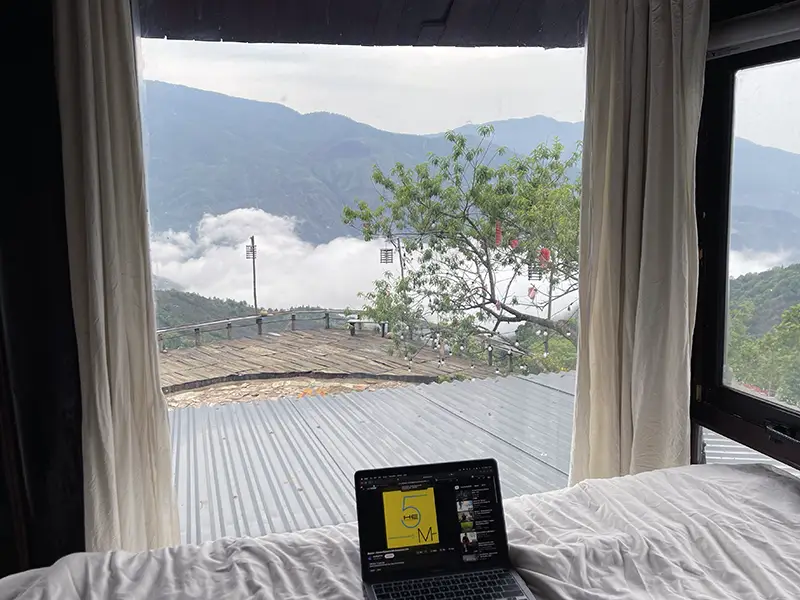
Unique stays include homestays in Sapa or the Mekong Delta ($10–$30/night), where you live with local families and share home-cooked meals. In Ha Long Bay, overnight boat cruises ($50–$150/night) combine lodging with scenic tours.
Rural homestays may lack hot water, so clarify amenities upfront.
Vietnam Food: Must-Try Dishes
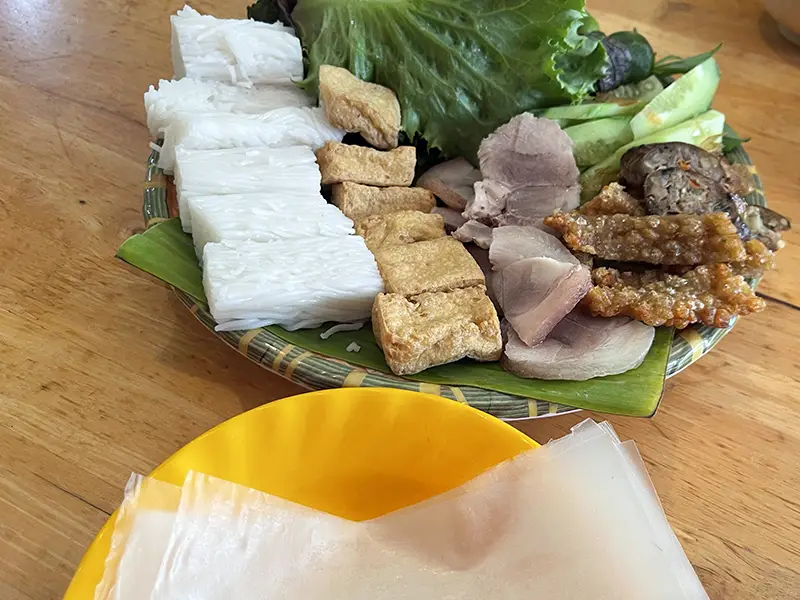
No Vietnam Travel Guide would be complete without a deep dive into the country’s culinary heart. Vietnamese cuisine is a symphony of fresh herbs, tangy sauces, and balanced flavors that vary dramatically as you move from north to south.
Pho, a fragrant beef or chicken noodle soup, is the quintessential breakfast, usually enjoyed at street-side eateries for $1–$3. For a quicker bite, Banh Mi—a crispy baguette filled with pâté, pork, and pickled vegetables—is a grab-and-go classic typically priced at $1–$2. If you find yourself in Central Vietnam, don’t miss Bun Bo Hue, a spicy and robust beef noodle soup that defines the region’s bold and royal heritage.
In the Mekong Delta, the culinary landscape shifts toward the river, where you must try ca loc nuong trui (grilled snakehead fish). Wrapped in lotus leaves and served with fresh herbs and rice paper, it offers a smoky, earthy flavor that perfectly captures the spirit of the south. To satisfy your sweet tooth, try che, a chilled coconut milk pudding, and pair it with a ca phe sua da—Vietnam’s iconic, potent iced coffee with sweetened condensed milk.
For those looking to explore the full depth of the country’s flavors, we have curated several resources:
- The Essentials: Dive into our full Vietnamese cuisine guide for a deep dive into regional cooking styles
- The Highlights: Check out our list of the 35 best dishes in Vietnam to ensure you don’t miss a single iconic bite.
- The Adventurous: Feeling brave? From trứng vịt lộn (fertilized duck egg) to nhộng (silkworm larvae), explore the weirdest foods in Vietnam for a truly unique tasting experience.
Sustainable Travel Advice
Traveling sustainably in Vietnam means making intentional choices that respect the environment and support local residents. Beyond carrying a reusable bottle, you can lower your footprint by opting for train travel over domestic flights or renting bicycles in walkable towns like Hoi An.
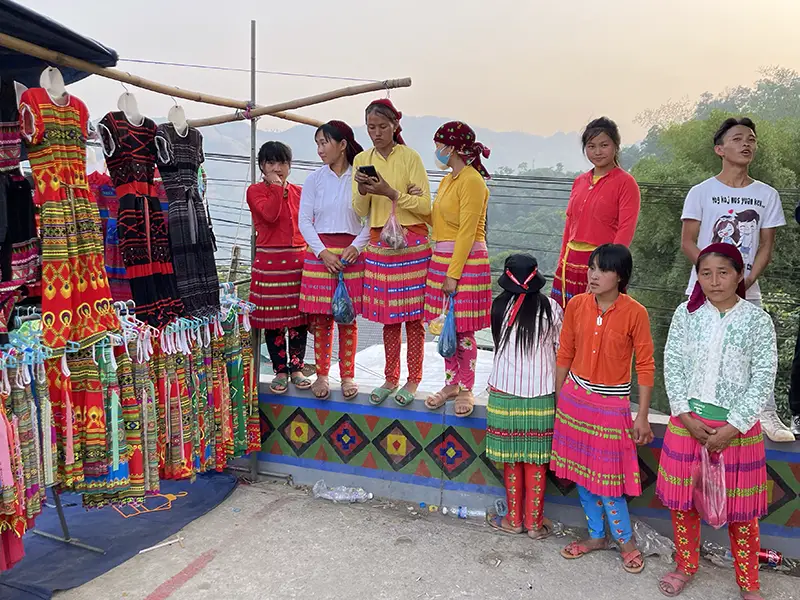
When exploring rural areas like Sapa or the Mekong Delta, choose community-based homestays and eco-tours that ensure your money directly supports ethnic minority villages. Avoid unethical animal attractions, such as elephant rides, and shop at social enterprises or craft cooperatives that pay fair wages to local artisans.
>> For more practical tips on being a conscious visitor, see our comprehensive guide to Sustainable Travel in Vietnam.
Authentic Souvenirs to Bring Home from Vietnam
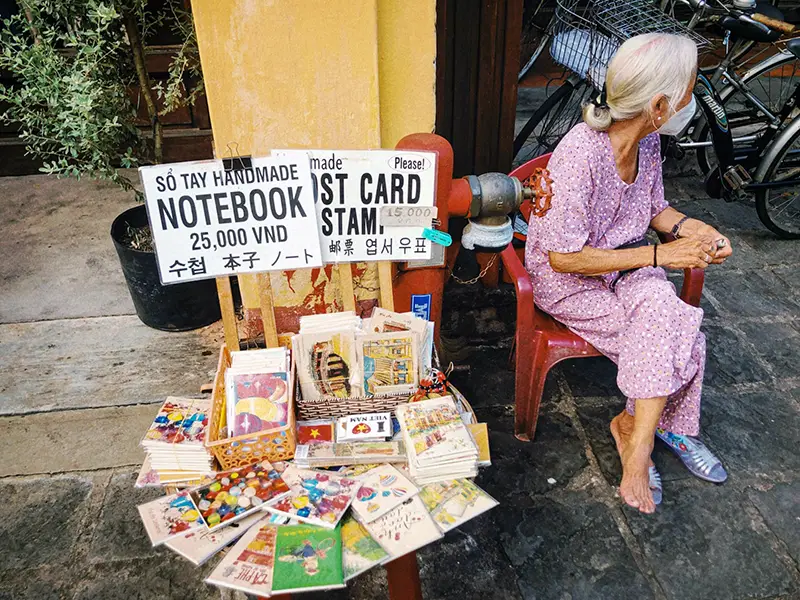
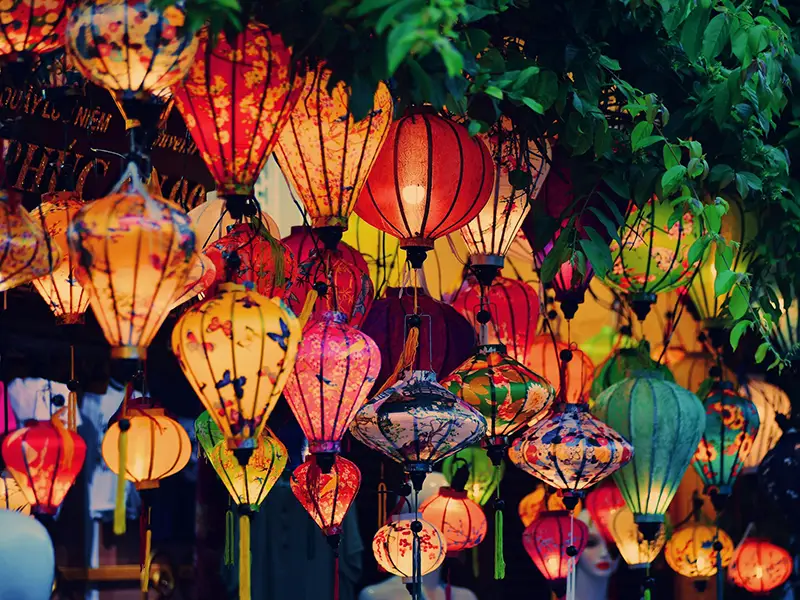
Vietnam’s souvenirs reflect its craftsmanship. In Hanoi, pick up lacquerware—hand-painted bowls or trays ($5–$20)—from Old Quarter shops. Hoi An is famous for silk lanterns ($10–$30), foldable and vibrant. In Sapa, buy handwoven textiles from Hmong or Dao artisans ($5–$15 for scarves). Conical hats (non la) cost $2–$5 and make iconic keepsakes.
Coffee also makes a great souvenir—Vietnam is known for its strong, flavorful beans. You’ll find locally roasted varieties in most supermarkets or specialty cafes, typically priced between $5–$10 a pack.
To avoid inflated prices, skip souvenir shops located near major tourist attractions or included as stops on day tours—these are often heavily marked up and operate on commission deals with tour operators. Instead, look for independent craft shops or cooperatives, especially in artisan villages or quieter neighborhoods, where quality and pricing tend to be more reasonable.
FAQ
Vietnam is considered safe for visitors, with low rates of violent crime. Petty theft like pickpocketing can occur in crowded areas, so keep belongings secure. Stick to reputable transport and tour operators to avoid scams.
November to April offers dry, pleasant weather across most regions, ideal for exploring. May and October provide fewer crowds and lower costs, while June to September is rainy but budget-friendly in the south.
Visa requirements depend on your nationality. Some countries enjoy visa-free entry for 15–45 days, while others need an e-visa ($25) or visa on arrival. Check with the Vietnamese embassy for specifics.
Don’t miss Hanoi’s vibrant streets, Ha Long Bay’s stunning karsts, Hoi An’s charming lanterns, Hue’s historic citadel, Ho Chi Minh City’s energy, and the Mekong Delta’s waterways.
Yes, Vietnam is welcoming for solo female travelers. Exercise standard precautions, like avoiding isolated areas at night and dressing modestly at cultural sites, to ensure a comfortable trip.
Wi-Fi is widely available in urban areas, and 4G and 5G coverage is strong in cities. Rural areas may have slower connections. Tourist SIM cards offer ample data for $5–$10/month.

Key Takeaways from This Vietnam Travel Guide
With this Vietnam Travel Guide, you now have a practical and updated foundation to navigate the country’s fast-evolving landscape with confidence. From mastering the new visa rules to choosing eco-friendly transport and finding the best street-side bowls of pho, you are ready to explore Vietnam with fewer logistical hurdles and more meaningful moments.
Whether you are planning a whirlwind week or a slow-paced month of discovery, keep this resource handy for every step of your trip. For deeper regional insights, specific itineraries, or the latest travel news, be sure to explore the Vietnam section on Guides and Stories.
Vietnam is waiting to surprise you—wishing you a smooth journey and unforgettable discoveries!