



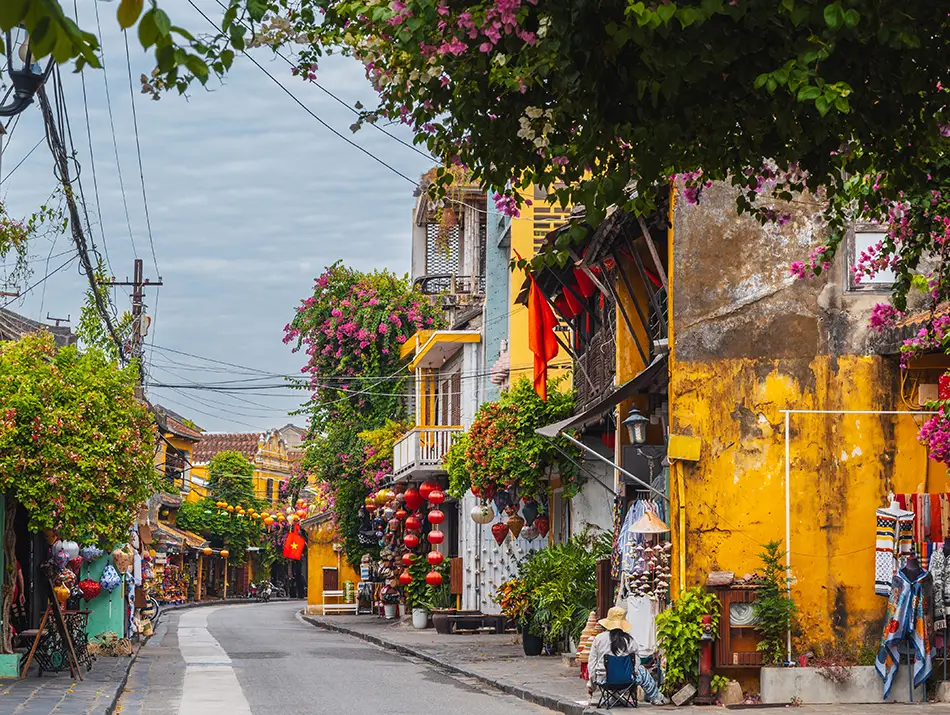
Hoi An is a small, preserved port town on Vietnam’s central coast, where daily life still moves at a measured pace. Its UNESCO-listed Ancient Town is often described as the most romantic city in Vietnam, defined by mustard-yellow merchant houses, riverfront lanes, and streets glowing with silk lanterns after dark. This carefully preserved setting has brought Hoi An repeated international recognition and frequent appearances in travel rankings and television programs focused on food and culture. Many of the best things to do in Hoi An naturally revolve around this historic core, from food-focused experiences to its long-established tailoring scene.
The town appeals most to travelers drawn to history, atmosphere, and slow exploration rather than constant movement. Those expecting a large city or untouched natural landscapes may find the experience overly curated. Crowds are common, particularly in the evenings, and popularity is an unavoidable part of Hoi An’s appeal.
Table of Contents
One-Minute History Lesson
Hoi An’s character was forged in its heyday as a major Southeast Asian trading port between the 15th and 19th centuries. Foreign merchants from China, Japan, and Europe settled here, creating a unique cultural fusion still visible in the architecture.
You can see this blend in the Japanese Covered Bridge, Chinese assembly halls, and Vietnamese merchant houses with later European influences.
When the Thu Bon River silted up, the port’s prominence faded, and trade shifted to nearby Da Nang. This economic decline inadvertently preserved Hoi An, freezing it in time until it was rediscovered by tourists and declared a UNESCO World Heritage site in 1999.
Hoi An at a Glance
- Known For: A beautifully preserved UNESCO Ancient Town, vibrant silk lanterns, and a renowned custom tailoring industry.
- Best Time to Visit: The dry season generally runs from February to August; for the most comfortable sightseeing weather, aim for February to April.
- Getting There: The nearest airport is in Da Nang (DAD). From there, it’s a 45-minute drive by taxi, Grab, or shuttle bus.
- How Long to Stay: A day trip from Da Nang is possible, but 2–3 nights allow for a relaxed exploration of the town, countryside, and beaches.
Average Daily Spending
- Budget: 750,000–1,000,000 VND ($30–$40 / €27–€36)
- Mid-Range: 1,500,000–2,500,000 VND ($60–$100 / €54–€90)
- Luxury: From 4,000,000 VND ($160 / €145)
Planning Your Trip to Hoi An
Best Time to Visit Hoi An
The ideal time to visit is during the dry season, which runs from February to August. February through April is particularly pleasant, with comfortable temperatures and low humidity. From May to August, the weather becomes hotter and more humid, which can be draining for long days of walking.
The rainy season lasts from September to January, bringing heavy downpours and a risk of flooding, especially in October and November. While prices are lower, the weather can disrupt travel plans.
For a unique experience, time your visit with the Full Moon Lantern Festival, which occurs on the 14th day of each lunar month.
How Long to Stay in Hoi An
Hoi An can be experienced on different timelines. A quick visit from Da Nang allows you to see the main highlights of the Ancient Town, such as the Japanese Covered Bridge and a few old houses. If timed well, you can also fit in a short lantern boat ride on the river in the early evening. This is a good option if you are short on time.
However, to truly appreciate the town’s atmosphere, a stay of two to three nights is recommended. This provides enough time to get clothes tailored, take a cooking class, explore the surrounding countryside by bicycle, and relax at An Bang Beach without feeling rushed.
A longer stay of four or more days is justified for those who want to use Hoi An as a base for day trips to My Son Sanctuary or the Marble Mountains, or for anyone simply wishing to unwind and soak in the tranquil pace of life.
How to Get to Hoi An: Transportation Options

As Hoi An does not have its own airport or train station, most travelers arrive via the nearby city of Da Nang. The journey is straightforward, with several practical options for how to get to Hoi An depending on your budget and travel style.
The most common method is a taxi or ride-hailing service like Xanh SM. The 18-mile (30 km) trip takes about 45 minutes and costs around 400,000–500,000 VND ($16–$20 / €14.50–€18).
For budget travelers, the public bus is the cheapest option, but routes and numbers vary, commonly route 01 and the LK02 or 02 services. Expect roughly 20,000–35,000 VND ($0.80–$1.40 / €0.75–€1.30) and a travel time of about 60–80 minutes depending on the route.
Getting Around
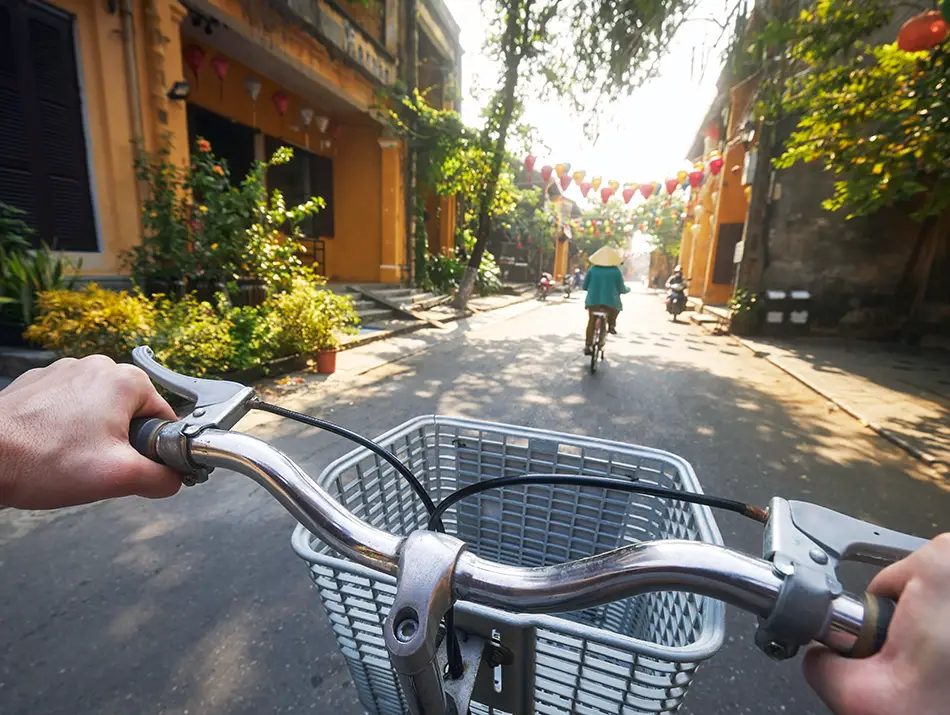
The Ancient Town of Hoi An is largely pedestrianized, making it perfect for walking. Its compact size means all major sights within the historic core are easily reached on foot. For exploring further, renting a bicycle is a popular and inexpensive option, ideal for trips to the rice paddies or the beach.
The experience of getting around Hoi An can also include a cyclo ride, though this is purely a tourist activity. Be sure to negotiate the price firmly before you start your journey to avoid any misunderstandings.
Where to Stay in Hoi An: Accommodation Areas and Options

Accommodation in Hoi An is plentiful, ranging from budget homestays to luxury resorts. The best area depends on your priorities. Staying directly in the Ancient Town offers incredible atmosphere and convenience, but it comes with higher prices and evening crowds. The Cam Pho area, just west of the historic core, provides a quieter alternative while remaining within easy walking distance.
For a more local feel, consider the Cam Chau neighborhood, situated between the town and the beach. Here, you’ll find charming homestays and small hotels set among serene rice paddies.
If your focus is the sea, the An Bang Beach area offers beachfront guesthouses and a laid-back vibe, though you’ll need a taxi or bicycle to get to the Ancient Town.
Finally, the Cam Thanh area, known for its water coconut palm forests, is perfect for those seeking eco-lodges and a tranquil, rural setting.
Is it Expensive to Visit Hoi An in 2026?
Whether Hoi An is expensive depends largely on your travel style, but overall it remains one of Vietnam’s more affordable destinations. It is easy to visit on a tight budget, while still offering plenty of options for mid-range comfort and luxury stays. Below are some typical costs as of 2026.
- Hoi An Ancient Town Entry (Adult): VND 120,000 ($4.50 / €4.00)
- Bay Mau Coconut Forest Basket Boat Ride: VND 150,000 ($5.50 / €5.00)
- Standard 3-Star Hotel: VND 580,000–1,100,000 ($22.00–42.00 / €19.00–36.00) per night
- Budget Hostel Dorm Bed: VND 105,000–210,000 ($4.00–8.00 / €3.50–7.00) per night
- Meal at an Inexpensive Local Restaurant: VND 50,000 ($2.00 / €1.50)
- Motorbike Rental (Economy Scooter): VND 130,000–160,000 ($5.00–6.00 / €4.50–5.00) per day
- Intercity Transport (Hoi An to Da Nang): VND 130,000–150,000 ($5.00–5.50 / €4.50–5.00)
Best things to See in Hoi An: Sights & Attractions
Hoi An presents a collection of well-preserved historical sites concentrated within its old quarter and surrounding countryside. Many of the top attractions in Hoi An require a single entrance ticket for access to the Ancient Town. These sites offer a direct look into the town’s past as a bustling trading port.
The architecture reflects a blend of Vietnamese, Chinese, and Japanese influences.
Hoi An Ancient Town
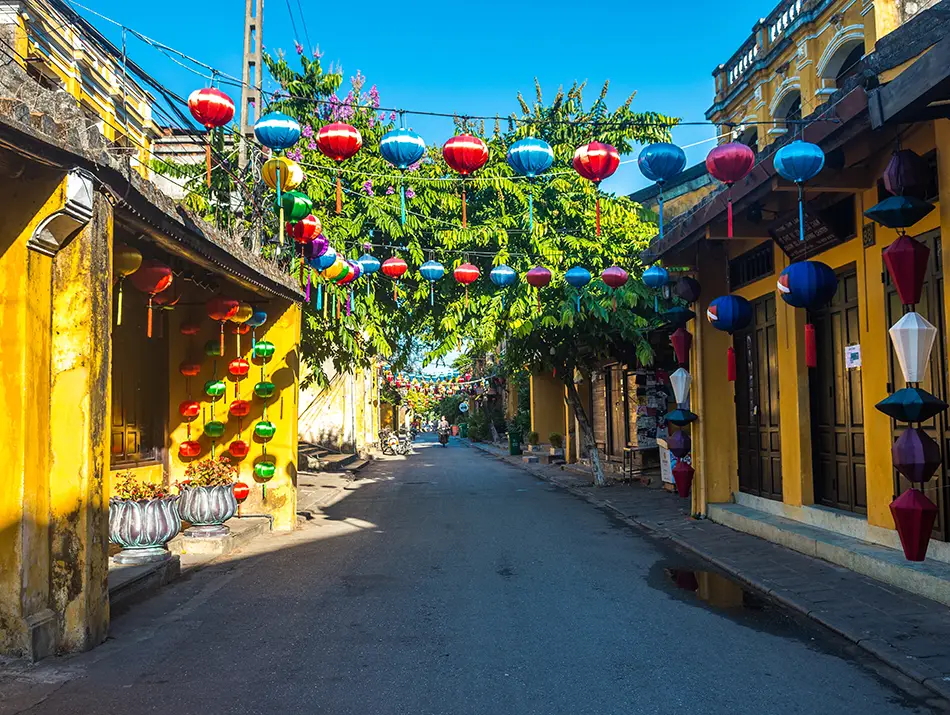
Hoi An Ancient Town is the historical heart of the city, recognized by UNESCO for its exceptionally preserved Southeast Asian trading port architecture. The area features hundreds of timber-frame buildings, including temples, assembly halls, and traditional shophouses. The town’s signature yellow-walled buildings line the roads and the Thu Bon River.
The town’s atmosphere changes significantly from day to night. In the evening, silk lanterns illuminate the streets and the river, creating a distinct visual experience.
Expect large crowds, especially in the evening and during peak tourist season.
Japanese Covered Bridge (Chùa Cầu)

The Japanese Covered Bridge is an iconic landmark of Hoi An, originally constructed in the 1590s by the Japanese community. The bridge connects the Japanese quarter with the Chinese quarter over a small canal. It features a temple built into its side, dedicated to the northern deity Tran Vo Bac De, who is believed to control the weather. The structure’s ornamentation and design are unique.
For visitors, the bridge is a natural stop during a walking exploration of the Ancient Town. It sits directly on one of the main pedestrian routes and is easy to pause at while moving between nearby streets and riverfront areas. The structure is a popular photo spot, especially in the early morning or late afternoon when the light is softer and crowds are thinner.
Many travelers recognize the bridge from the 20,000 VND banknote, which adds to its appeal as a small but meaningful landmark. Viewing it from different angles along the canal helps highlight its distinctive shape and roofline. While the visit is brief, it fits seamlessly into a slow walk through the historic core and provides a clear visual reference to Hoi An’s layered past.
- Combines With: Quan Cong Temple, waterfront restaurants, and the main market.
- Location on Google Maps
>> If you enjoy discovering these types of architectural gems, our guide to the best bridges in Vietnam features more epic structures that define the country’s skyline.
Phuc Kien Assembly Hall (Hoi Quan Phuoc Kien)
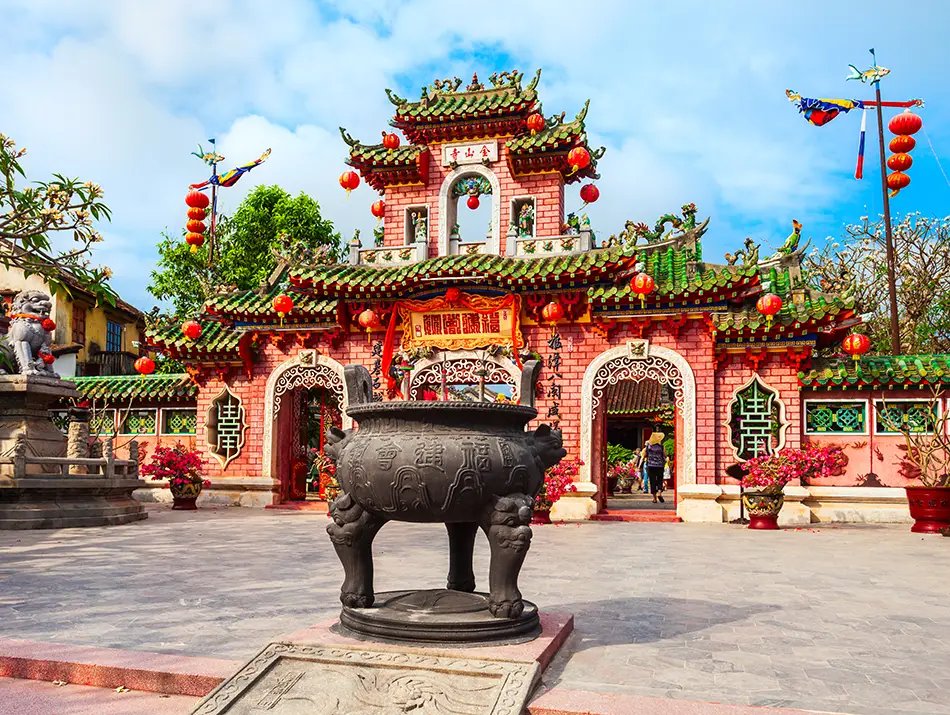
Originally a traditional pagoda, it was later transformed into an assembly hall for the Fujian community. Its ornate triple-arched gate is a prominent feature on Tran Phu Street. The grounds contain multiple courtyards, temples, and gardens.
Inside, you will find elaborate statues of deities, detailed woodcarvings, and impressive murals. The main temple is dedicated to Thien Hau, the goddess of the sea, who protects sailors. The rear courtyards feature intricate dragon sculptures and models of traditional Chinese ships. The hall provides a quiet and contemplative space away from the busier streets.
- Hours and Tickets: 7:30 AM to 5:00 PM daily.
- Travel Tip: Visit the back courtyard to see the detailed dragon fountain and the fertility shrines, which are popular with locals.
- Location on Google Maps
An Bang Beach
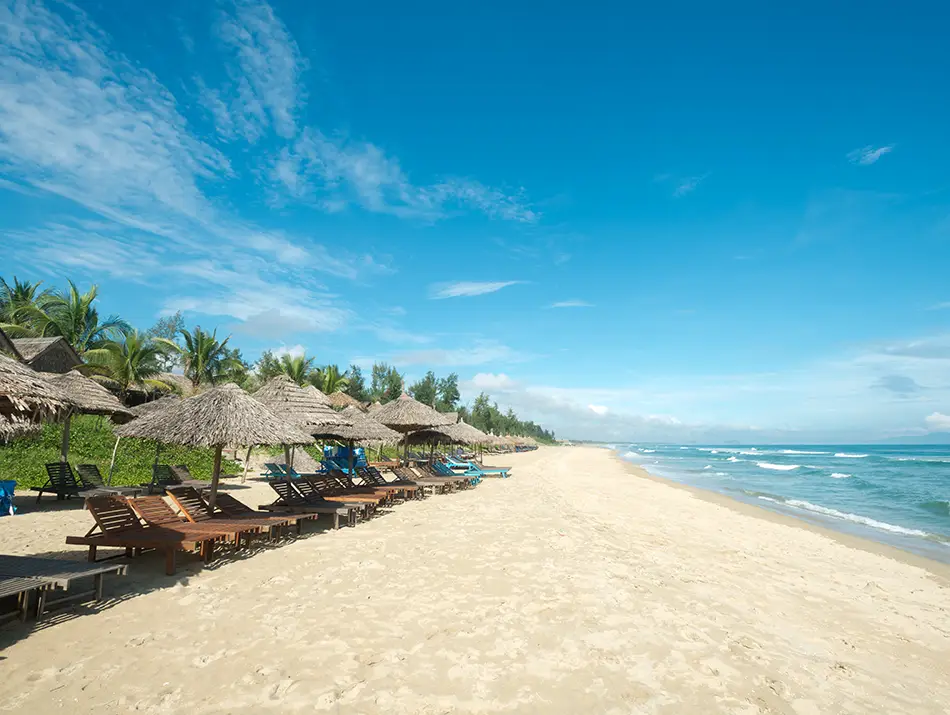
An Bang Beach is located about 3 miles (5 kilometers) from the Ancient Town. It offers a wide stretch of sand and is a popular spot for both tourists and locals. Restaurants, bars, and guesthouses line the beach. The water is generally calm and suitable for swimming, particularly from March to August.
Most visitors rent a sun lounger from one of the beachfront restaurants. These are often free if you purchase food or drinks. The atmosphere is relaxed, though the main section can get crowded. Vendors selling snacks and souvenirs are common.
- Hours and Tickets: Parking for motorbikes costs around 10,000 VND.
- How to Get There: A 15-minute taxi or Grab ride from the town center. Cycling is also a popular option.
- Combines With: Tra Que Vegetable Village is located on the route between the Ancient Town and the beach.
- Location on Google Maps
Hoi An Impression Theme Park
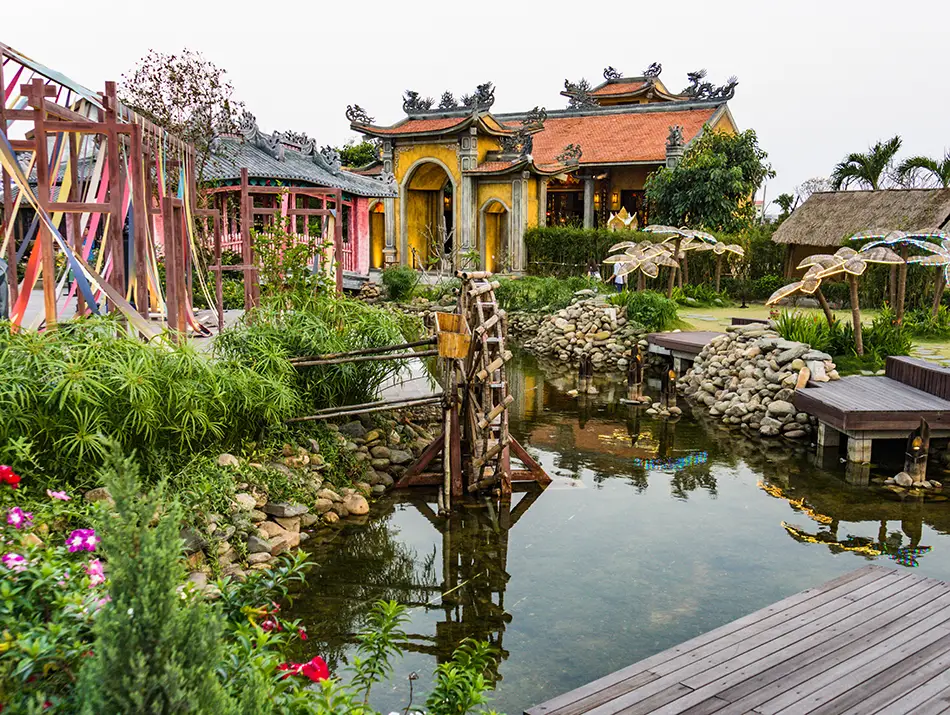
Hoi An Impression Theme Park is a large cultural complex located on an island along the Hoai River, just south of the Ancient Town. The park combines themed architecture, walking areas, restaurants, and performance spaces designed to showcase different periods of Hoi An’s history. While it is often grouped with traditional attractions, the experience leans more toward staged cultural entertainment than historical sightseeing.
During the daytime, visitors can walk through recreated streets, craft zones, and exhibition areas representing various eras of the town’s past. The setting feels purpose-built and theatrical rather than authentic, which makes it visually engaging but clearly separate from the real Ancient Town. For many travelers, the daytime visit alone feels optional unless paired with the evening show.
The main draw is the Hoi An Memories Show, a large-scale outdoor performance held nightly. The show uses hundreds of performers, elaborate lighting, music, and choreography to depict key moments in Hoi An’s history, from early settlement to its peak as a trading port. Even without understanding the narration, the visual production is impressive and easy to follow. Seating is organized by ticket tier, and the experience feels closer to a cultural spectacle than a traditional performance.
- Hours and Tickets: The theme park opens in the afternoon, with the main show starting in the evening. Combined tickets typically range from 600,000–750,000 VND ($24–$30 / €22–€27) depending on seating category.
- How to Get There: About a 5–10 minute taxi or Grab ride from the Ancient Town. Some tickets include shuttle transport from central locations.
- Time Needed: 2–3 hours if attending the evening show, longer if exploring the park beforehand.
- Official Website: hoianmemoriesland.com
Tra Que Vegetable Village

Tra Que Vegetable Village is a small farming community situated between Hoi An’s town center and An Bang Beach. For generations, local farmers have cultivated herbs and vegetables here using traditional, organic methods. They use a specific type of algae found in a local lagoon to fertilize the soil, which gives the produce a unique flavor.
You can walk or cycle through the neat garden beds and observe farmers at work. Some local families offer informal tours, cooking classes, or the chance to participate in farming activities like tilling the soil and watering plants. The experience provides a peaceful break from the bustling town and a direct connection to local agriculture.
- Hours and Tickets: Open during daylight hours. A nominal entrance fee of 35,000 VND ($1.40 USD / €1.30 EUR) is sometimes collected at the entrance.
- How to Get There: It is an easy 1.5-mile (2.5-kilometer) bicycle ride from the Ancient Town.
- Combines With: A visit to An Bang Beach, as it is on the same route.
- Location on Google Maps
Thanh Ha Pottery Village
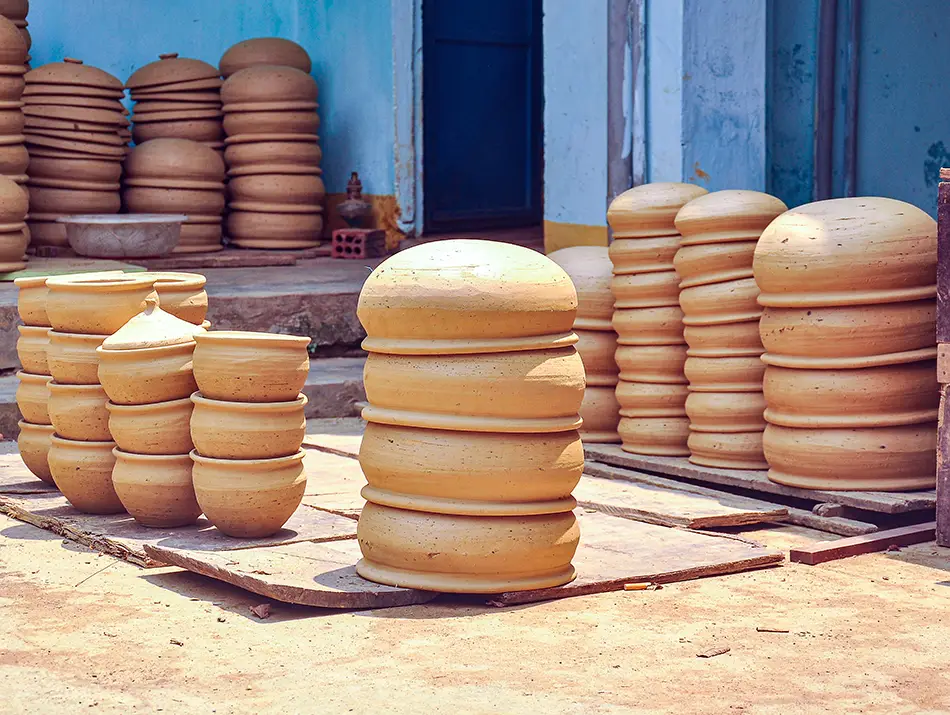
Thanh Ha Pottery Village has a history of craft spanning over 500 years. Located on the banks of the Thu Bon River, this village continues to produce pottery using traditional techniques. The clay is sourced locally, and items are fired in wood-burning kilns.
You can walk through the village and observe artisans at work. Many workshops allow you to try your hand at the potter’s wheel with guidance from a local craftsperson. There is also a small museum, Thanh Ha Terracotta Park, which displays intricate terracotta sculptures. The experience is interactive and offers a look at a fading traditional craft.
- Hours and Tickets: Open daily. Entrance fee is 35,000 VND (approx. $1.40 USD / €1.30 EUR).
- How to Get There: About 2 miles (3 kilometers) west of the Ancient Town.
- Time Needed: 1.5-2 hours.
- Combines With: Kim Bong Carpentry Village, which is across the river.
- Travel Tip: The fee to try the pottery wheel is often separate from the village entrance fee. Clarify costs before you start.
- Location on Google Maps

Famous Museums in Hoi An
- 📍Museum of Trade Ceramics: Showcases pottery and ceramic artifacts from Asia and the Middle East, highlighting Hoi An’s role in the historic maritime trade.
- 📍Sa Huynh Culture Museum: Displays relics from the pre-historic Sa Huynh civilization, which inhabited the region over 2,000 years ago.
- 📍Museum of Folk Culture: Exhibits artifacts and displays illustrating the traditional crafts, daily life, and cultural practices of the region’s rural inhabitants.
- 📍Museum of Traditional Medicine: Presents exhibits on the tools, ingredients, and methods used in traditional Vietnamese healing practices.
- 📍Precious Heritage Art Gallery Museum: Features a collection of large-format portraits by French photographer Réhahn, documenting Vietnam’s 54 ethnic groups.
- 📍Thanh Ha Terracotta Park: A museum and workshop space in the pottery village, featuring intricate terracotta sculptures and miniature replicas of world landmarks.
Best things to Do in Hoi An: Activities & Experiences
Beyond sightseeing, the city offers many hands-on experiences that connect you with local culture and crafts. These Hoi An activities range from river excursions to artisan workshops. They provide an opportunity to learn new skills and interact directly with local residents. Most workshops and classes can be booked a day or two in advance through local tour operators or directly with the providers.
Ride a Basket Boat in the Cam Thanh Coconut Forest

The Cam Thanh Coconut Forest is a large area of water coconut palms located a few miles from Hoi An. Here, you can take a ride in a thung chai, a traditional round bamboo basket boat. Local guides paddle you through the narrow channels of the forest.
The experience is heavily geared toward tourists. During the 45- to 60-minute ride, boat operators often perform tricks, such as spinning the basket boat rapidly. You may also see demonstrations of traditional fishing techniques. The atmosphere is energetic, with loud music often playing from multiple boats. While it offers a unique photo opportunity, the experience can feel staged and crowded.
- Hours and Tickets: Typically 8:00 AM to 5:00 PM. Prices vary by operator but average 90,000–150,000 VND (approx. $3.60–$6 USD / €3.30–€5.50 EUR) per person.
- How to Get There: A 10-minute taxi ride from the Ancient Town. Many tours include hotel pickup.
- Time Needed: 1-1.5 hours.
- Travel Tip: Negotiate the price and duration before getting in the boat to avoid misunderstandings.
- Location on Google Maps
Get Custom Clothing Made
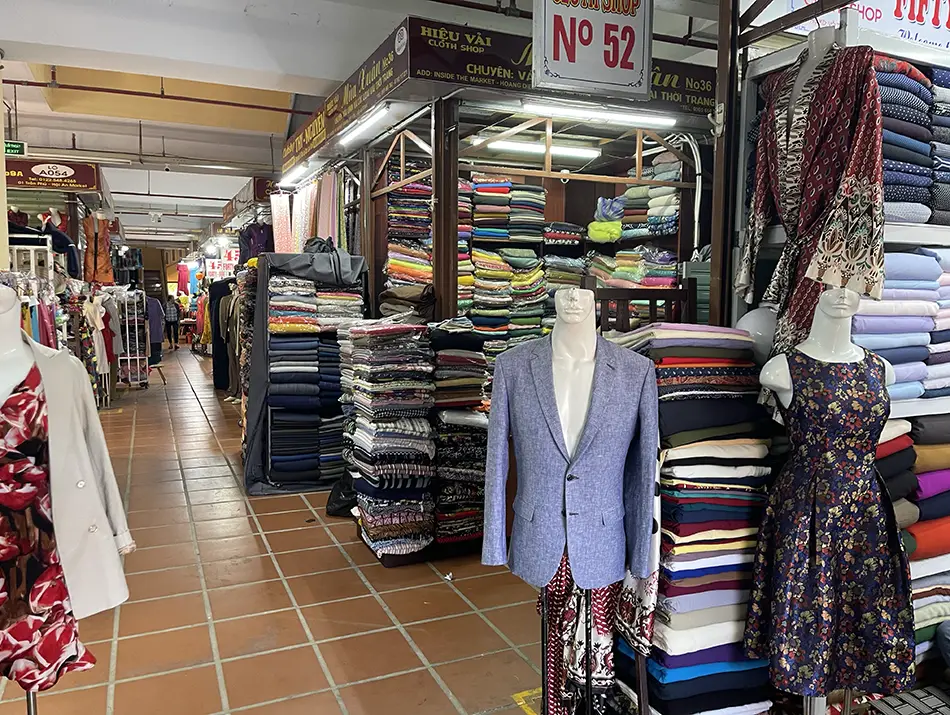
Hoi An is famous for its tailoring industry, with hundreds of shops offering custom-made clothing. You can have suits, dresses, shirts, and other garments made to your measurements in just a few days. The process typically involves choosing a design, selecting fabric, getting measured, and returning for one or two fittings.
The quality and price of tailoring can vary significantly between shops. It is important to read recent reviews and manage expectations.
Bring photos or a clear idea of what you want. Be prepared for a collaborative process and do not hesitate to ask for adjustments during fittings.
Travel Tip: Choose a mid-range tailor for a good balance of quality and price. The cheapest options often use lower-quality materials and may rush the work.
Attend a Vietnamese Cooking Class

Hoi An is a popular place to learn about Vietnamese cuisine. Most cooking classes offer a similar format: a guided tour of a local market to learn about ingredients, followed by a hands-on cooking session in a classroom or a local home. You typically prepare several local dishes, such as spring rolls, pho, or banh xeo (crispy pancake).
These classes cater to all skill levels and provide a hands-on way to understand local flavors and cooking techniques. The accompanying market tour adds valuable context, showing where ingredients come from and how they are used in Vietnamese cuisine.
With many options available around town, classes are easy to book through hotels or local tour agencies.
- Hours and Tickets: Classes are offered in the morning and afternoon. Prices range from 600,000–900,000 VND (approx. $24–$35 USD / €22–€33 EUR) per person.
- Time Needed: 4-5 hours, including the market tour.
- Travel Tip: Choose a class with a smaller group size for more personalized instruction and a better hands-on experience.
Take an Evening River Ride

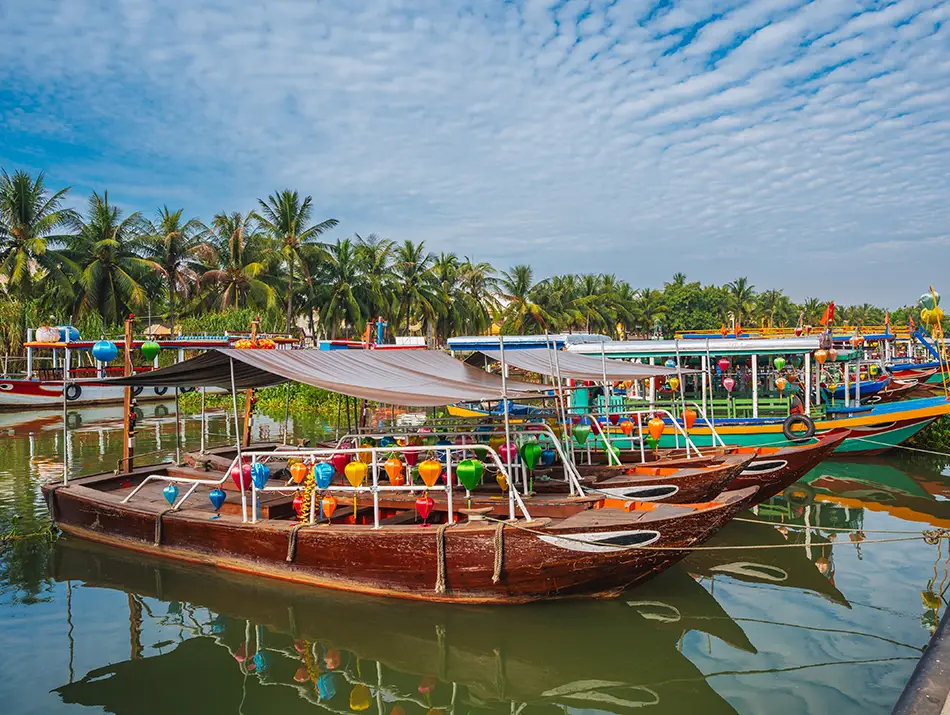
As evening falls, the Thu Bon River becomes a central point of activity. Small wooden sampan boats offer short rides along the water, lit by the lanterns of the town. This is one of the most popular Hoi An activities.
During the ride, you can purchase a small paper lantern to release onto the river, a gesture commonly associated with good luck. In the early evening, especially between 7:00 PM and 8:30 PM, the river becomes crowded with boats. The 20-minute journey is visually appealing and unhurried, though it remains a clearly commercialized tourist experience.
- Hours and Tickets: Boats operate from late afternoon until about 9:30 PM. A 20-minute ride for two people costs around 150,000 VND ($6 USD / €5.50 EUR).
Attend a Lantern Making Class
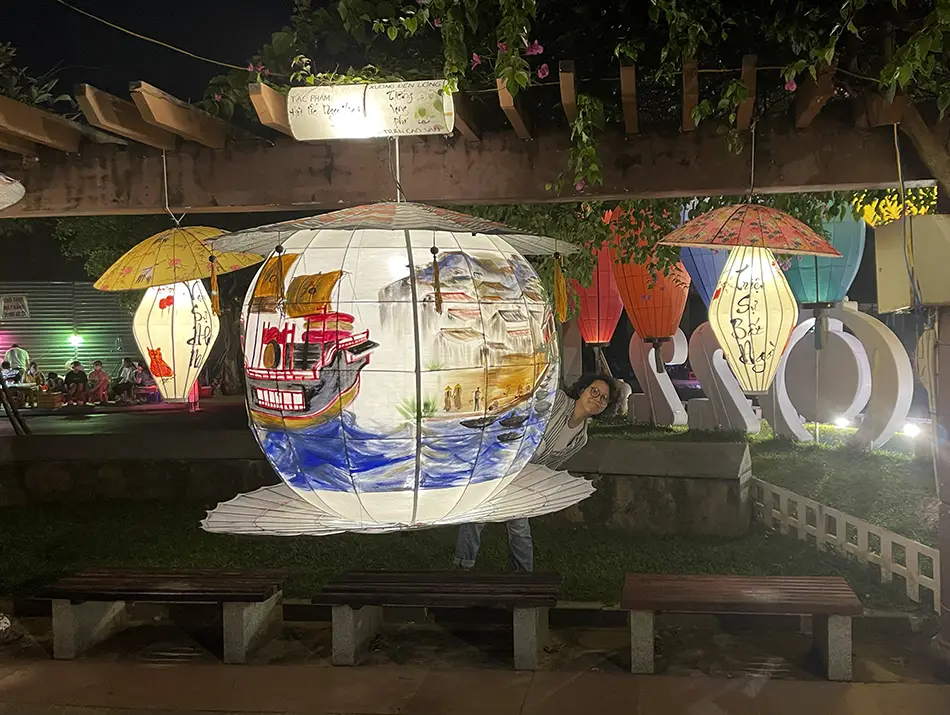
Hoi An’s silk lanterns are one of the town’s most recognizable features, so it is no surprise that several workshops offer classes where you can make your own. These sessions teach the traditional method of constructing a lantern using a bamboo frame covered with silk cloth.
The process is straightforward, and instructors guide you through each step, from shaping the bamboo to applying the silk. You can choose the size, shape, and color of your lantern. At the end of the 2- to 3-hour class, you have a finished lantern to take home as a souvenir.
The lanterns are designed to be foldable for easy transport.
- Hours and Tickets: Classes are available throughout the day. A class costs around 250,000 VND (approx. $10 USD / €9.20 EUR) per person.
- Time Needed: 2-3 hours.
Explore Hoi An on Foot Beyond the Ancient Town
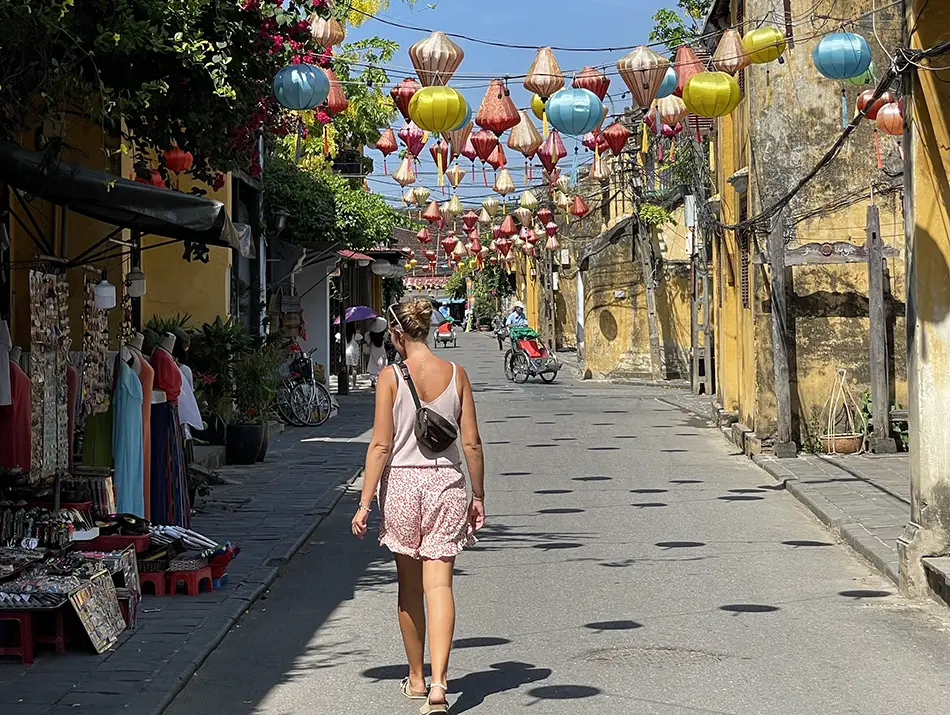
These neighborhoods do not have major ticketed attractions but offer a look at different facets of the town, from busy markets to quiet residential lanes. Wandering these areas provides a more spontaneous way to see local life.
- An Hoi Islet: Located just across the An Hoi Bridge from the Ancient Town, this area is known for the Hoi An Night Market. During the day, it is much quieter, with riverside cafes and residential homes. A walk here in the late afternoon allows you to see the market being set up.
- Alleys off Tran Phu and Nguyen Thai Hoc Streets: Dive into the narrow alleys that branch off the main streets of the Ancient Town. Here you will find private homes, small family-run eateries, and hidden temples. This is a way to escape the crowds on the main thoroughfares and see where local residents live and work.
- Cam Nam Island: Accessible via a short bridge just south of the Ancient Town, this island offers a glimpse into more rural life. It is mostly residential, with small farms and quiet roads. The area near the Cam Nam Bridge has several local eateries popular with residents.
Best Day Trips From Hoi An
Hoi An serves as an excellent base for exploring the wider Quang Nam province and the nearby city of Da Nang. These day trips showcase the region’s diverse history and natural landscapes. You can easily arrange them through local tour operators or by hiring a private car for the day.
My Son Sanctuary
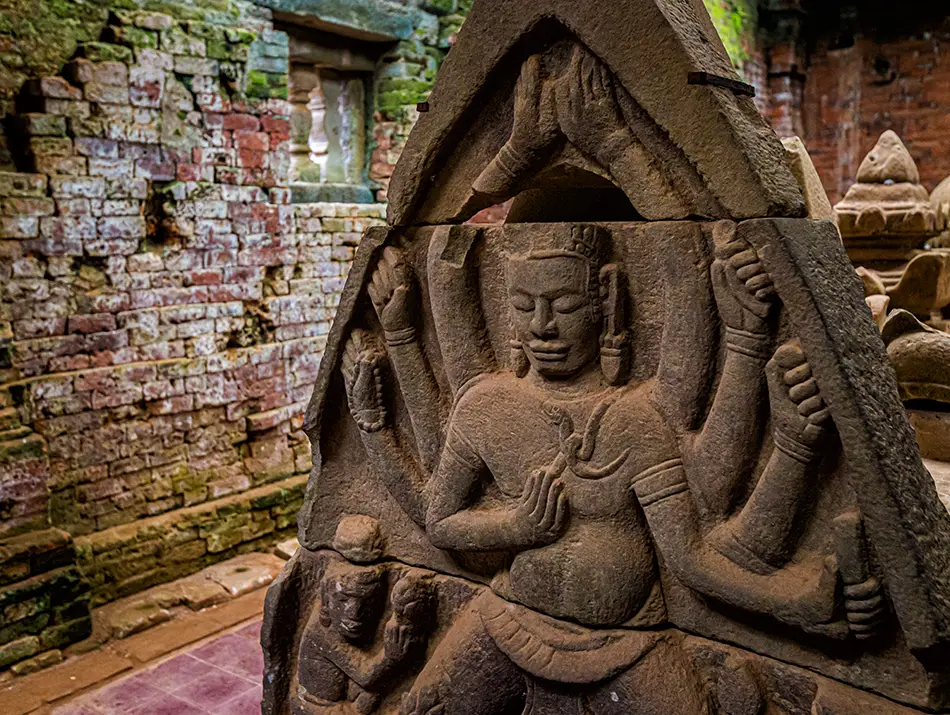
My Son Sanctuary is a UNESCO World Heritage site consisting of a cluster of abandoned and partially ruined Hindu temples. Constructed between the 4th and the 14th century by the Champa kings, these temples were dedicated to the god Shiva. The site is located in a lush valley surrounded by hills.
Visitors can explore the different temple groups, which showcase impressive Champa-era brick masonry and stone carvings. Much of the site was damaged by bombing during the Vietnam War, and the ruins stand as a solemn reminder of that conflict.
The remote setting and historical weight make it a compelling visit.
- Hours and Tickets: 6:00 AM to 5:00 PM daily. The entrance fee is 150,000 VND (approx. $6 USD / €5.50 EUR).
- How to Get There: It takes about an hour by car or motorbike. Group tours are widely available.
- Time Needed: 4-5 hours, including travel time.
- Location on Google Maps
Marble Mountains (Ngu Hanh Son)
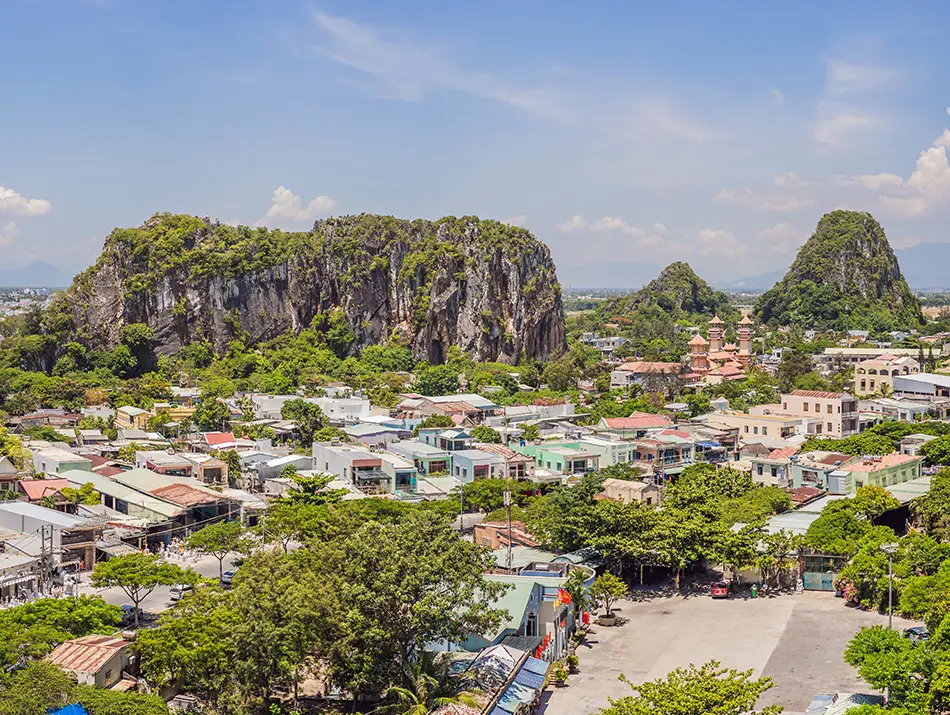
The Marble Mountains are a cluster of five limestone and marble hills located in Da Nang. Each mountain is named after one of the five elements: metal, water, wood, fire, and earth. The largest and most visited mountain, Thuy Son (Water Mountain), features a network of caves, tunnels, and Buddhist sanctuaries.
You can climb the stone steps or take an elevator to the top of Thuy Son. From the various viewpoints, you get panoramic views of the coastline and surrounding area. Inside the caves, you will find Buddhist grottoes with intricate statues.
The site can be physically demanding due to the many stairs. Most people visit as a day trip from Hoi An, though some travelers based in Da Nang visit from there.
- Hours and Tickets: 7:00 AM to 5:30 PM daily. Entrance costs 40,000 VND ($1.60 / €1.50). Am Phu Cave requires a separate 20,000 VND ticket ($0.80 / €0.75). The elevator costs 15,000 VND ($0.60 / €0.55) each way.
- How to Get There: Located about 12 miles (20 kilometers) north of Hoi An. A taxi or private car takes about 30 minutes.
- Time Needed: 2-3 hours to explore Thuy Son.
- Location on Google Maps
Off the Beaten Path
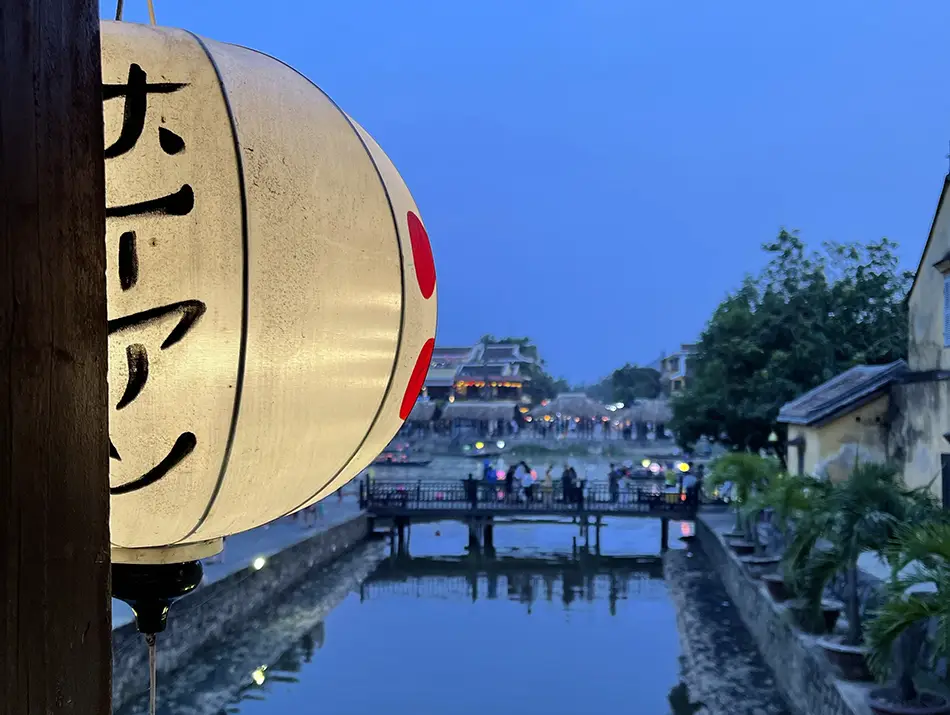
For those looking to move beyond the main tourist circuits, these locations offer a view into the everyday life and traditional industries of the Hoi An area. These are not structured attractions but living communities where people work and reside.
When visiting, it is important to be respectful of private property and local customs. Because these areas see fewer tourists, you may receive more attention from locals. These experiences are best for travelers comfortable with more independent exploration.
Kim Bong Carpentry Village (Cam Kim Island)
Kim Bong Carpentry Village is located on Cam Kim Island, just across the river from Hoi An’s Ancient Town. For centuries, this village has been renowned for its skilled woodworkers and boat builders. Many of the intricate carvings seen in Hoi An’s historic buildings were crafted by artisans from this village.
You can visit workshops to see carpenters at work using traditional tools to create furniture, statues, and other detailed wood products. The atmosphere is low-key, with no formal tours or ticket booths. It is an opportunity to observe a traditional craft in its authentic setting without the commercialism found elsewhere.
- Hours and Tickets: Workshops are generally open during daytime business hours.
- How to Get There: Take the local ferry from the ferry dock on Bach Dang Street in Hoi An, or cycle across the Cam Kim Bridge.
- Time Needed: 1-2 hours.
- Combines With: A bicycle ride around the peaceful roads of Cam Kim Island.
- Travel Tip: Be respectful when entering workshops. A polite nod and smile are usually enough to be welcomed in to observe.
- Location on Google Maps
Tra Nhieu Fishing Village
Tra Nhieu is a small, traditional fishing village nestled among the waterways of the Thu Bon River delta. It offers a look at a way of life that has changed little over the generations. The village is surrounded by nipa palm forests and aquaculture ponds.
The main activity here is simply observing the daily routines of the local fishing community. You can see residents mending nets, repairing boats, and weaving sleeping mats from river reeds. There are no major sights, just quiet paths for walking or cycling. It provides a peaceful contrast to the tourist-focused activities in Hoi An.
- How to Get There: Located about 2.5 miles (4 kilometers) from the Ancient Town, best reached by bicycle or a short boat trip.
- Travel Tip: The village paths are narrow and unpaved in places. A bicycle is the ideal way to explore the area at a slow pace.
- Location on Google Maps
Best Sunset Spots in Hoi An
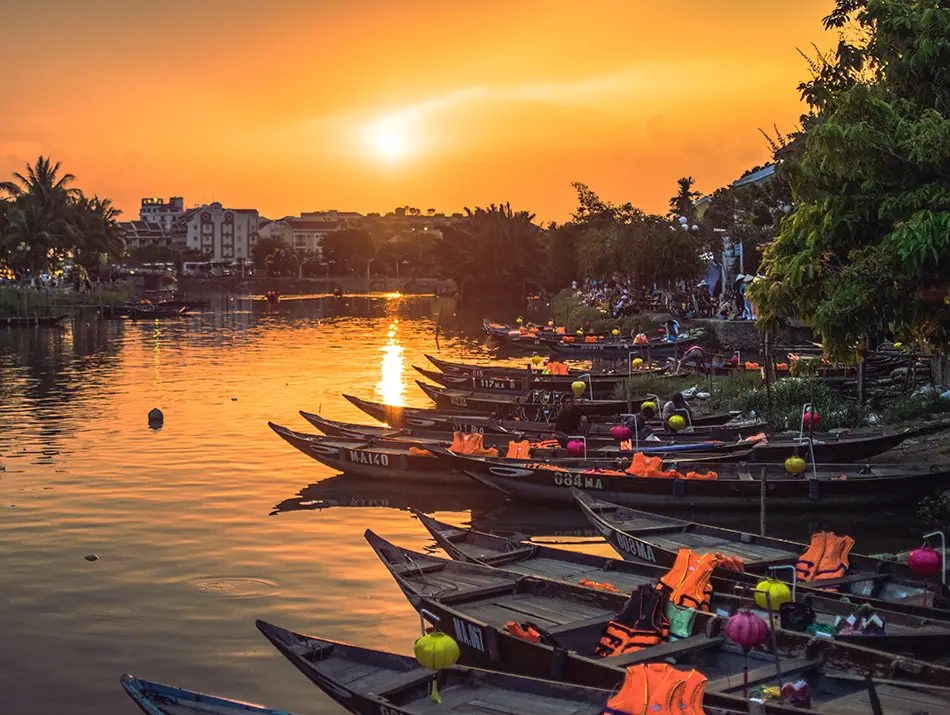
Hoi An offers several scenic spots to watch the day end, though it is not known for dramatic ocean sunsets as the coast faces east. One of the most popular locations is along the Thu Bon River. Find a spot on the Cua Dai Bridge or a riverside cafe in the Ancient Town to watch the sky change colors as boats drift by.
Rooftop cafes and bars within the Ancient Town also provide excellent vantage points over the historic, tiled roofs.
Local Dishes in Hoi An

The town’s culinary scene is a major highlight, with several unique dishes you won’t find elsewhere in Vietnam.
One essential food to try in Hoi An is Cao Lau, a savory noodle dish with pork, fresh greens, and crispy croutons, made with water from a specific local well. Another specialty is White Rose Dumplings (Banh Vac), delicate steamed rice-flour parcels filled with shrimp or pork, resembling white flowers.
Don’t miss Mi Quang, a turmeric-infused noodle dish with shrimp, pork, and a flavourful broth, often topped with peanuts and rice crackers.
Finally, while Banh Mi is found all over Vietnam, Hoi An’s version is legendary; a stop at a famous local vendor is a must for a crusty baguette packed with pâté, meats, and fresh herbs.
What to Drink
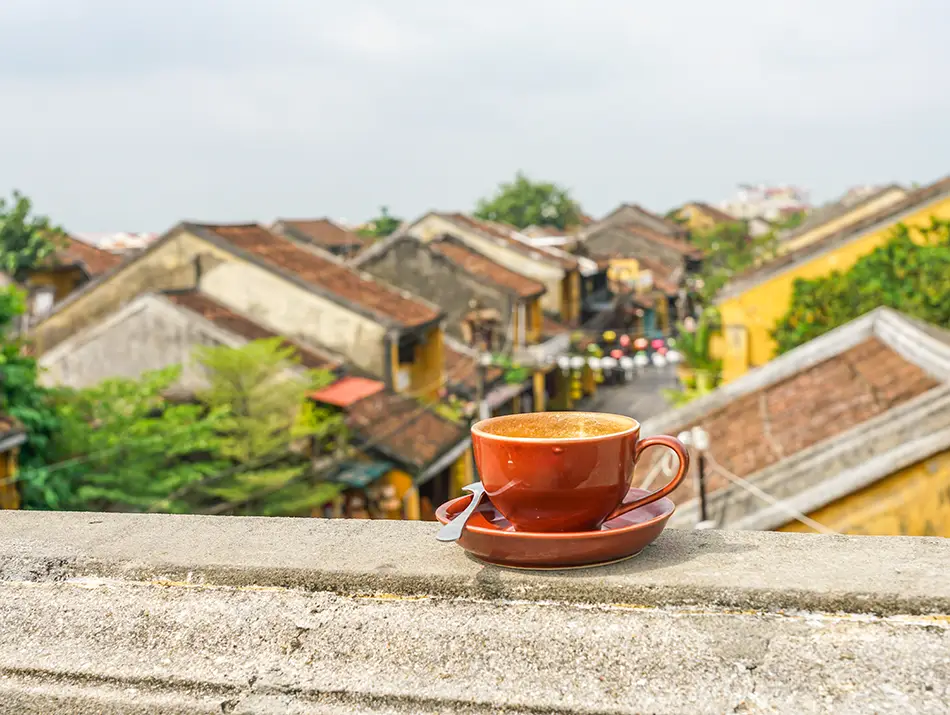
Beyond the excellent Vietnamese coffee, Hoi An has a few special drinks. The most famous is Nuoc Mot, a refreshing and aromatic herbal tea sold from a photogenic street stall in the Ancient Town. It is a lightly sweet herbal drink made from ingredients such as lemongrass, ginger, dried lotus leaf, and local medicinal herbs. It’s the perfect antidote to a hot day of sightseeing.
Where to Find the Best Restaurants in Hoi An
Hoi An’s food scene is spread across several distinct areas. The Ancient Town is filled with atmospheric restaurants offering beautifully presented local specialties, though they tend to be more tourist-oriented and pricier. For authentic and cheap eats, head to the Hoi An Central Market, where food stalls serve up fresh and delicious local dishes.
The streets just outside the main pedestrian zone, particularly around the Thai Phien and Tran Cao Van area, are where you’ll find more eateries frequented by locals.
For a different vibe, the restaurants at An Bang Beach specialize in fresh seafood with a relaxed, toes-in-the-sand setting.
>> For a deeper dive into Vietnam’s incredible dishes, check out our guide to the best food to try in Vietnam.
Nightlife in Hoi An: What to Do After Dark
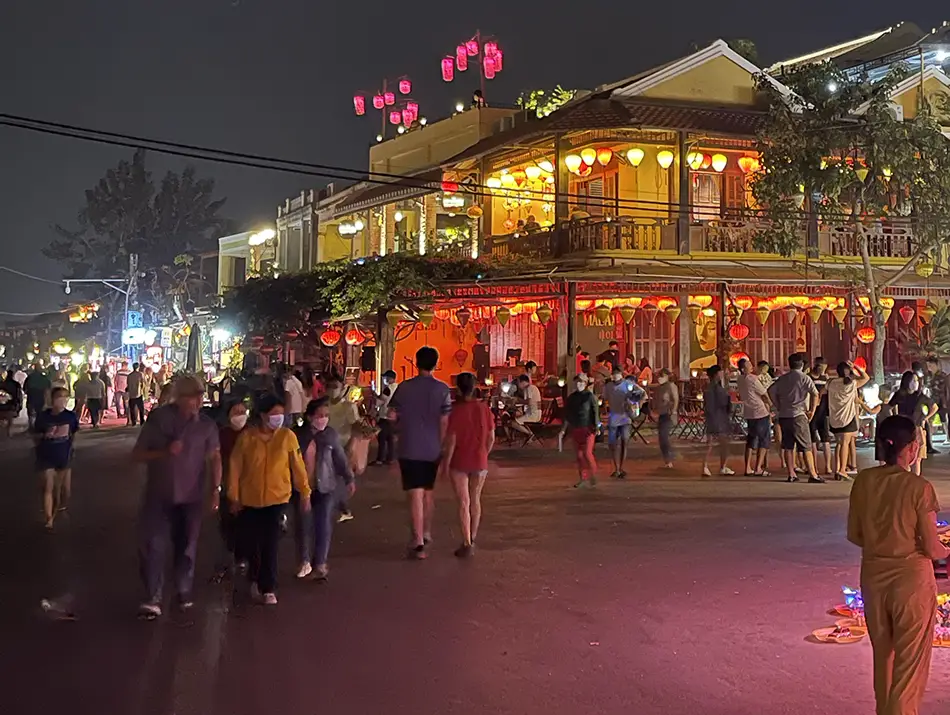
The nightlife in Hoi An is more about atmosphere than all-night parties. As dusk falls, the Ancient Town shifts into a lantern-lit scene, with silk lanterns glowing along the streets and river. Evenings are typically spent strolling the pedestrianized lanes, taking a sampan boat ride on the Hoai River to release a floating candle for good luck, or browsing the lively night market on An Hoi Islet.
While Hoi An is not a major party destination, it does offer a compact and easy-to-navigate bar scene. Several relaxed bars and pubs line the same stretch near the river and on An Hoi Islet, including venues with live music, craft beer, and even an 📍Irish-style pub. Backpacker-focused spots such as 📍Tiger Tiger bring a louder, late-night energy, all clustered along one street, which makes moving between places simple.
Hoi An on a Budget
Hoi An is very accommodating for budget travelers. One of the best saving tips is to purchase the Ancient Town entrance ticket (120,000 VND ≈ $4.70 / €4.40). It grants access to any five of the town’s 20 designated heritage sites, offering better value than paying for individual entries if you plan to visit more than one or two attractions.
Eating like a local at the Central Market or at street food stalls will significantly cut your food costs. Renting a bicycle for about 30,000 VND ($1.20 / €1.10) a day is the most economical way to explore the areas outside the walking zone.
There are also many free experiences, such as wandering the picturesque streets, relaxing at An Bang Beach, watching local life along the river, and admiring the lanterns after dark.
Sustainable and Responsible Travel Tips

Hoi An is currently struggling with severe over-tourism, generating tons of waste daily—much of which is plastic. To prevent “heritage bleeding” and ecological collapse, travelers must move beyond passive sightseeing and take active steps to mitigate their impact on this fragile UNESCO site.
- Support Deaf and Speech-Impaired Artisans at Reaching Out Teahouse: This “silent” teahouse is a tranquil sanctuary in the heart of the busy Old Town. By enjoying a traditional tea service here, you support a social enterprise that provides training and fair employment for people with disabilities, allowing them to showcase their incredible craftsmanship and hospitality.
- Volunteer or Visit at 📍Jack’s Cat Cafe: This is a rescue center dedicated to ending the cat meat trade in Vietnam. By visiting or donating, you support their medical care and rehoming efforts for abandoned animals, providing a compassionate alternative to the lack of animal welfare services in the region.
- Bypass the Plastic Bottled Water Loop: Hoi An’s waste management systems are often overwhelmed by the influx of millions of visitors. Do not buy single-use plastic bottles. Instead, use the RefillMyBottle or mymizu apps to find local businesses and “Plastic Smart” hubs that provide filtered water stations.
- Use Low-Impact Transport: Avoid using fuel-powered taxis for short trips. Use the HoiAnGO electric shuttle app or rent a bicycle to navigate the city. This reduces the carbon emissions and vibration damage that threaten the structural integrity of the centuries-old wooden buildings in the Old Quarter.
Critical Activities to Avoid
- Floating Lanterns with Plastic or Metal Frames: Most lanterns released on the river contain non-biodegradable components that sink and pollute the riverbed. If you participate, ensure the lantern is made strictly of paper and bamboo, and only release it in areas where official collection teams are active.
- Soliciting Exploitative “Heritage” Shops: Many ancient houses have been emptied of their residents and turned into high-turnover retail shops. Avoid supporting “ghost houses” that have no local families living in them. Instead, visit and tip at houses where the traditional “living heritage” is still maintained by the original owners.
- Corrosive “Selfie” Tourism: Do not touch the walls, carvings, or “Long San” stone floors inside heritage buildings. The sweat and oils from thousands of hands daily cause irreversible chemical degradation to the ancient materials.
Know Before You Go
Local Tips
Bargaining is expected at markets and with street vendors, but always do so with a smile. For tailor shops, don’t be pressured into a quick decision. Shop around and check reviews.
The Ancient Town ticket is rarely checked for simply walking through, but you will need it to enter any of the designated temples, museums, or old houses.
Accessibility
Accessibility in Hoi An can be challenging for travelers with mobility issues. The streets of the Ancient Town are ancient, with uneven cobblestones and high curbs that make wheelchair access difficult.
Many of the old houses and temples have narrow doorways and steps. While ground-floor restaurants and shops are accessible, navigating the town requires careful planning. The surrounding countryside and beaches are generally flatter and more manageable.
Family with Kids Tips
Hoi An is a wonderful destination for families. Family-friendly activities in Hoi An include lantern-making workshops, where children can create their own souvenirs. A boat ride on the river or a trip in a basket boat through the coconut groves are also engaging experiences.
The beaches provide a great place for kids to play, and the pedestrian-friendly Ancient Town is safe for walking. Many restaurants are accommodating to children, and the variety of food ensures there’s something for even picky eaters.
Without the Hype: Is Hoi An Worth Visiting?
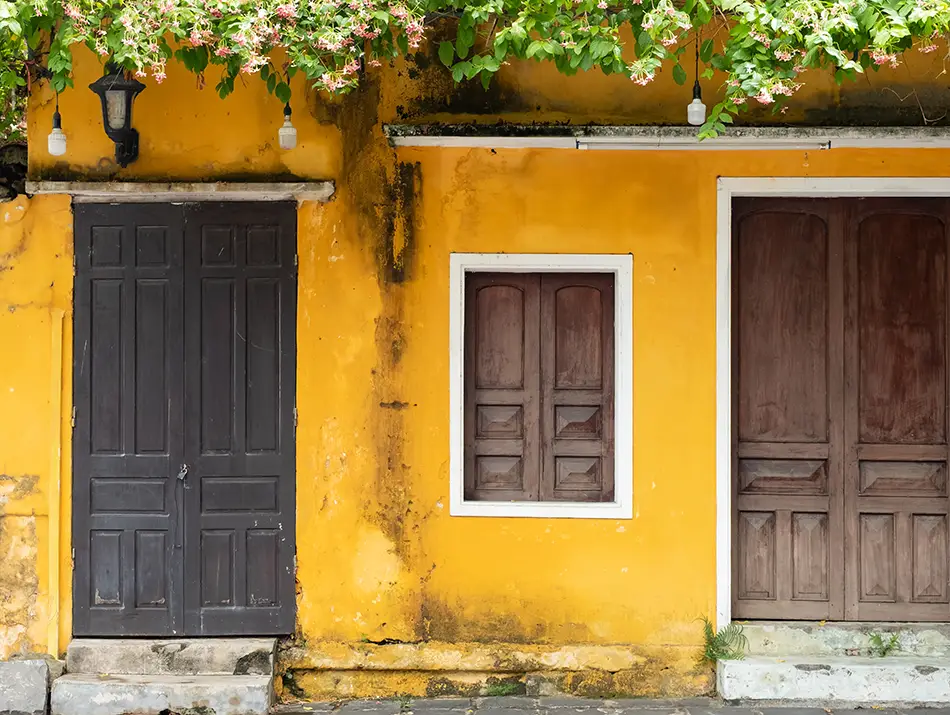
Hoi An is an undeniably beautiful and atmospheric town, but its popularity means it is no longer an undiscovered gem. The charm is real, yet it exists alongside dense crowds and a highly commercialized tourist experience.
It is a town that expertly caters to visitors, which is both a convenience and a drawback.
You’ll Like Hoi An if:
- You are a photographer or history enthusiast who loves well-preserved architecture.
- You enjoy slow-paced travel, food tours, and hands-on cultural activities like cooking or craft classes.
- You are looking for a romantic, picturesque setting.
You Might Skip it if:
- You have a strong aversion to crowds and tourist-heavy environments.
- You are seeking authentic, off-the-beaten-path travel experiences.
- You prefer a vibrant party scene or vast, untouched natural landscapes.
Good Alternatives:
- Hue: For a deeper dive into Vietnam’s imperial history with fewer crowds.
- Da Nang: For a modern city experience with excellent beaches and a thriving food scene.
For travelers comparing destinations, our guide to the best places to visit in Vietnam offers a broader look at how Hoi An fits into a wider itinerary.
We hope this guide to the best things to do in Hoi An helps you decide whether this town fits your travel style and expectations. For more inspiration, explore the full collection of Vietnam travel guides. Wishing you smooth planning and a rewarding trip.