


Vietnamese cuisine is famous for its balance, freshness, and bold flavors — but beyond pho and banh mi lies a food culture that can feel genuinely extreme to outsiders. Across the country, dishes built from raw blood, fermented seafood, insects, offal, and foraged ingredients are not designed to shock. They exist because Vietnamese cooking has long been shaped by necessity, seasonality, and a deep respect for using every edible part of an animal. At the heart of what many consider weird food in Vietnam is a no-waste philosophy.
From nose-to-tail pork dishes to fermented sauces made from the smallest catch, Vietnamese food culture values resourcefulness over refinement. What may appear “weird” to visitors is often practical, nutritious, and deeply local — food born from rural life, farming cycles, and communal eating traditions rather than novelty.
These dishes also change !dramatically by region. The north leans toward fermented flavors, offal, and foraged foods tied to cooler climates and mountain cultures. Central Vietnam reflects coastal abundance and raw seafood traditions. The south favors richer, protein-forward dishes shaped by river life and tropical agriculture. Understanding where a dish comes from is often the key to understanding why it exists at all.
What follows is not a dare list, but a guide to Vietnam’s most unusual foods — dishes locals eat with familiarity and pride, and travelers encounter at the edges of their comfort zone.
>> For classic flavors, explore our list of 35 traditional dishes to try in Vietnam.
Viewer Notice
This article contains images of unusual foods that some readers may find sensitive.

1. Raw blood — Tiết canh
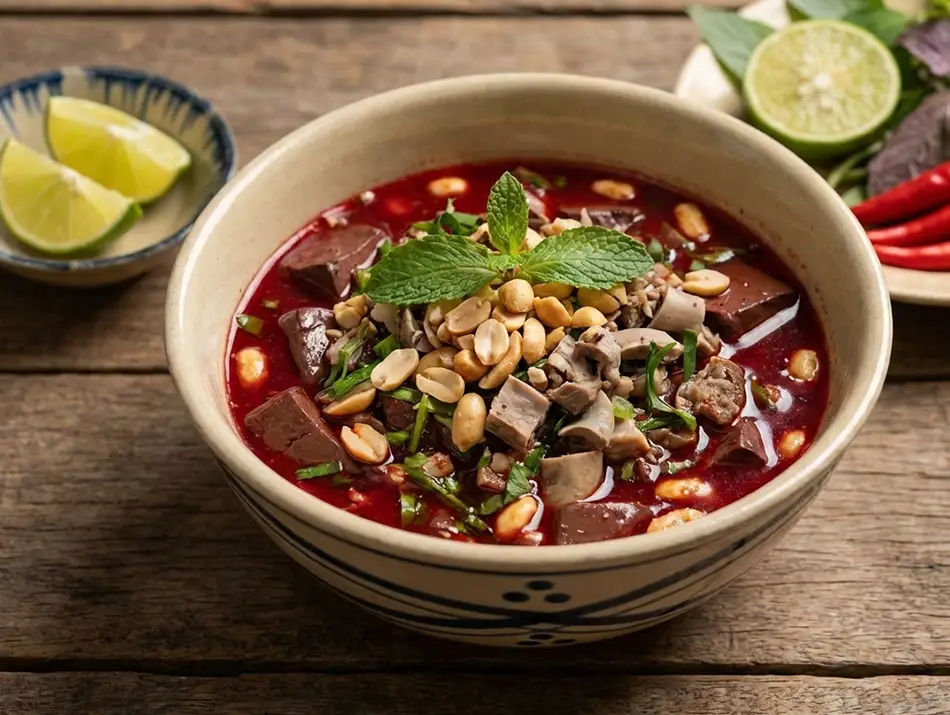
🏆The Absolute King of Weird Food in Vietnam.
Tiet canh is one of Vietnam’s most confronting traditional dishes (#49 worlds worst dishes): raw duck or pig blood mixed with fish sauce, herbs, and crushed peanuts, then left to set into a jelly-like dish. It is typically served at celebrations or countryside gatherings and eaten with fresh herbs and rice wine.
While increasingly rare in cities due to health concerns, it remains a symbol of old-school rural food culture and communal feasting.
Where to look: Northern Vietnam, especially rural areas around Hanoi and Red River Delta villages.
2. Offal porridge — Cháo lòng
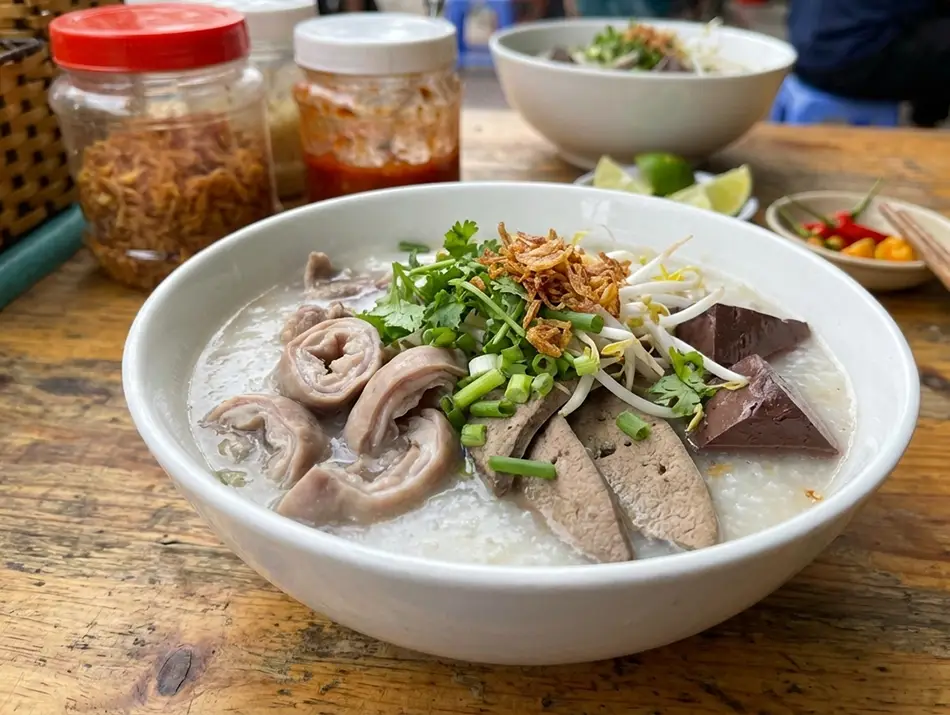
Chao long is a hearty rice porridge loaded with sliced pig intestines, liver, heart, and cubes of congealed blood. The broth is savory and comforting, balancing the intensity of the offal with pepper, herbs, and chili.
For many Vietnamese, this is everyday breakfast food rather than a dare, reflecting a strong nose-to-tail cooking tradition.
Where to look: Northern Vietnam, particularly Hanoi, with variations across the country.
3. Fermented shrimp — Mắm tôm
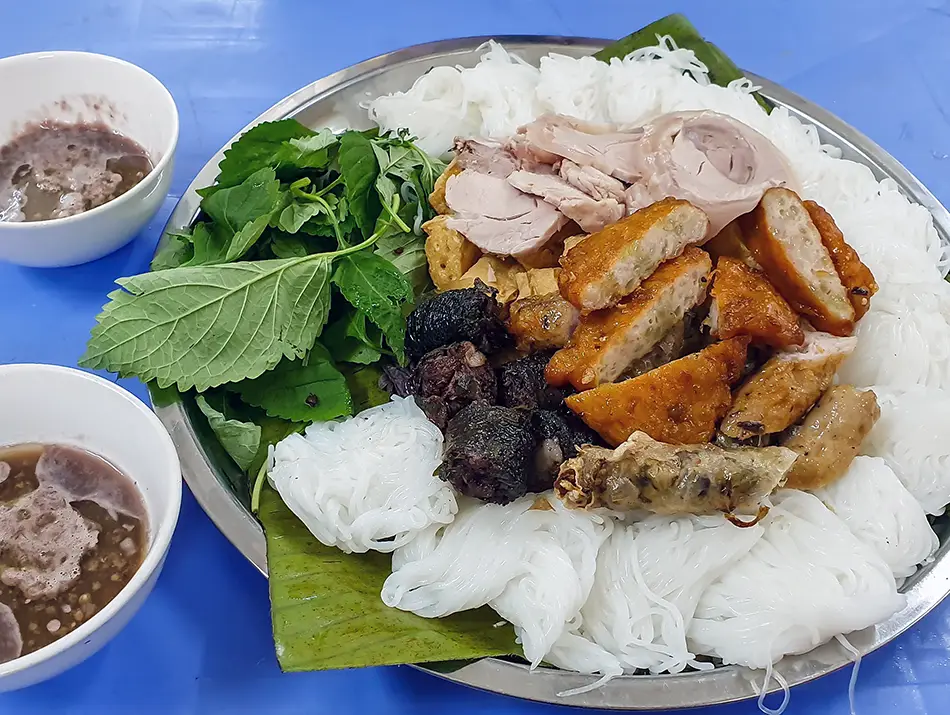
Mam tom is a thick, fermented shrimp paste infamous for its aggressive smell and beloved for its deep umami flavor. Mixed with lime, sugar, chili, and hot oil, it becomes a complex dipping sauce rather than something eaten on its own. For locals, it’s essential. For visitors, it’s often the biggest sensory hurdle in Vietnamese cuisine.
Where to look: (Fact Check) Nationwide, commonly served with bun dau mam tom.
4. Fertilized egg — Trứng vịt lộn
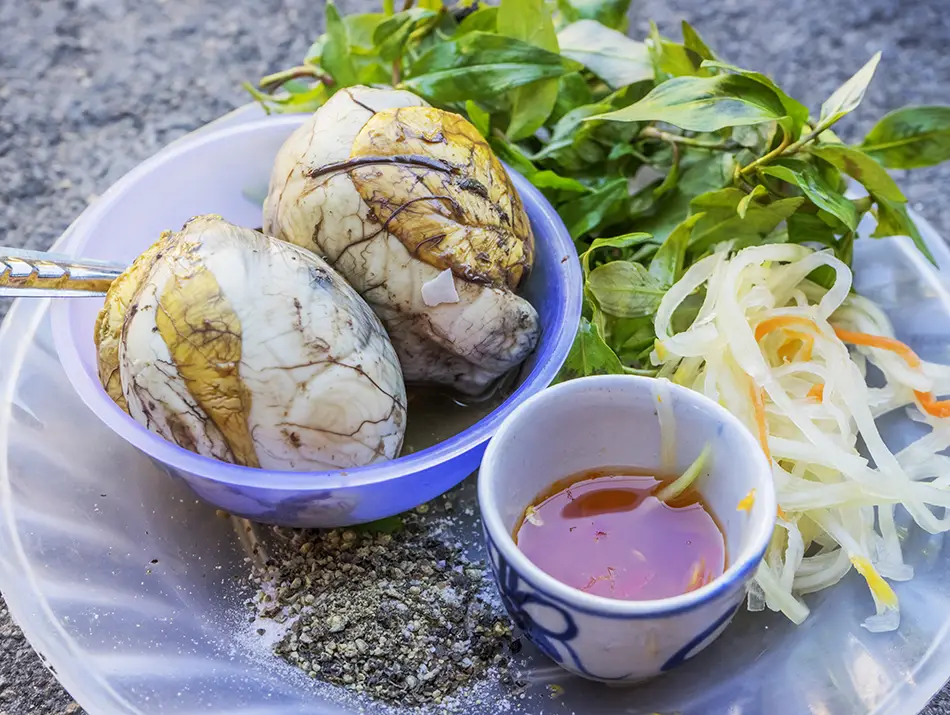
🏆Most loved unusual food among travelers.
Trung vit lon is a fertilized duck egg incubated just long enough for the embryo to partially develop, then boiled and eaten straight from the shell. Inside, you’ll find rich broth, yolk, and recognizable textures that make this dish unforgettable for first-timers. Locals prize it as a nourishing snack, often eaten at night with salt, lime, and Vietnamese coriander.
Where to look: Nationwide, commonly sold by street vendors in Hanoi, Ho Chi Minh City, and central Vietnam.
>> For less extreme options, explore our Vietnamese street food guide.
5. Raw fish — Gỏi cá trích

Goi ca trich is a raw herring salad made with ultra-fresh fish sliced thin and dressed with lime, chili, and aromatic herbs. It’s eaten by wrapping everything in rice paper with greens, turning raw fish into something light and refreshing.
The dish highlights Vietnam’s confidence in freshness and balance.
Where to look: Central coastal regions and Phu Quoc Island.
6. Palm larvae — Đuông dừa
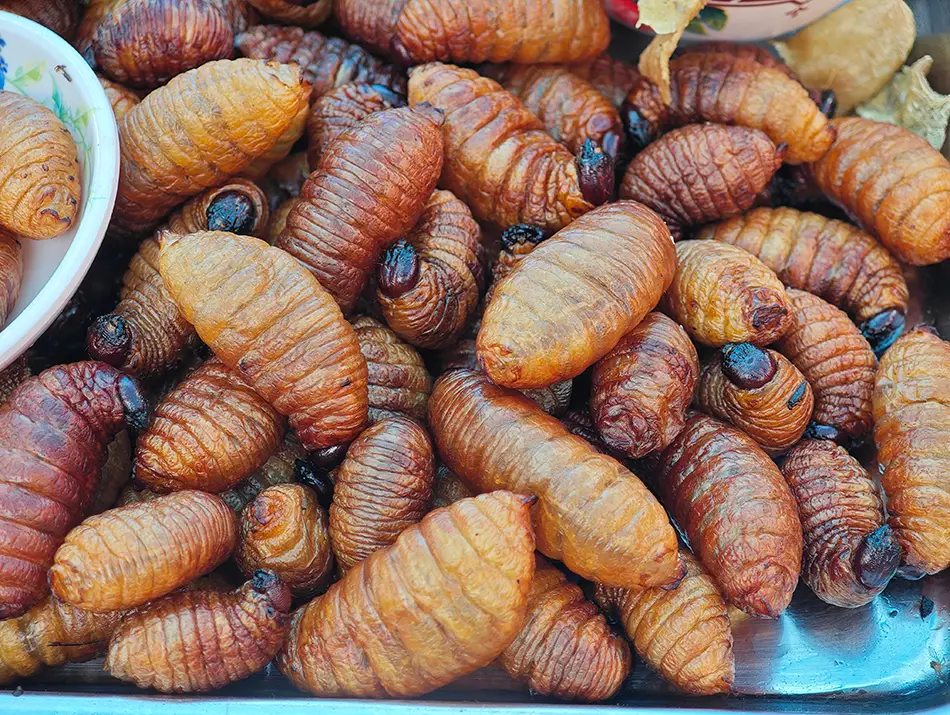
Duong dua are fat, cream-colored palm weevil larvae considered a luxury snack in parts of Vietnam. They’re eaten raw, fried, or briefly dipped in fish sauce, with a texture that’s soft, rich, and intense.
For locals, they’re prized for their richness. For outsiders, they’re often the ultimate mental challenge.
Where to look: Southern Vietnam, especially the Mekong Delta.
7. Ant eggs — Xôi trứng kiến
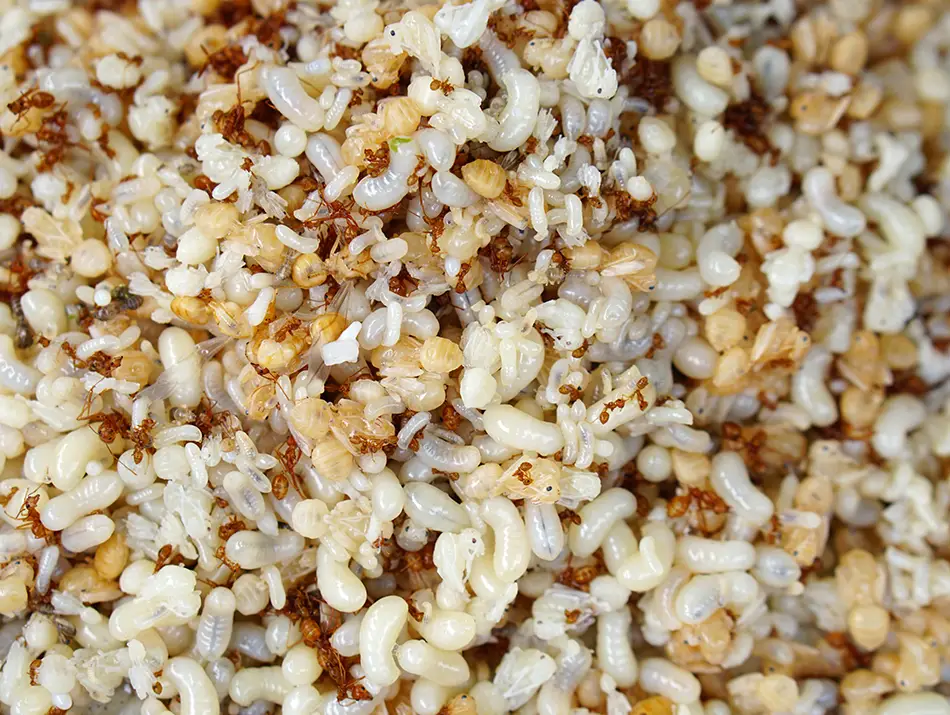
Xoi trung kien combines sticky rice with ant eggs harvested seasonally from forest nests. The eggs are lightly sautéed with shallots and herbs, adding subtle crunch and richness. The dish is closely tied to ethnic minority cuisines and seasonal foraging traditions.
Where to look: Northern mountainous regions such as Ha Giang, Cao Bang, and Bac Kan.
8. Field rat — Chuột đồng
Field rat refers to rice-fed rodents caught in paddies after harvest, carefully cleaned, and grilled or stir-fried. The meat tastes similar to chicken or rabbit, with a slightly gamey edge.
While alarming to visitors, it’s a practical rural protein with deep agricultural roots.
Where to look: Mekong Delta and rural southern provinces.
9. Silkworm pupae — Nhộng tằm chiên
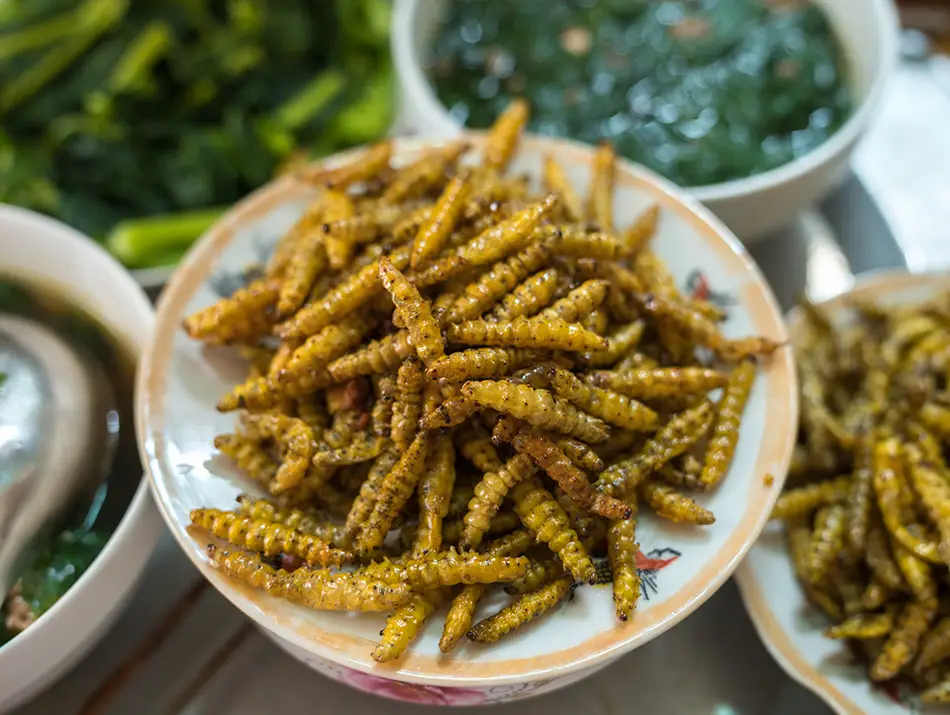
Fried silkworm pupae are a popular street snack with a crunchy exterior and a soft, oily center. Seasoned simply with salt, herbs, or chili, they deliver a nutty, savory flavor. High in protein and widely eaten, they’re everyday food rather than novelty.
Where to look: Northern Vietnam, particularly Hanoi and surrounding provinces.
10. Frog meat — Ếch
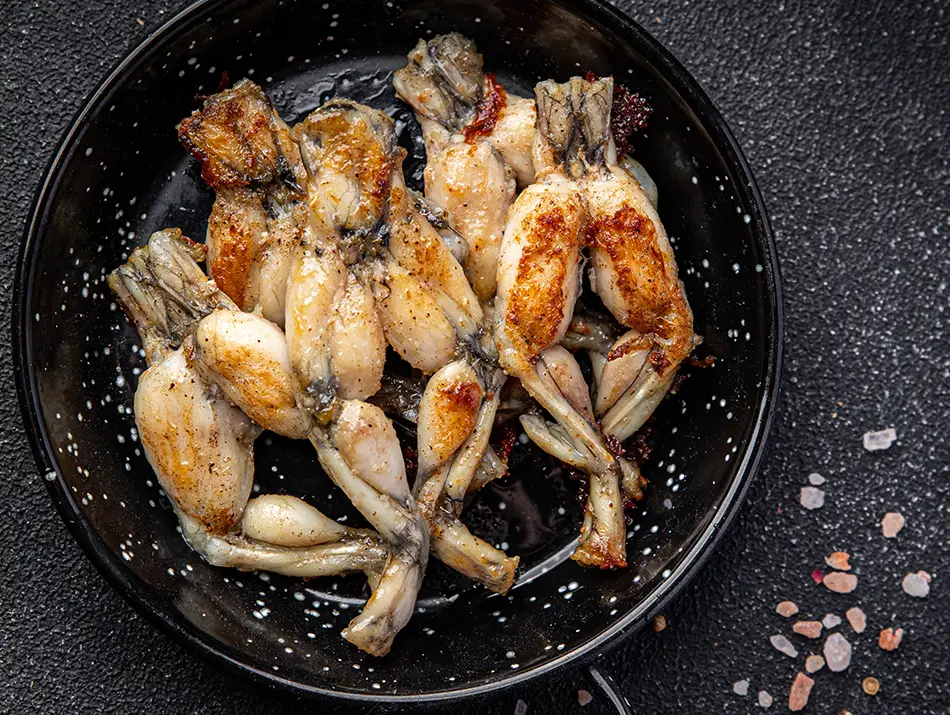
People across Vietnam eat frog meat and cook it in stir-fries, deep-fried dishes, and clay-pot stews. The meat is firm, mildly sweet, and absorbs spices well, making it far more approachable in flavor than many expect. It’s often the gateway dish for hesitant eaters.
Where to look: Nationwide, especially common in southern Vietnam and the Mekong Delta.
Weird Vietnamese Food Q&A
FAQ: Strange Food In Vietnam
There is no single answer, but dishes like tiet canh (raw blood pudding), trung vit lon (fertilized duck egg), and duong dua (palm weevil larvae) are often considered the weirdest food in Vietnam by first-time visitors. What feels extreme usually depends more on cultural background than on the food itself.
Yes, fertilized duck egg is safe to eat when bought from reputable vendors and eaten freshly cooked. It is widely consumed across Vietnam and considered a nutritious snack. As with any street food, choosing busy stalls with high turnover helps reduce risk.
Yes, insects are part of traditional food culture in some regions of Vietnam. Dishes like fried silkworm pupae, crickets, grasshoppers, and ant egg sticky rice are eaten for protein and flavor, not as novelty foods.
What seems weird to outsiders is usually normal in Vietnam. These foods come from a no-waste food culture, local availability, and long traditions of using fermentation, offal, and insects as practical, nutritious ingredients.
What Weird Food in Vietnam Really Says About Its Culture
Strange Vietnamese dishes are rarely about extremes for the sake of extremes. More often, they reflect a food culture built on adaptability, regional identity, and respect for ingredients that other cuisines overlook. What surprises travelers is usually what locals consider normal — everyday food shaped by geography, climate, and generations of practical knowledge.
Approaching these dishes with curiosity rather than judgment reveals a different side of Vietnamese cuisine, one that values resourcefulness over presentation and tradition over trends. Whether you choose to try one dish or simply understand why it exists, exploring weird food in Vietnam offers insight into how deeply food and culture are connected — far beyond what appears on tourist menus.
To explore how these traditions fit into real places and daily life, see our Vietnam travel guides, where food, regions, and local context come together.